


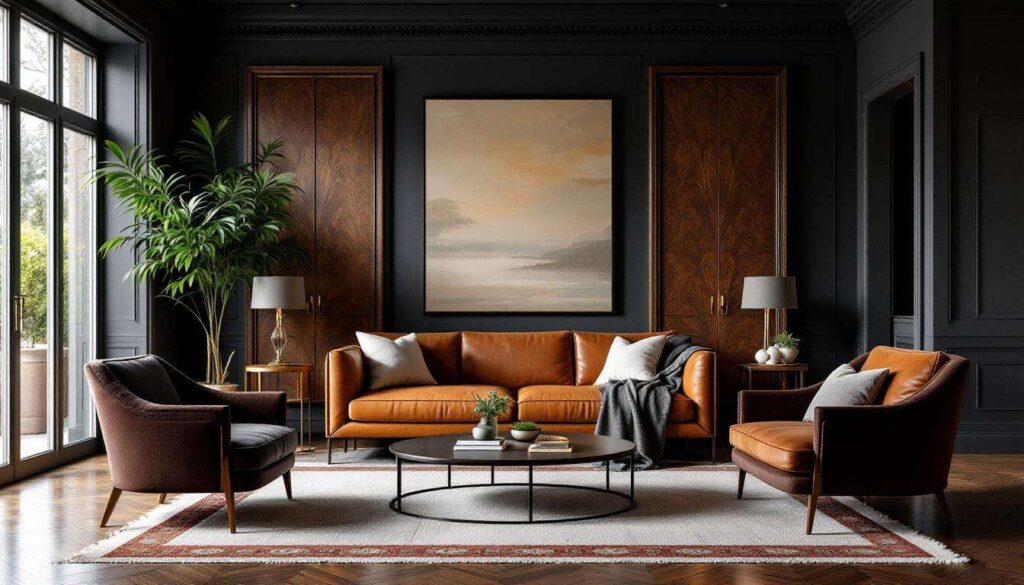
British homes are witnessing a dramatic shift in aesthetic preferences as designers and homeowners alike embrace the richness and depth of dark wood furniture. After years of minimalist Scandinavian interiors dominating the design landscape, a new movement celebrates the warmth, character and heritage that darker timber brings to contemporary spaces. This resurgence reflects not only changing tastes but also a deeper appreciation for craftsmanship, longevity and the emotional connection that substantial furniture pieces can create within our living environments.
The evolution of interior design in the United Kingdom
The Scandinavian dominance of the past decade
The Scandi aesthetic swept through British homes with remarkable force, championing pale woods, white walls and minimalist principles. This movement, which peaked during the 2010s, promised simplicity and functionality whilst creating bright, airy spaces that appealed to urban dwellers in particular. The style’s popularity was fuelled by affordable furniture retailers and countless interior design magazines promoting the virtues of decluttered, light-filled rooms.
However, the ubiquity of this approach eventually led to a sense of homogeneity. Many homeowners began to feel their spaces lacked personality and warmth, prompting a search for alternatives that could offer greater visual interest and emotional resonance.
The shift towards maximalism and richness
Current trends reveal a decisive move towards layered interiors that embrace colour, texture and depth. Designers are increasingly incorporating:
- Bold wallpapers with intricate patterns
- Velvet and rich textile furnishings
- Statement lighting fixtures
- Curated collections of art and objects
- Darker, more substantial furniture pieces
This evolution represents a rejection of the one-size-fits-all approach and a celebration of individuality in home design. The pendulum has swung from sparse minimalism towards spaces that tell stories and reflect the inhabitants’ personalities and histories.
As tastes have matured, the question of what preceded this minimalist phase has become increasingly relevant, leading many to rediscover the enduring appeal of traditional materials.
The historical roots of dark wood furniture
British craftsmanship traditions
Dark wood furniture holds a distinguished place in British design history, with oak, walnut and mahogany forming the backbone of furniture-making for centuries. From Tudor oak chests to Georgian mahogany dining tables, these materials have been synonymous with quality, durability and status. The rich patina that develops on dark woods over time creates a living history within each piece, connecting contemporary homes to centuries of craftsmanship tradition.
Victorian and Edwardian eras particularly celebrated the depth and gravitas that dark timber brought to interiors. These pieces were built to last generations, embodying values of permanence and substance that contrast sharply with modern disposable culture.
The cultural significance of substantial furniture
Beyond mere functionality, dark wood furniture has always carried cultural weight in British homes. Inherited pieces often become family heirlooms, carrying memories and stories across generations. This emotional dimension adds layers of meaning that mass-produced, lightweight alternatives simply cannot replicate.
| Wood Type | Traditional Use | Characteristic |
|---|---|---|
| Oak | Structural furniture, panelling | Strength and longevity |
| Walnut | Fine cabinetry, veneers | Rich grain patterns |
| Mahogany | Formal dining furniture | Deep reddish tones |
| Rosewood | Luxury pieces, inlays | Distinctive fragrance |
Understanding why the lighter Scandinavian approach gained such traction requires examining the specific factors that made it appealing and what has subsequently undermined its dominance.
The reasons behind the decline of the Scandi style
The saturation point of minimalism
The ubiquity of Scandinavian design ultimately became its downfall. When every home, café and office space adopts the same aesthetic vocabulary, the style loses its distinctiveness and appeal. Homeowners increasingly report feeling that their spaces lack character and fail to reflect their individual tastes and experiences.
Furthermore, the practical limitations of pale furniture have become apparent, particularly for families with children or pets. Light-coloured woods and white upholstery require constant maintenance and show wear far more readily than their darker counterparts.
The emotional coldness critique
Critics of the Scandi aesthetic argue that its emphasis on restraint and neutrality can create spaces that feel emotionally sterile. The following concerns have emerged:
- Lack of warmth and cosiness, particularly in British climates
- Insufficient visual interest and stimulation
- Difficulty in creating intimate, enveloping atmospheres
- Limited scope for personal expression
- Incompatibility with older British housing stock
Dark wood furniture, by contrast, offers an immediate sense of grounding and permanence that many find comforting and reassuring. The weight and substance of these pieces create anchor points within rooms, around which other design elements can be arranged.
The influence of period properties
Many British homes are period properties with architectural features that sit uncomfortably with minimalist Scandinavian furniture. Original fireplaces, cornicing, picture rails and sash windows often look incongruous when paired with pale, lightweight pieces. Dark wood furniture, however, complements these traditional elements naturally, creating cohesive interiors that respect the building’s heritage whilst remaining functional for contemporary living.
Beyond aesthetics, the environmental credentials of furniture choices have become increasingly important to conscious consumers seeking sustainable options.
The ecological impact and sustainability of dark wood
The longevity argument
Dark wood furniture typically represents a more sustainable choice than fast-furniture alternatives. Quality pieces constructed from solid timber can last for centuries with proper care, whereas mass-produced items often require replacement within years. This durability significantly reduces the environmental impact over the furniture’s lifetime, despite potentially higher initial resource use.
The ability to restore, refinish and repair dark wood furniture further extends its useful life. Scratches and marks can often be addressed through professional restoration, allowing pieces to be passed down through generations rather than discarded.
Responsible sourcing considerations
Modern consumers are rightfully concerned about the provenance of timber products. Reputable manufacturers and designers now prioritise:
- FSC (Forest Stewardship Council) certified timber
- Reclaimed and salvaged wood sources
- Native British hardwoods from managed forests
- Transparent supply chain documentation
- Local manufacturing to reduce transport emissions
The revival of dark wood furniture has coincided with increased awareness of these sustainability issues, with many designers specifically seeking out ethical sources and promoting the environmental benefits of investing in quality, long-lasting pieces rather than disposable alternatives.
The circular economy potential
Dark wood furniture thrives within circular economy models. Antique and vintage pieces can be purchased, restored and integrated into contemporary interiors, giving new life to existing resources. The robust second-hand market for quality dark wood furniture demonstrates its enduring value and desirability, contrasting sharply with flat-pack items that rarely survive a house move intact.
For those convinced of dark wood’s merits, the practical question becomes how to incorporate these pieces successfully into spaces designed for modern living.
How to integrate dark wood furniture into a modern interior
Balancing light and dark elements
The key to successfully incorporating dark wood furniture lies in achieving balance rather than creating oppressively heavy spaces. Strategic approaches include:
- Pairing dark furniture with lighter wall colours
- Ensuring adequate natural and artificial lighting
- Using mirrors to reflect light and create depth
- Incorporating metallic accents for brightness
- Balancing dark pieces with lighter textiles and accessories
Contemporary interiors featuring dark wood need not feel traditional or dated. The juxtaposition of substantial antique pieces with modern art, contemporary lighting and current colour palettes creates dynamic, layered spaces that feel both timeless and current.
Selective placement strategies
Rather than furnishing entire rooms with dark wood, many designers recommend statement pieces that anchor the space. A substantial dining table, an impressive bookcase or a characterful sideboard can provide visual weight and interest whilst allowing other elements to remain lighter and more varied.
| Room | Recommended Dark Wood Piece | Complementary Elements |
|---|---|---|
| Living Room | Coffee table or bookcase | Light upholstery, colourful cushions |
| Dining Room | Dining table and sideboard | Upholstered chairs, statement lighting |
| Bedroom | Bedframe or wardrobe | Light bedding, soft textiles |
| Home Office | Desk and shelving | Modern task lighting, minimal accessories |
Mixing styles and periods
The most successful contemporary interiors featuring dark wood embrace eclecticism, mixing periods, styles and materials with confidence. A Victorian mahogany table might be surrounded by mid-century modern chairs, whilst an Edwardian bookcase could display contemporary ceramics and art books. This approach creates visual interest and prevents spaces from feeling like museum recreations.
The resurgence of dark wood furniture has been championed by specific designers whose work has influenced broader trends and given homeowners permission to embrace richer, more substantial interiors.
The influential designers spearheading this revival
Contemporary voices in British design
Several prominent designers have been instrumental in rehabilitating dark wood’s reputation. Abigail Ahern has long advocated for darker, moodier interiors that embrace depth and drama. Her work demonstrates how dark furniture can create intimate, cocooning spaces that feel luxurious rather than oppressive.
Similarly, Matthew Williamson has incorporated rich woods into maximalist schemes that celebrate colour, pattern and texture. His approach shows how dark timber provides an excellent foundation for bold design choices, grounding exuberant elements whilst adding sophistication.
The role of heritage brands
Established British furniture makers have experienced renewed interest as consumers seek quality and authenticity. Companies with centuries of experience working with dark hardwoods are finding new audiences amongst younger buyers who appreciate traditional craftsmanship and the story behind each piece.
These manufacturers are adapting classic designs for contemporary living, creating pieces that honour traditional techniques whilst incorporating modern functionality. The result is furniture that bridges past and present, offering the substance and character of antiques with the convenience of new production.
Social media influence and visual culture
Instagram and Pinterest have played significant roles in popularising dark wood interiors. Hashtags celebrating dark academia, maximalism and eclectic interiors showcase spaces where rich timber features prominently. These platforms have helped normalise bolder design choices and demonstrated that dark furniture can work in various contexts, from period townhouses to modern apartments.
The visual nature of these platforms allows designers to share styling techniques and inspire confidence in homeowners considering darker, more substantial furniture choices.
The return of dark wood furniture represents more than a passing trend; it reflects fundamental shifts in how we value our living spaces and the objects within them. As sustainability concerns grow and the desire for individuality increases, the qualities that dark timber offers—durability, character, emotional warmth and connection to heritage—become increasingly relevant. The Scandinavian aesthetic served its purpose, offering respite from cluttered, heavy interiors, but the pendulum has swung towards a more balanced approach that embraces richness without sacrificing functionality. British designers are leading this movement, demonstrating that contemporary living and substantial, characterful furniture are entirely compatible. The homes emerging from this shift feel more personal, more rooted and ultimately more reflective of the complex, layered lives we actually lead.