



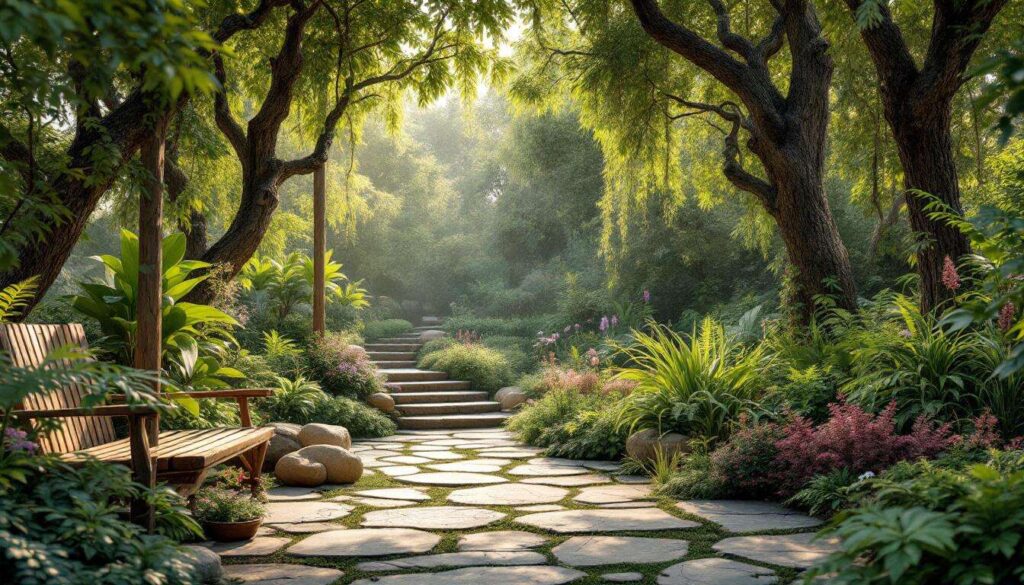
Garden design trends come and go, but few capture the zeitgeist quite like “earthcore”. This emerging aesthetic celebrates raw, unpolished natural beauty whilst championing sustainability and resourcefulness. Rather than relying on expensive nursery purchases or professional landscaping, earthcore embraces what already exists: native plants, reclaimed materials, and the inherent wildness of outdoor spaces. It’s a movement that rejects manicured perfection in favour of organic textures, earthy tones, and a deep connection to the land beneath our feet. For gardeners seeking authenticity without financial burden, this aesthetic offers a refreshing alternative to conventional garden design.
Understanding the “earthcore” style: origins and influences
The philosophical roots of earthcore design
Earthcore draws inspiration from ancient agricultural practices and indigenous land management techniques that prioritised harmony with natural ecosystems. Unlike highly stylised garden movements, this aesthetic emerged from a collective desire to reconnect with the earth in meaningful, tactile ways. The philosophy centres on observation rather than intervention, allowing landscapes to express their inherent character whilst humans act as gentle stewards rather than dominant architects.
The movement gained momentum through social media platforms where gardeners shared images of unrefined outdoor spaces featuring exposed soil, weathered wood, and spontaneous plant growth. This visual language resonated with those weary of pristine, resource-intensive gardens that demanded constant maintenance and significant financial investment.
Cultural influences shaping the aesthetic
Several cultural threads have woven together to create earthcore’s distinctive identity:
- Japanese wabi-sabi principles celebrating imperfection and transience
- Cottage garden traditions valuing self-seeding plants and informal layouts
- Permaculture ethics emphasising closed-loop systems and minimal waste
- Arts and crafts movement appreciation for handmade, natural materials
- Indigenous ecological knowledge respecting native flora and fauna
These influences combine to create gardens that feel simultaneously ancient and contemporary, rooted in tradition yet responsive to modern environmental concerns. The aesthetic rejects the notion that beauty requires expense, instead finding richness in texture, patina, and the passage of time.
This philosophical foundation naturally leads to considering what physical elements bring earthcore to life in practical garden spaces.
The essential elements of the “earthcore” aesthetic in your garden
Colour palette and textural components
The earthcore palette draws directly from geological and organic sources. Think terracotta, ochre, umber, slate grey, and moss green rather than bright, artificial hues. These colours appear in hardscaping materials, container choices, and plant selections. Texture plays an equally vital role, with rough stone, weathered timber, and unglazed ceramics providing tactile interest that invites interaction.
| Element | Earthcore characteristic | Conventional alternative |
|---|---|---|
| Pathways | Compacted earth, reclaimed brick | Concrete pavers, artificial stone |
| Boundaries | Dry stone walls, woven willow | Treated timber fencing, metal panels |
| Containers | Terracotta, salvaged metal | Plastic pots, glazed ceramics |
| Seating | Log rounds, stone slabs | Manufactured garden furniture |
Structural features and spatial organisation
Earthcore gardens favour informal arrangements that mirror natural landscapes rather than geometric precision. Paths meander rather than march in straight lines. Planting areas blend into one another without rigid borders. Vertical elements like rustic arbours or dead wood sculptures provide height without appearing contrived.
Key structural principles include:
- Visible soil as a design element rather than something to conceal
- Weathered materials showing age and use
- Functional items displayed openly rather than hidden
- Natural stone arranged to suggest geological formations
- Water features using simple vessels or ground-level pools
Understanding these elements provides the foundation for sourcing materials that align with earthcore values whilst respecting budget constraints.
How to create a sustainable environment with natural materials
Sourcing materials without financial outlay
Creating an earthcore garden requires resourcefulness rather than resources. Natural materials abound in unexpected places for those willing to look beyond retail outlets. Construction sites often discard broken bricks and stone offcuts. Woodland management operations produce logs and branches. Beaches and riverbanks offer smooth stones and driftwood. Agricultural areas may provide straw bales or wooden pallets.
Community networks prove invaluable for material acquisition. Online platforms dedicated to reuse and recycling connect people disposing of items with those seeking them. Garden clubs and allotment associations frequently organise plant swaps and material exchanges. Even neighbours undertaking renovations may welcome someone removing unwanted stone, timber, or soil.
Working with what exists on site
The most sustainable approach involves maximising existing resources before introducing anything new. Survey your garden thoroughly to identify:
- Native plants already established that can be encouraged
- Natural topographical features worth emphasising
- Existing materials that can be repurposed or repositioned
- Soil type and drainage patterns to work with rather than against
- Microclimates suitable for specific plant communities
Fallen branches become edging or supports. Excavated soil forms berms or fills containers. Prunings create habitat piles or woven structures. This approach not only eliminates costs but also reduces environmental impact by avoiding transportation and processing of new materials.
With materials identified and sourced, attention turns to the living elements that define earthcore planting schemes.
Must-have plants for an “earthcore” garden
Native species and self-sufficient perennials
Earthcore planting prioritises native species adapted to local conditions, requiring minimal intervention once established. These plants support indigenous wildlife whilst demonstrating resilience to regional climate patterns. Rather than purchasing specimens, earthcore gardeners propagate from cuttings, collect seeds from wild populations (where legally permitted), or accept divisions from fellow gardeners.
Ideal plant characteristics include:
- Tolerance of poor soil and irregular watering
- Self-seeding tendencies that create naturalistic drifts
- Structural interest throughout seasons, including winter
- Wildlife value for pollinators, birds, or beneficial insects
- Minimal susceptibility to pests and diseases
Cultivating wildness through selective management
The earthcore approach embraces controlled wildness rather than chaos. This means allowing certain “weeds” to flourish if they contribute aesthetically or ecologically. Nettles provide butterfly habitat. Dandelions offer early nectar. Clover fixes nitrogen whilst creating living mulch. The key lies in observing and selecting rather than automatically removing any uninvited plant.
| Plant type | Earthcore examples | Acquisition method |
|---|---|---|
| Structural perennials | Fennel, verbascum, teasel | Seed collection, self-seeding |
| Ground covers | Wild strawberry, thyme, violets | Division, rooted runners |
| Grasses | Native meadow species | Seed harvesting, natural spread |
| Shrubs | Hawthorn, elder, wild rose | Cuttings, hedgerow transplants |
Establishing these plant communities creates the foundation for a garden that becomes increasingly self-sustaining, naturally leading to strategies for enhancing existing spaces without expenditure.
Redecorating without spending: tips to transform your space
Reimagining existing features
Transformation begins with fresh perspective rather than new purchases. That concrete path becomes interesting when edges soften with creeping plants. Existing fencing gains character with climbing natives. Tired lawn areas convert to meadow through selective mowing regimes. The earthcore philosophy views every element as potential rather than fixed.
Simple interventions create significant impact:
- Removing sections of paving to expose soil for planting
- Repositioning stones or logs to create focal points
- Allowing moss and lichen to colonise hard surfaces
- Reducing mowing frequency to encourage biodiversity
- Removing unnecessary ornaments to emphasise natural elements
Utilising household discards creatively
Earthcore aesthetics accommodate repurposed household items when they align with natural materials. Broken terracotta pots become drainage crocks or decorative fragments. Old metal colanders serve as hanging planters. Chipped enamelware holds sedums. Worn baskets line planting holes to deter burrowing creatures. The key is ensuring repurposed items enhance rather than detract from the natural aesthetic through appropriate material choice and weathered appearance.
These cost-free transformations set the stage for more ambitious projects that maximise visual impact through hands-on creativity.
Maximising the visual impact of your “earthcore” garden with DIY solutions
Creating focal points from natural materials
Earthcore gardens benefit from deliberate focal points that draw the eye whilst maintaining naturalistic character. A carefully positioned boulder suggests ancient geology. Stacked logs create sculptural forms. Arranged stones form simple cairns or dry-stream beds. These features require only time and physical effort, transforming ordinary materials into compelling visual anchors.
Effective DIY focal point projects include:
- Dry stone pillars or low walls using collected rocks
- Log seating carved or arranged to invite contemplation
- Earth sculptures shaped from excavated soil
- Willow or hazel structures woven from pruned branches
- Sunken fire pits lined with salvaged brick or stone
Developing layered planting for depth and interest
Visual richness emerges from vertical layering that mimics natural plant communities. Tall structural perennials form the canopy layer. Mid-height plants fill the understory. Ground covers carpet the soil. This arrangement creates depth whilst maximising growing space. Achieving this costs nothing when using propagated, divided, or self-seeded plants arranged according to height and light requirements.
The interplay between hard landscaping and soft planting generates the textural complexity that defines earthcore aesthetics, proving that compelling garden design depends on vision and effort rather than financial investment.
The earthcore aesthetic demonstrates that meaningful garden design transcends budget constraints. By prioritising native plants, natural materials, and sustainable practices, gardeners create spaces rich in texture, ecological value, and authentic beauty. This approach requires observation, creativity, and willingness to work with existing conditions rather than against them. Whether sourcing materials from local landscapes, propagating plants from cuttings, or reimagining existing features, earthcore principles prove that the most compelling gardens emerge from connection with place rather than consumption. The result is outdoor spaces that feel both timeless and contemporary, grounded in environmental responsibility whilst offering profound aesthetic satisfaction.