


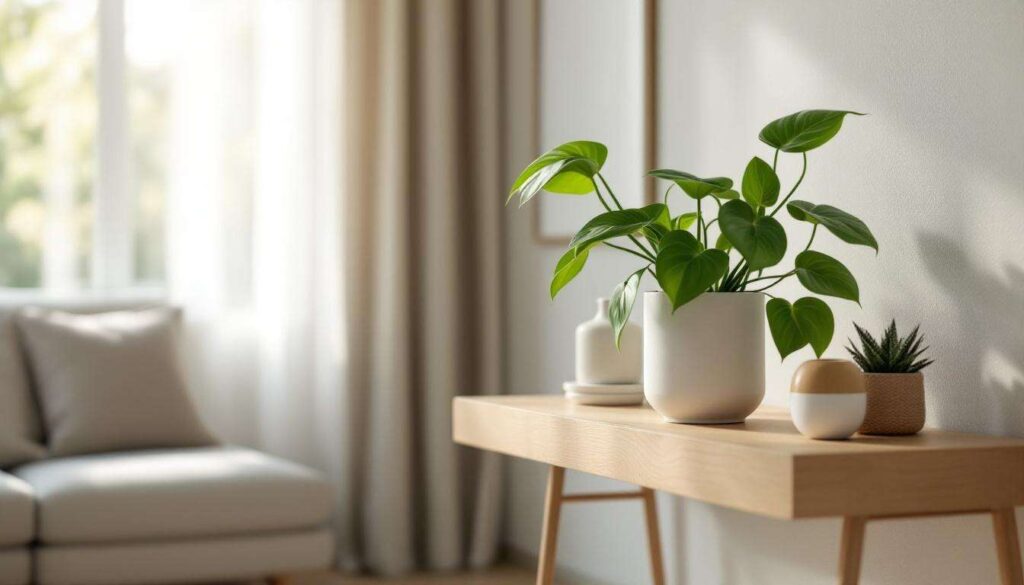
The pothos, with its cascading vines and heart-shaped leaves, has become a staple in homes worldwide, valued not only for its aesthetic appeal but also for its significance in Feng Shui practice. This ancient Chinese art of spatial arrangement emphasises the flow of energy, known as Chi, throughout living spaces to promote balance, prosperity and wellbeing. When strategically positioned, the pothos can serve as a powerful tool for enhancing the energetic quality of your home whilst simultaneously purifying the air and adding natural beauty to any room.
Understanding the role of the pothos in feng shui
The symbolic significance of pothos in eastern philosophy
The pothos, scientifically known as Epipremnum aureum, carries profound symbolism within Feng Shui traditions. Its rounded, coin-shaped leaves represent wealth and financial abundance, earning it the nickname “money plant” in various cultures. The plant’s vigorous growth pattern symbolises vitality and continuous expansion, qualities highly prized in Feng Shui practice. Unlike plants with sharp or pointed leaves that can create cutting energy, the pothos features soft, flowing foliage that generates gentle, nurturing Chi throughout a space.
How pothos influences the five elements
Within the Feng Shui framework, the pothos primarily represents the wood element, one of the five fundamental elements that govern energy flow. The wood element corresponds to growth, renewal and vitality, making the pothos an ideal choice for areas where you wish to cultivate these qualities. The plant’s connection to this element means it can:
- Support family relationships and personal development
- Enhance creativity and flexibility in thinking
- Promote upward and outward energy movement
- Balance spaces dominated by metal or earth elements
The relationship between the pothos and energy flow extends beyond mere symbolism, as the plant’s natural characteristics align perfectly with Feng Shui principles of creating harmonious environments.
The benefits of pothos on energy and wellbeing
Air purification and environmental health
Research has demonstrated that pothos plants possess remarkable air-purifying capabilities, removing toxins such as formaldehyde, benzene and carbon monoxide from indoor environments. This scientific benefit complements the Feng Shui belief that clean air facilitates better Chi circulation. The plant’s ability to thrive in low-light conditions and tolerate irregular watering makes it particularly suitable for maintaining consistent positive energy, as a healthy plant contributes more effectively to spatial harmony than one requiring constant attention.
Psychological and emotional impacts
The presence of pothos in living spaces offers measurable psychological benefits that align with Feng Shui objectives:
| Benefit | Impact on Wellbeing |
|---|---|
| Stress reduction | Lowers cortisol levels and promotes relaxation |
| Enhanced focus | Improves concentration and productivity by 15% |
| Mood elevation | Increases positive emotions and reduces anxiety |
| Connection to nature | Satisfies biophilic needs in urban environments |
These tangible benefits demonstrate how the pothos serves as more than decorative greenery, functioning as an active contributor to household harmony and individual wellbeing. Understanding where to position this powerful plant becomes essential for maximising its energetic potential.
Ideal locations for pothos according to feng shui
The wealth and prosperity corner
In Feng Shui practice, the southeast corner of your home or individual rooms represents the wealth and abundance sector. Placing a pothos in this location activates the money-attracting properties associated with its coin-shaped leaves. The plant’s upward-growing nature symbolises rising fortunes and expanding opportunities. For optimal results, ensure the pothos remains healthy and vibrant, as wilting or dying plants can reverse the intended energetic benefits and potentially block prosperity.
Eastern placement for family harmony
The eastern direction governs family relationships and health within the Feng Shui bagua map. Positioning pothos plants in eastern areas of your home nourishes the wood element naturally associated with this sector, thereby strengthening family bonds and promoting physical wellbeing. This placement proves particularly beneficial in:
- Living rooms where family members gather
- Dining areas that host shared meals
- Hallways connecting different family spaces
- Children’s rooms to support their growth and development
Strategic placement near entrances
Positioning a pothos near your main entrance serves multiple Feng Shui purposes. The plant acts as a welcoming presence that invites positive Chi into your home whilst simultaneously filtering any negative energy attempting to enter. The flowing vines can soften sharp architectural angles often found near doorways, creating a more harmonious transition between exterior and interior spaces. Avoid placing the plant directly in line with the door, as this can obstruct energy flow rather than enhance it.
Workspace and study areas
Home offices and study spaces benefit tremendously from pothos placement, as the plant enhances mental clarity and creative thinking. Position the pothos where it can be easily viewed from your desk, preferably to your left side, which represents the dragon position in Feng Shui and symbolises support and growth. The plant’s presence helps counteract the electromagnetic fields generated by electronic devices, creating a more balanced energetic environment conducive to focused work and learning.
Once you’ve identified the ideal locations for your pothos plants, implementing additional strategies can further amplify their harmonising effects throughout your home.
Tips for optimising harmony at home with pothos
Proper care for sustained positive energy
A thriving pothos generates stronger positive energy than a neglected one. Consistent care practices ensure your plant continues to enhance your home’s Feng Shui:
- Water when the top inch of soil feels dry to the touch
- Provide indirect sunlight or artificial light for 12-14 hours daily
- Prune yellowing leaves promptly to prevent stagnant energy
- Dust leaves regularly to maintain their air-purifying efficiency
- Rotate the plant periodically for balanced growth
Container selection and aesthetic considerations
The vessel housing your pothos contributes to its energetic impact. Choose containers that complement both the plant and your décor whilst respecting Feng Shui principles. Ceramic or terracotta pots in earth tones support the wood element, whilst green or blue containers enhance growth energy. Avoid black pots in wealth corners, as black represents the water element, which can drain wood energy. The container size should allow adequate root space without overwhelming the plant, maintaining proportional balance.
Combining pothos with other elements
Enhance the pothos’s Feng Shui benefits by thoughtfully incorporating complementary elements:
| Element | Combination Strategy | Energetic Effect |
|---|---|---|
| Crystals | Place citrine or jade near the plant base | Amplifies abundance attraction |
| Water features | Position small fountains nearby | Nourishes wood element, enhances flow |
| Natural light | Arrange near windows with sheer curtains | Activates growth energy |
| Wooden furniture | Display on wooden shelves or stands | Strengthens wood element presence |
These complementary pairings create synergistic effects that magnify the pothos’s natural capacity to improve your home’s energetic quality, setting the stage for comprehensive energy optimisation throughout your living space.
Integrating pothos to improve energy flow
Addressing problematic areas with pothos placement
Certain architectural features can disrupt Chi flow, creating energetic challenges within homes. Pothos plants offer practical solutions for these common issues. Long corridors that accelerate energy movement benefit from pothos placed at intervals, slowing and softening the Chi as it travels. Sharp corners, known as “poison arrows” in Feng Shui, can be neutralised by positioning trailing pothos vines to round off the angular energy. Bathrooms, which naturally drain energy, become more balanced when pothos plants are introduced to counteract the downward pull of water elements.
Creating intentional energy pathways
Use multiple pothos plants to establish deliberate energy routes throughout your home. By placing plants at strategic intervals, you guide Chi through spaces in beneficial patterns rather than allowing it to stagnate or rush chaotically. This technique proves particularly effective in open-plan living areas where defined energy zones may be lacking. The flowing nature of pothos vines visually reinforces these pathways, creating both energetic and aesthetic continuity between different functional areas of your home.
Seasonal adjustments and ongoing maintenance
Feng Shui practice recognises the importance of adapting to natural cycles. Adjust your pothos placement seasonally to align with shifting energy patterns:
- Spring: emphasise eastern placements to support renewal energy
- Summer: move plants to southern areas to enhance recognition and fame
- Autumn: focus on western positions to strengthen completion and harvest energy
- Winter: northern placements support introspection and career development
Regular assessment of your pothos plants ensures they continue serving their energetic purpose effectively, maintaining the harmonious environment you’ve cultivated.
The strategic placement of pothos plants offers a accessible yet powerful method for enhancing your home’s Feng Shui. By understanding the plant’s symbolic significance, recognising its tangible benefits for air quality and wellbeing, and positioning it thoughtfully according to traditional principles, you create an environment that supports prosperity, harmony and vitality. The pothos’s adaptability and resilience make it an ideal choice for both Feng Shui beginners and experienced practitioners seeking to optimise their living spaces. Through consistent care and intentional placement, this humble plant becomes a dynamic contributor to your home’s energetic landscape, fostering balance and positive transformation in all aspects of daily life.