



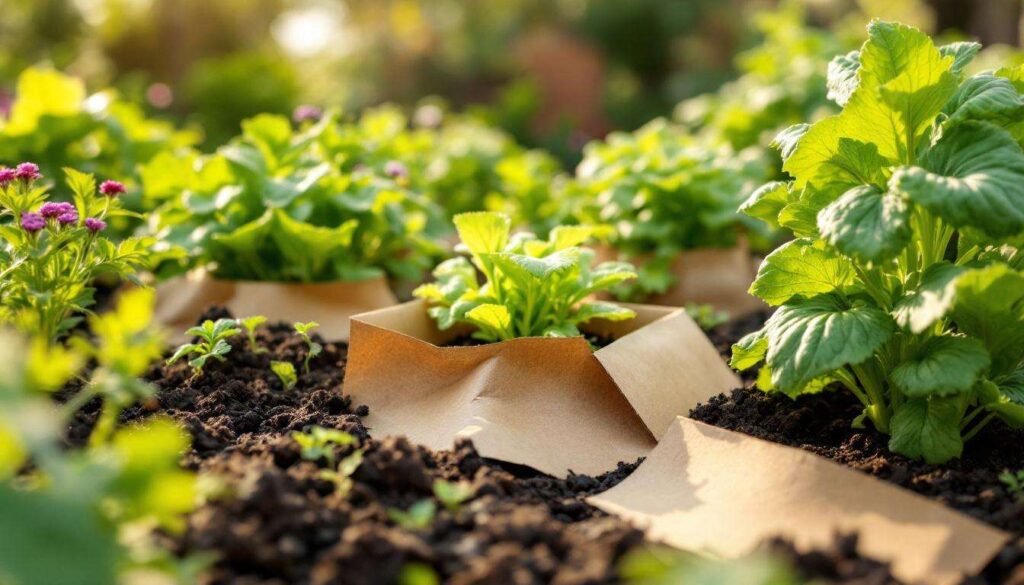
Gardeners seeking sustainable and cost-effective solutions to enhance their vegetable plots need look no further than a humble household material. Cardboard, often destined for recycling bins, has emerged as a powerful ally in protecting crops whilst simultaneously boosting yields. This straightforward technique requires minimal investment yet delivers remarkable results, transforming the way we approach soil management and plant protection.
The importance of cardboard in the vegetable garden
A versatile gardening resource
Cardboard serves multiple functions within the vegetable garden ecosystem, establishing itself as an indispensable tool for both novice and experienced gardeners. This readily available material addresses several fundamental challenges that gardeners face throughout the growing season.
The primary advantages include:
- Cost-effectiveness compared to commercial gardening products
- Accessibility through everyday packaging materials
- Biodegradability ensuring minimal environmental impact
- Versatility across different gardening applications
Historical context and modern adoption
Whilst the practice of using organic materials for soil improvement dates back centuries, the specific application of cardboard gained significant traction during the late twentieth century. Gardeners experimenting with no-dig methods discovered that cardboard layers provided exceptional results when establishing new beds or suppressing persistent weeds.
Contemporary gardening movements have embraced this technique, with community gardens and allotment holders sharing successful implementations. The method’s popularity stems from its alignment with sustainable practices and reduced reliance on chemical interventions.
Understanding cardboard’s fundamental role naturally leads to examining its protective capabilities for growing crops.
How cardboard protects your crops
Weed suppression mechanisms
The most immediate benefit of cardboard application involves effective weed control. When laid directly onto soil surfaces, cardboard creates a physical barrier that prevents light penetration, thereby inhibiting weed seed germination and suppressing existing weed growth.
This barrier method operates through:
- Blocking sunlight essential for photosynthesis
- Preventing weed seedlings from establishing root systems
- Reducing competition for nutrients and water
- Eliminating the need for chemical herbicides
Moisture retention and regulation
Cardboard layers function as moisture regulators, maintaining consistent soil hydration levels crucial for healthy crop development. The material absorbs water during rainfall or irrigation, releasing it gradually into the soil beneath whilst simultaneously reducing evaporation from exposed surfaces.
| Soil condition | Without cardboard | With cardboard mulch |
|---|---|---|
| Moisture retention | 65% | 85% |
| Watering frequency | Daily | Every 3-4 days |
| Surface evaporation | High | Minimal |
Temperature stabilisation
Cardboard provides insulation properties that moderate soil temperatures, protecting plant roots from extreme heat during summer months and offering frost protection during cooler periods. This temperature buffering creates optimal conditions for beneficial soil organisms and root development.
These protective qualities directly contribute to improved plant vigour and productivity.
Boosting harvests with cardboard
Enhanced soil structure development
As cardboard gradually decomposes, it transforms into valuable organic matter that enriches soil composition. This breakdown process encourages earthworm activity and beneficial microorganism populations, creating a thriving underground ecosystem that supports robust plant growth.
The decomposition timeline typically follows this pattern:
- First month: cardboard softens and begins breaking down
- Months 2-4: earthworms and microbes actively process material
- Months 5-8: complete integration into soil structure
- Long-term: improved drainage and nutrient availability
Nutrient cycling improvements
Cardboard application facilitates efficient nutrient cycling within the garden ecosystem. The carbon-rich material balances nitrogen-heavy compost additions, creating optimal conditions for nutrient release and plant uptake. This natural process reduces dependency on synthetic fertilisers whilst maintaining productive growing conditions.
Measurable yield increases
Gardeners implementing cardboard mulching techniques consistently report enhanced harvest outcomes. Vegetables grown in cardboard-treated beds demonstrate stronger growth patterns, increased fruit production, and improved overall plant health compared to conventionally managed plots.
| Crop type | Standard yield | Cardboard method yield |
|---|---|---|
| Tomatoes | 4 kg per plant | 5.2 kg per plant |
| Courgettes | 8 fruits per plant | 11 fruits per plant |
| Lettuce | Standard size | 15% larger heads |
Beyond individual crop performance, this technique offers broader environmental advantages worth considering.
The ecological benefits of using cardboard
Waste reduction and resource efficiency
Repurposing cardboard packaging for gardening applications diverts substantial quantities from waste streams. This circular approach transforms what would become landfill material into productive garden resources, exemplifying sustainable household practices.
Chemical-free gardening promotion
Cardboard mulching eliminates requirements for synthetic weed suppressants and reduces reliance on chemical fertilisers. This natural approach supports biodiversity, protects beneficial insects, and maintains soil health without introducing potentially harmful substances into the growing environment.
Environmental advantages include:
- Zero chemical runoff into groundwater systems
- Protection of pollinating insects and beneficial predators
- Maintenance of natural soil microbiome balance
- Reduced carbon footprint from manufacturing and transport
Supporting soil biodiversity
The decomposing cardboard creates habitat and food sources for countless soil organisms. From earthworms to microscopic bacteria, these creatures establish complex ecological relationships that enhance soil fertility and plant resilience naturally.
Implementing these ecological principles requires practical knowledge and appropriate techniques.
Practical advice for integrating cardboard into your garden
Selecting appropriate cardboard
Not all cardboard proves equally suitable for gardening applications. Choose plain, uncoated varieties without glossy finishes, excessive printing, or plastic tape. Corrugated cardboard works exceptionally well due to its structure and decomposition properties.
Avoid materials containing:
- Wax coatings or plastic lamination
- Heavy ink coverage or coloured dyes
- Staples, tape, or other non-biodegradable attachments
- Unknown chemical treatments
Application techniques
Proper installation ensures maximum effectiveness. Begin by clearing the designated area of large debris, then lay cardboard sheets with generous overlaps to prevent weed penetration through gaps. Wet the cardboard thoroughly before covering with organic mulch or compost layers.
Step-by-step process:
- Remove obvious weeds and debris from soil surface
- Lay cardboard sheets with 15-20 cm overlaps
- Saturate cardboard completely with water
- Apply 5-10 cm layer of compost or organic mulch
- Plant directly through cardboard for immediate use
Seasonal timing considerations
Whilst cardboard can be applied throughout the growing season, autumn installation provides optimal results. This timing allows winter decomposition, creating perfect planting conditions by spring. Alternatively, apply several weeks before intended planting dates to ensure adequate breakdown.
These practical implementations yield benefits that extend well beyond immediate growing seasons.
Long-term impacts for your garden
Cumulative soil improvement
Repeated cardboard applications over multiple seasons create progressively healthier soil. Each layer contributes organic matter, enhancing structure, drainage, and nutrient-holding capacity. Gardens maintained with this method develop deep, friable topsoil that supports increasingly productive crops.
Reduced maintenance requirements
Established cardboard mulching systems dramatically decrease ongoing garden maintenance. Weed populations diminish significantly, watering demands reduce, and soil fertility improves naturally, freeing gardeners to focus on harvesting and enjoying their productive spaces.
Sustainable gardening legacy
Adopting cardboard techniques establishes regenerative practices that benefit future growing seasons. The method teaches valuable lessons about working with natural processes rather than against them, creating gardens that become more productive and resilient over time.
Gardeners embracing this simple yet effective approach discover that sustainable practices need not involve complex procedures or expensive inputs. Cardboard mulching demonstrates how everyday materials, applied thoughtfully, transform vegetable gardens into thriving ecosystems. The combination of crop protection, enhanced yields, and environmental benefits makes this technique invaluable for anyone committed to productive, sustainable gardening. Through consistent application and observation, gardeners develop deeper understanding of soil ecology whilst enjoying abundant harvests that reward their efforts season after season.