



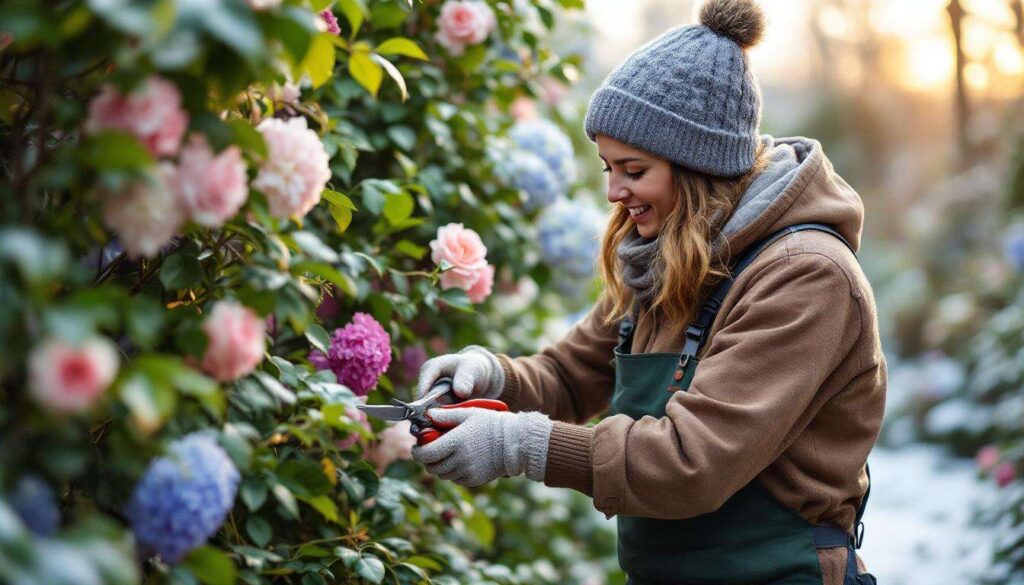
Gardens often suffer during summer not because of heat or drought, but due to inadequate preparation during the colder months. February presents a critical window for pruning three of Britain’s most beloved flowering plants: clematis, hydrangeas and roses. This seemingly simple task can mean the difference between sparse blooms and a spectacular display when warmer weather arrives. Many gardeners overlook this essential maintenance period, assuming that plants will naturally flourish come spring. However, strategic pruning during February encourages vigorous growth, improves air circulation and directs the plant’s energy towards producing abundant flowers rather than maintaining unproductive wood.
The importance of February pruning
Why timing matters for plant health
February marks the final weeks of dormancy for most flowering plants in British gardens. During this period, plants conserve energy in their root systems whilst their above-ground growth remains relatively inactive. Pruning at this precise moment minimises stress on the plant whilst maximising the benefits of the cut. The wounds heal more efficiently when sap flow remains low, reducing the risk of disease entering through fresh cuts.
Pruning too early exposes plants to harsh winter damage, whilst waiting until March or April forces plants to waste valuable energy on growth that will simply be removed. The optimal window typically falls between mid-February and early March, depending on regional climate variations. Gardeners in northern areas may need to wait until late February, whilst those in milder southern regions can begin slightly earlier.
Benefits that extend beyond aesthetics
Strategic February pruning delivers multiple advantages:
- Removes dead, diseased or damaged wood before new growth begins
- Improves air circulation throughout the plant structure, reducing fungal diseases
- Redirects nutrients towards productive stems and flower buds
- Controls plant size and shape for better garden integration
- Stimulates dormant buds to produce vigorous new shoots
These cumulative benefits create healthier, more resilient plants that withstand summer stresses far more effectively than unpruned specimens. Understanding these advantages helps explain why this particular maintenance task deserves priority attention. With this foundation established, the specific techniques for each plant type require careful examination.
How to effectively prune clematis
Understanding the three pruning groups
Clematis varieties fall into three distinct pruning categories, each requiring different approaches. Group 1 clematis bloom on previous year’s growth and need minimal pruning, simply removing dead stems. Group 2 varieties flower on both old and new wood, requiring light pruning to remove weak growth whilst preserving main stems. Group 3 clematis bloom exclusively on current season’s growth and benefit from hard pruning down to strong buds approximately 30 centimetres from ground level.
Practical cutting techniques
When pruning clematis, always cut just above a pair of healthy buds using clean, sharp secateurs. Make cuts at a slight angle to prevent water collecting on the cut surface. For Group 3 varieties, this hard pruning might seem drastic, but it encourages vigorous new growth that produces the most spectacular summer displays.
| Clematis group | Pruning severity | Flowering time |
|---|---|---|
| Group 1 | Minimal | Spring |
| Group 2 | Light | Early summer |
| Group 3 | Hard | Late summer |
Identifying your clematis variety proves essential for successful pruning, as incorrect techniques can eliminate an entire season’s blooms. This careful approach to clematis sets the stage for addressing another popular flowering shrub that equally benefits from February attention.
Secrets to boosting hydrangeas
Distinguishing between hydrangea types
Hydrangeas require different pruning strategies depending on their species. Mophead and lacecap hydrangeas (Hydrangea macrophylla) bloom on old wood and need only deadheading of spent flowers plus removal of dead stems. Panicle hydrangeas (Hydrangea paniculata) flower on new growth and respond well to harder pruning, which produces larger blooms on sturdy stems.
Optimal cutting methods for maximum blooms
For macrophylla varieties, trace each stem down to the first pair of fat, healthy buds below the old flowerhead. Cut just above these buds, which will produce this year’s flowers. Remove entirely any stems that produced no flowers last year or appear weak and spindly. This selective approach maintains the shrub’s natural shape whilst encouraging better flowering.
Panicle hydrangeas tolerate more aggressive pruning. Cut stems back to a framework approximately 45-60 centimetres high, leaving three to five pairs of buds on each main stem. This technique produces:
- Fewer but significantly larger flower panicles
- Stronger stems that support heavy blooms without staking
- More compact growth habit suitable for smaller gardens
- Improved air circulation reducing mildew problems
These hydrangea techniques complement the approach needed for roses, another garden staple requiring February intervention.
Preparing roses for abundant flowering
The four-step rose pruning system
Roses demand a systematic approach to achieve optimal results. Begin by removing all dead, diseased or damaged wood, cutting back to healthy white pith. Next, eliminate any stems thinner than a pencil, as these rarely produce quality blooms. Then remove crossing branches that rub together, creating entry points for disease. Finally, reduce remaining healthy stems by approximately one-third to one-half their length, cutting to outward-facing buds.
Variety-specific considerations
Different rose types require modified approaches. Hybrid tea and floribunda roses benefit from relatively hard pruning, leaving stems 20-30 centimetres high. Shrub roses need lighter treatment, removing only about one-quarter of their height. Climbing roses require careful attention to their framework, removing only old unproductive stems whilst preserving young vigorous growth.
| Rose type | Pruning height | Severity |
|---|---|---|
| Hybrid tea | 20-30 cm | Hard |
| Floribunda | 25-35 cm | Moderate to hard |
| Shrub | 75% of height | Light |
| Climbing | Framework only | Selective |
This tailored approach ensures each rose type receives appropriate treatment for its growth habit and flowering pattern. Successful execution of these techniques depends heavily on having the right equipment readily available.
Essential garden pruning tools
Must-have cutting implements
Quality tools make pruning safer, easier and more effective. Bypass secateurs represent the most important tool, providing clean cuts on stems up to pencil thickness. Choose models with replaceable blades and comfortable handles that suit your hand size. Loppers extend your cutting capacity to branches up to 4 centimetres diameter, whilst pruning saws handle anything larger.
Maintenance and hygiene practices
Tool maintenance directly impacts plant health. Clean blades between plants using disinfectant solution or methylated spirits to prevent disease transmission. Sharp tools create clean cuts that heal quickly, whilst blunt blades crush stems, creating entry points for pathogens. Regular sharpening maintains cutting efficiency and reduces the physical effort required.
Additional useful equipment includes:
- Thick leather gloves for handling thorny roses and clematis
- Kneeling pad for comfortable access to low growth
- Bucket or garden waste bag for collecting prunings
- Measuring tape for gauging cutting heights accurately
- Garden twine for tying in climbing plants after pruning
Even with excellent tools and knowledge, certain common errors can undermine pruning efforts and require careful avoidance.
Mistakes to avoid when pruning in February
Timing and technique errors
Pruning during frosty conditions damages plant tissues and creates wounds that struggle to heal properly. Wait for a mild, dry day when temperatures remain above freezing. Cutting too close to buds damages them, whilst leaving long stubs encourages die-back and disease. The ideal cut sits approximately 5 millimetres above the bud at a slight angle.
Common misconceptions
Many gardeners apply the same pruning approach to all plants, ignoring species-specific requirements. This one-size-fits-all mentality often results in reduced flowering or damaged plants. Another frequent mistake involves excessive pruning driven by anxiety about plant size. Removing more than necessary stresses plants and delays flowering whilst providing minimal additional benefit.
Failing to remove pruned material from the garden bed allows diseases and pests to overwinter near plants. Always collect and dispose of prunings, particularly those showing signs of disease. Composting healthy material proves acceptable, but diseased wood requires disposal in household waste to prevent contamination.
February pruning represents an investment in summer garden success that pays dividends throughout the growing season. The techniques outlined for clematis, hydrangeas and roses provide a foundation for creating vibrant, healthy displays that reward the effort with months of colour and interest. By understanding plant-specific requirements, using appropriate tools and avoiding common pitfalls, gardeners can transform potentially lacklustre plants into showstopping features. This overlooked task deserves recognition as one of the most impactful activities in the gardening calendar, directly influencing the quality and abundance of summer blooms whilst promoting long-term plant health and vigour.