



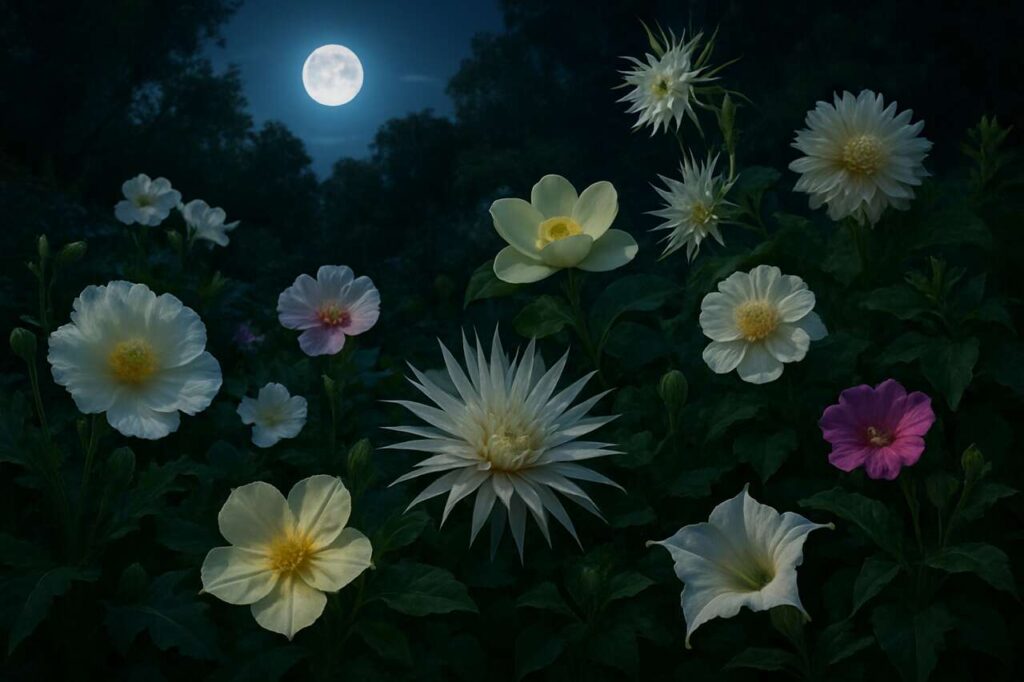
Gardens traditionally come alive during daylight hours, but a carefully planned nocturnal garden reveals an entirely different world once darkness falls. Night-blooming flowers possess the remarkable ability to transform outdoor spaces into enchanting sanctuaries filled with luminous petals and intoxicating fragrances. These botanical wonders have evolved to attract nocturnal pollinators such as moths, bats, and night-flying insects, creating a thriving ecosystem that operates whilst most of the world sleeps. By selecting the right combination of these extraordinary plants, gardeners can extend their enjoyment of outdoor spaces well beyond sunset, creating a magical atmosphere that engages the senses in unexpected ways.
Discovering night-blooming flowers
Understanding nocturnal blooming patterns
Night-blooming flowers have developed specialised adaptations that distinguish them from their daytime counterparts. These plants typically feature pale or white petals that reflect moonlight, making them visible to pollinators navigating in darkness. The biological mechanism behind nocturnal blooming involves circadian rhythms that trigger flower opening as light levels decrease. Many species release their most potent fragrances after dusk, creating olfactory trails that guide moths and other nocturnal visitors towards their nectar-rich blooms.
The evolutionary advantage of night blooming
Plants that bloom at night have evolved to exploit a less competitive pollination niche. Whilst daytime flowers compete for attention from bees and butterflies, nocturnal bloomers benefit from:
- Reduced competition for pollinator attention
- Access to specialised nocturnal pollinator species
- Lower water loss through transpiration in cooler evening temperatures
- Protection from intense sunlight that might damage delicate petals
This evolutionary strategy has resulted in some of the most fragrant and visually striking flowers in the botanical world. Understanding these adaptations helps gardeners appreciate the unique requirements these plants need to thrive, setting the foundation for exploring the numerous benefits they bring to outdoor spaces.
The benefits of nocturnal gardens
Sensory experiences beyond the visual
Nocturnal gardens engage the senses in ways that daytime gardens cannot replicate. The absence of visual distractions allows fragrances to take centre stage, creating an immersive aromatic experience. Night-blooming flowers typically produce intensely perfumed blooms that can fill entire garden areas with their scent. This olfactory dimension adds depth to the garden experience, making evening strolls through the garden a truly memorable sensory journey.
Supporting nocturnal wildlife
Creating a night garden contributes significantly to biodiversity conservation. Nocturnal pollinators face increasing habitat loss, and gardens featuring night-blooming plants provide essential feeding stations. These gardens support:
- Hawk moths and other nocturnal lepidoptera
- Nocturnal bees that forage during twilight hours
- Beetles that assist with pollination
- Bats in regions where they serve as pollinators
Extended garden enjoyment
For individuals with demanding daytime schedules, nocturnal gardens offer the opportunity to enjoy their outdoor spaces during available evening hours. This temporal flexibility makes gardening accessible to those who might otherwise miss the peak blooming periods of traditional plants. The cooler evening temperatures also make garden activities more comfortable during summer months, encouraging greater interaction with outdoor spaces and naturally leading to considerations about which specific plants will best suit these unique gardening conditions.
Flower selection for a nocturnal garden
Angel’s trumpet: the dramatic centrepiece
Angel’s trumpet stands as one of the most visually impressive night-blooming plants available to gardeners. Its large, pendulous trumpet-shaped flowers can measure up to 30 centimetres in length, creating a dramatic focal point. The plant produces an intensely sweet fragrance that becomes more pronounced after sunset. Suitable for hardiness zones 7b to 10b, it can be grown in containers in cooler regions and brought indoors during winter. Gardeners should note that all parts of this plant are toxic if ingested, requiring careful placement away from children and pets.
Night phlox: the honey-scented charmer
This South African native presents small, daisy-like flowers with distinctive maroon undersides that curl back to reveal white petals. Night phlox releases a honey-sweet fragrance at dusk, attracting nocturnal pollinators whilst providing visual interest throughout the day. Its compact growth habit makes it ideal for:
- Border edging in nocturnal garden beds
- Container cultivation on patios and balconies
- Rock gardens where its low-growing nature complements stone features
- Mixed plantings with other night bloomers
Moonflower: the rapid evening opener
Moonflower produces spectacular white blooms that can reach 15 centimetres in diameter. These flowers open rapidly at dusk, sometimes within minutes, creating a fascinating spectacle for observers. The vine can grow several metres in a single season, making it excellent for covering trellises, arbours, and fences. Its sweet, tropical fragrance intensifies throughout the night, making it a favourite near seating areas and bedroom windows.
Evening primrose: the pollinator magnet
Evening primrose opens its bright yellow flowers as daylight fades, providing a luminous display that stands out in moonlight. This hardy biennial self-seeds readily, creating naturalistic drifts in informal garden settings. Beyond its ornamental value, evening primrose serves as an important food source for specialist moths and other nocturnal insects, supporting local ecosystems whilst requiring minimal maintenance from gardeners.
| Plant name | Flower colour | Height range | Hardiness zones |
|---|---|---|---|
| Angel’s trumpet | White, pink, yellow | 1.2-4.5 metres | 7b-10b |
| Night phlox | White with maroon | 20-30 centimetres | 9-11 |
| Moonflower | White | 3-6 metres (vine) | 10-12 |
| Evening primrose | Yellow | 60-120 centimetres | 4-8 |
These selections represent just a portion of available night-blooming options, each offering unique characteristics that contribute to a cohesive nocturnal garden design. With appropriate plant choices made, attention must turn to the practical aspects of ensuring these special plants receive the care they require to flourish.
How to cultivate your night flowers
Soil preparation and planting requirements
Most night-blooming flowers thrive in well-draining soil enriched with organic matter. Before planting, incorporate compost or well-rotted manure to improve soil structure and fertility. Many nocturnal bloomers prefer slightly acidic to neutral pH levels, though specific requirements vary by species. Conducting a soil test provides valuable information for amendments, ensuring optimal growing conditions from the outset.
Light and positioning considerations
Despite their nocturnal flowering habits, most night-blooming plants require adequate daytime sunlight for photosynthesis and energy production. Positioning guidelines include:
- Full sun to partial shade for most species
- Protection from harsh afternoon sun in hot climates
- Placement near seating areas to maximise fragrance enjoyment
- Consideration of viewing angles from indoor spaces
Watering and feeding schedules
Night-blooming flowers generally benefit from consistent moisture without waterlogging. Establishing a regular watering schedule during the growing season promotes healthy growth and abundant flowering. Many species appreciate evening watering, which reduces water loss through evaporation and mimics natural rainfall patterns. Monthly applications of balanced fertiliser during the growing season support vigorous growth, though organic alternatives such as compost tea provide gentler nutrition that builds long-term soil health.
Pest and disease management
Nocturnal plants face similar pest pressures to daytime bloomers, including aphids, spider mites, and fungal diseases. Regular monitoring allows early intervention before problems escalate. Integrated pest management approaches prioritise cultural controls and beneficial insects over chemical interventions, maintaining garden ecosystem health whilst protecting plants. Proper spacing ensures adequate air circulation, reducing fungal disease risk in humid conditions. With cultivation fundamentals mastered, gardeners can focus on enhancing the overall ambience of their nocturnal outdoor spaces.
Creating a magical atmosphere after dusk
Strategic lighting design
Thoughtful lighting enhances night-blooming flowers without overwhelming their natural luminescence. Subtle uplighting positioned beneath plants creates dramatic shadows and highlights flower forms. Solar-powered path lights guide visitors through the garden whilst maintaining an environmentally friendly approach. Warm-toned LED fixtures complement the natural colours of white and pale flowers better than harsh white lights, creating a more inviting atmosphere that encourages extended evening garden enjoyment.
Incorporating seating and viewing areas
Comfortable seating positioned strategically throughout the nocturnal garden allows full appreciation of both visual beauty and fragrance. Consider placing benches or chairs:
- Near concentrations of fragrant plants for maximum scent exposure
- Along pathways at intervals for rest stops during evening strolls
- In sheltered spots that provide privacy and intimacy
- With views towards moonlit areas of the garden
Complementary hardscaping elements
Pale-coloured paving materials, gravel paths, and light-toned stone features reflect moonlight, enhancing visibility without artificial lighting. Water features add auditory dimension to the nocturnal garden experience, with gentle fountains or small waterfalls creating soothing background sounds. Reflective surfaces in ponds or water bowls capture moonlight and mirror flowering plants, doubling their visual impact through reflection.
Gardens designed to flourish after dark offer rewards that extend far beyond conventional horticultural pursuits. The ten night-blooming flowers featured provide diverse options for creating enchanting outdoor spaces that engage multiple senses simultaneously. From the dramatic angel’s trumpet to the honey-scented night phlox, each plant contributes unique characteristics to the nocturnal landscape. Successful cultivation requires attention to specific growing requirements, but the resulting displays justify the effort invested. Strategic design elements including appropriate lighting, comfortable seating, and complementary hardscaping transform functional gardens into magical evening retreats. By embracing these nocturnal bloomers, gardeners unlock a parallel world of botanical beauty that thrives whilst most traditional gardens sleep, extending the pleasure derived from outdoor spaces well into the evening hours.