



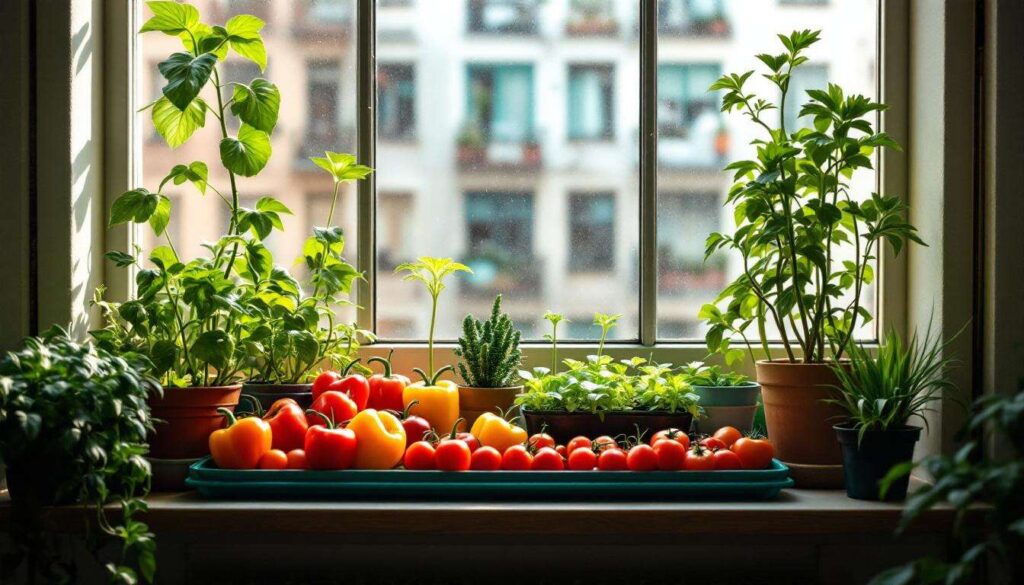
The Royal Horticultural Society has identified a remarkable shift in home gardening practices, with tabletop vegetables emerging as the most significant cultivation trend for the coming years. This innovative approach to growing food transforms even the smallest living spaces into productive gardens, requiring nothing more than a sunny windowsill or compact surface area. As urban populations expand and outdoor space becomes increasingly scarce, this accessible method of food production offers city dwellers an opportunity to reconnect with nature whilst enjoying fresh, homegrown produce. The movement represents a democratisation of gardening, breaking down traditional barriers and proving that anyone can become a grower, regardless of their living situation or previous horticultural experience.
The rise of tabletop vegetables: a growing trend
Understanding the tabletop revolution
The concept of tabletop vegetables has gained substantial momentum amongst urban gardeners and apartment dwellers seeking sustainable food sources. This method involves cultivating edible plants in compact containers placed on windowsills, kitchen counters, balconies, or any available flat surface. The RHS reports that interest in miniature vegetable varieties has increased by over sixty per cent in recent surveys, reflecting a fundamental change in how people approach home food production.
Factors driving the popularity
Several interconnected factors have contributed to this horticultural phenomenon. The pandemic initially sparked renewed interest in self-sufficiency, whilst ongoing economic pressures have encouraged households to seek cost-effective food alternatives. Additionally, younger generations demonstrate heightened environmental awareness and desire greater control over their food sources. The movement also benefits from social media platforms where enthusiasts share their successes, creating vibrant online communities that inspire newcomers to begin their own growing journeys.
| Year | Interest Level | New Growers |
|---|---|---|
| 2022 | Moderate | 12,000 |
| 2024 | High | 28,000 |
| 2026 (projected) | Very High | 45,000 |
This growing enthusiasm naturally leads to questions about what makes these miniature gardens so attractive to modern households.
Why are tabletop vegetables so appealing ?
Accessibility for all living situations
The primary appeal of tabletop vegetables lies in their extraordinary accessibility. Unlike traditional allotments or garden beds, this method requires minimal space and no outdoor area whatsoever. Renters who cannot modify their properties, flat dwellers without balconies, and those with mobility challenges can all participate equally. The low barrier to entry means that financial constraints need not prevent anyone from growing their own food.
Immediate rewards and educational value
Tabletop gardening offers rapid gratification compared to conventional growing methods. Many suitable varieties reach harvestable size within weeks rather than months, providing quick results that maintain enthusiasm and engagement. This characteristic makes the practice particularly valuable for families wishing to teach children about food production, plant biology, and environmental responsibility through hands-on experience.
Health and wellbeing advantages
Research consistently demonstrates that indoor gardening activities provide significant mental health benefits. The practice reduces stress, improves mood, and creates a sense of accomplishment. Furthermore, having fresh herbs and vegetables within arm’s reach encourages healthier eating habits and ensures access to produce at peak nutritional value. The key advantages include:
- Reduced exposure to pesticides and chemicals
- Maximum freshness and flavour
- Therapeutic interaction with plants
- Enhanced air quality indoors
- Year-round growing potential
Understanding these benefits helps explain the trend’s popularity, but success depends largely on selecting appropriate varieties for confined spaces.
Choosing vegetables suitable for your limited spaces
Compact varieties bred for containers
The seed industry has responded to demand by developing dwarf and miniature cultivars specifically designed for container cultivation. These plants produce full-sized harvests whilst maintaining compact growth habits. Popular options include cherry tomatoes, miniature peppers, compact courgettes, and baby leaf salads. The RHS particularly recommends varieties labelled as patio or balcony types, which have been bred specifically for restricted root space.
Fast-growing options for beginners
Novice growers benefit from starting with vegetables that mature quickly and tolerate variable conditions. Microgreens represent the perfect entry point, reaching harvest stage in just seven to fourteen days. Radishes, spring onions, and cut-and-come-again lettuce varieties also provide rapid results that build confidence. These crops require minimal maintenance and forgive common beginner mistakes such as irregular watering or suboptimal positioning.
Herbs: the windowsill staples
Culinary herbs consistently rank amongst the most successful tabletop crops. Basil, coriander, parsley, chives, and mint all thrive in containers and provide continuous harvests when picked regularly. These plants offer exceptional value for money, as supermarket herb packets often cost more than the seeds needed to grow months’ worth of fresh supplies. The following herbs perform particularly well indoors:
- Basil (requires warmth and good light)
- Parsley (tolerates partial shade)
- Chives (extremely hardy and low-maintenance)
- Coriander (prefers cooler conditions)
- Thyme (drought-tolerant once established)
Selecting the right plants represents only half the equation; understanding proper cultivation techniques ensures successful harvests.
How to grow vegetables on a windowsill
Assessing your available light
Light availability determines which crops will thrive in your specific location. South-facing windowsills receive maximum sunlight in the Northern Hemisphere, making them ideal for sun-loving plants like tomatoes and peppers. East and west-facing positions suit most herbs and leafy vegetables, whilst north-facing windows work best for shade-tolerant crops such as lettuce and spinach. The RHS recommends observing your space throughout the day to understand actual light patterns before selecting plants.
Container selection and preparation
Appropriate containers must provide adequate drainage to prevent waterlogging, which causes root rot and plant failure. Whilst purpose-made growing pots work excellently, repurposed food containers, yoghurt pots, and tin cans serve equally well provided drainage holes are added. Container size should match plant requirements, with herbs managing in containers as small as ten centimetres diameter, whilst tomatoes and peppers require at least twenty centimetres depth for proper root development.
Soil, watering, and feeding requirements
Quality peat-free compost provides the foundation for healthy growth, offering proper drainage whilst retaining sufficient moisture. Container plants require more frequent watering than ground-grown crops, as limited soil volume dries quickly. The finger test proves most reliable: insert your finger two centimetres into the compost, watering only when it feels dry. Once plants begin active growth, regular feeding with diluted liquid fertiliser every fortnight maintains productivity. Key growing principles include:
- Use fresh, quality compost for each growing season
- Water consistently but avoid oversaturation
- Feed regularly during active growth periods
- Rotate containers for even light exposure
- Harvest frequently to encourage continued production
Mastering these practical techniques allows growers to enjoy fresh produce whilst contributing to broader environmental goals.
The environmental and economic benefits of tabletop vegetables
Reducing food miles and packaging waste
Homegrown vegetables eliminate transportation emissions entirely, addressing one of the significant environmental costs of modern food systems. Supermarket produce often travels hundreds or thousands of miles before reaching consumers, generating substantial carbon emissions. Growing food at home also eliminates plastic packaging, which constitutes a major source of household waste. Even modest tabletop gardens contribute meaningfully to reducing individual environmental footprints.
Financial savings over time
Whilst initial setup costs exist, tabletop gardening quickly becomes economically advantageous. A single packet of seeds costing two pounds can produce vegetables worth twenty pounds or more at retail prices. Herbs offer particularly impressive returns, with shop-bought fresh herbs costing three pounds for amounts that represent a single harvest from homegrown plants. The RHS estimates that dedicated windowsill gardeners can save between one hundred and three hundred pounds annually on grocery bills.
Educational impact and community building
The trend fosters environmental awareness by connecting people directly with food production processes. This understanding often catalyses broader sustainable lifestyle changes, including composting, reduced food waste, and more thoughtful consumption patterns. Online and local communities of tabletop gardeners share knowledge, seeds, and encouragement, creating social connections that combat isolation whilst promoting ecological responsibility.
| Benefit Category | Annual Impact | Environmental Value |
|---|---|---|
| Carbon reduction | 15-30 kg CO2 | High |
| Plastic eliminated | 2-5 kg | Medium |
| Cost savings | £100-300 | Personal |
Achieving these benefits requires only basic equipment and supplies that most households can easily acquire.
The essential tools to start your indoor garden
Basic equipment requirements
Beginning tabletop vegetable cultivation requires surprisingly little specialist equipment. The fundamental necessities include containers with drainage, quality peat-free compost, seeds or seedlings, and a watering vessel with a narrow spout for precision. A small hand trowel facilitates planting, whilst plant labels help track varieties and sowing dates. These basic items typically cost under twenty pounds, making the hobby accessible to most budgets.
Optional enhancements for improved results
Whilst not essential, certain items significantly improve growing success. Grow lights extend the growing season and enable cultivation in low-light positions, though they represent a more substantial investment. Propagation trays with clear lids create ideal conditions for seed germination. Small fans improve air circulation, reducing fungal disease risks. Self-watering containers help maintain consistent moisture levels for those with busy schedules or who travel frequently.
Sustainable and budget-friendly alternatives
Creative reuse reduces costs whilst supporting environmental principles. Egg cartons make excellent seed-starting containers, whilst newspaper pots can be fashioned using simple folding techniques. Kitchen scraps provide free compost material when properly processed, and saved seeds from previous harvests eliminate ongoing seed costs. The tabletop gardening community actively shares these resourceful approaches, with numerous online tutorials demonstrating DIY solutions:
- Repurposed food containers as growing pots
- Homemade compost from kitchen waste
- DIY self-watering systems using plastic bottles
- Seed-saving techniques for continuous growing
- Natural pest deterrents from household ingredients
The RHS endorsement of tabletop vegetables as a major growing trend reflects genuine shifts in how people engage with food production and urban living. This accessible approach democratises gardening, proving that fresh, homegrown produce remains achievable regardless of space constraints or previous experience. The combination of environmental benefits, economic savings, and wellbeing advantages creates compelling reasons to embrace this movement. As more households discover the satisfaction of harvesting their own vegetables from windowsills and countertops, the trend seems certain to expand further. The practice represents not merely a passing fad but a meaningful response to contemporary challenges surrounding food security, sustainability, and urban life quality. Whether motivated by financial considerations, environmental concerns, or simply the pleasure of nurturing plants, tabletop vegetable growing offers rewards that extend far beyond the harvest itself.