


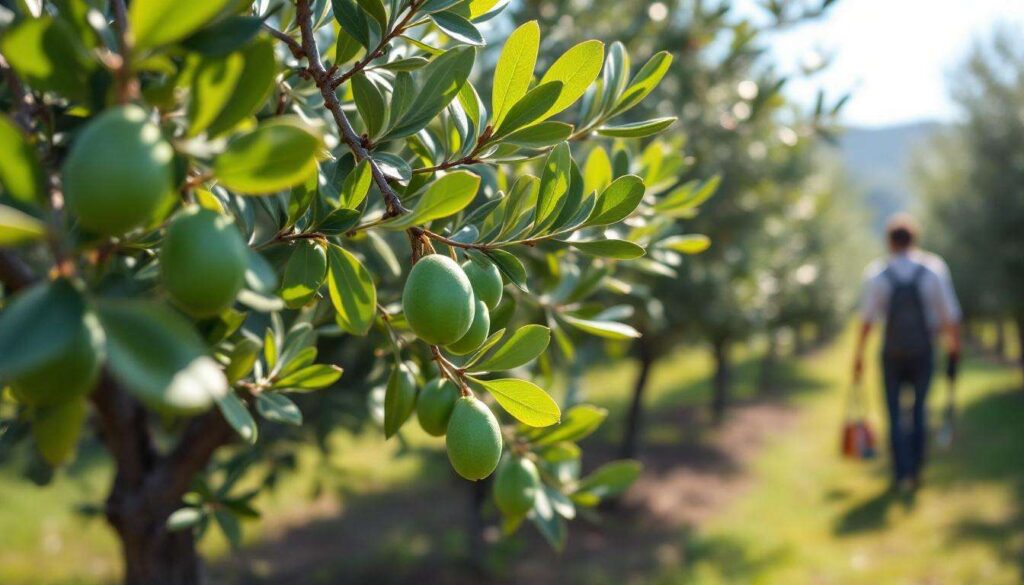
Olive and fig trees are cherished additions to Mediterranean-style gardens, offering both ornamental beauty and delicious fruit. However, many gardeners unknowingly compromise their trees’ health and productivity through a single, critical pruning error. This mistake, often made with the best intentions, can set back fruit production for years and weaken the tree’s overall structure. Understanding the correct approach to pruning these beloved trees during the crucial month of February can make the difference between a thriving, productive specimen and one that struggles to fulfil its potential.
Understanding the importance of pruning in February
February represents a pivotal window for pruning both olive and fig trees. This timing coincides with the trees’ dormant period, when sap flow has slowed considerably and the risk of frost damage is diminishing. Pruning during this month allows gardeners to shape their trees before the spring growth surge begins, ensuring that the plant’s energy is directed towards productive branches rather than wasted on unnecessary growth.
Why dormancy matters for pruning success
When trees enter their dormant phase, they become far more resilient to pruning stress. The reduced sap flow means that cuts heal more efficiently, with less risk of excessive bleeding or disease entry. For olive trees in particular, February pruning prevents the loss of valuable nutrients that would otherwise seep from fresh wounds during active growth periods. Fig trees similarly benefit from this timing, as their latex-like sap flow is minimised, reducing stress on the plant.
Climate considerations for February pruning
The effectiveness of February pruning depends significantly on regional climate patterns. Gardeners should consider the following factors:
- Local frost risk: ensure the harshest frosts have passed before making significant cuts
- Temperature trends: wait for consistently mild days when temperatures remain above freezing
- Rainfall patterns: avoid pruning during prolonged wet periods to reduce fungal infection risk
- Regional variations: southern regions may prune earlier in February, whilst northern areas might wait until late February or early March
This careful timing sets the foundation for understanding what can go wrong when gardeners deviate from proven pruning principles.
Common pruning mistakes to avoid
The most devastating mistake gardeners make when pruning olive and fig trees is removing too much wood in a single session. This over-zealous approach, often called “topping” or severe heading back, strips away the tree’s productive framework and forces it to regenerate from scratch. Many well-intentioned gardeners believe that aggressive pruning will invigorate their trees, but the opposite proves true for these Mediterranean species.
The topping trap
Topping involves cutting back major branches to stubs or drastically reducing the tree’s height. This practice creates numerous problems that compound over time. The tree responds by producing vigorous but weak shoots known as water sprouts, which grow rapidly but lack the structural strength of naturally developed branches. These shoots rarely produce quality fruit and create a dense, tangled canopy that blocks light and air circulation.
Other frequent errors that compromise tree health
Beyond the cardinal sin of over-pruning, several other mistakes plague olive and fig tree cultivation:
- Removing too many fruiting spurs on olive trees, which bear the following season’s crop
- Cutting back fig branches that contain embryonic fruit, destroying the potential harvest
- Making flush cuts that remove the branch collar, preventing proper wound healing
- Using blunt or dirty tools that tear wood fibres and introduce pathogens
- Pruning during active sap flow, causing excessive bleeding and nutrient loss
- Failing to step back and assess the tree’s overall shape between cuts
These errors reveal how pruning decisions cascade through the tree’s biology, affecting everything from structural integrity to fruit production.
How incorrect pruning affects olive and fig trees
The consequences of improper pruning extend far beyond aesthetic concerns, fundamentally altering the tree’s physiology and productivity. When gardeners remove excessive amounts of wood, they trigger a survival response that prioritises vegetative growth over fruit production. The tree interprets severe pruning as damage requiring urgent repair, diverting resources away from reproductive processes.
Impact on olive trees
Olive trees respond particularly poorly to aggressive pruning. These ancient species evolved in harsh Mediterranean conditions where gradual, measured growth ensures survival. Over-pruning disrupts this evolutionary strategy in several ways:
| Pruning severity | Fruit production impact | Recovery time |
|---|---|---|
| Light (10-15% removal) | Maintained or increased | Immediate |
| Moderate (20-30% removal) | Reduced by 30-40% | 1-2 seasons |
| Severe (over 40% removal) | Eliminated for 2-3 years | 3-5 seasons |
The tree’s alternate bearing tendency becomes exaggerated following severe pruning, creating frustrating cycles of heavy crops followed by barren years. Additionally, excessive sun exposure on previously shaded bark can cause sunscald damage, creating entry points for pests and diseases.
Consequences for fig trees
Fig trees suffer differently but equally significantly from over-pruning. These trees produce fruit on new wood, but they also develop breba crops on the previous year’s growth. Removing too much wood eliminates both current and future fruiting potential. The tree responds by producing numerous thin, whippy shoots that crowd the canopy without contributing meaningful fruit production. This vegetative explosion delays the return to productive maturity and creates ongoing maintenance challenges.
Understanding these consequences naturally leads to exploring the correct techniques that preserve tree health whilst achieving pruning objectives.
Recommended techniques for proper pruning
Successful pruning of olive and fig trees relies on the principle of moderation combined with strategic cuts that enhance rather than fight the tree’s natural growth patterns. The goal is to create an open, vase-shaped canopy that allows light penetration and air circulation whilst maintaining sufficient foliage for photosynthesis and fruit production.
The three-cut method for larger branches
When removing branches thicker than your thumb, employ the three-cut technique to prevent bark tearing:
- Make an undercut approximately 30 centimetres from the trunk, cutting one-third through the branch
- Create a top cut slightly further out, allowing the branch to fall cleanly
- Remove the remaining stub with a final cut just outside the branch collar
This method protects the tree’s natural healing mechanisms and prevents damage that could compromise the entire limb.
Selective thinning versus heading cuts
Professional arborists distinguish between two fundamental cut types. Thinning cuts remove entire branches back to their point of origin, maintaining the tree’s natural form whilst reducing density. These cuts are preferred for olive and fig trees because they don’t stimulate excessive regrowth. Heading cuts, which shorten branches to a lateral bud or branch, should be used sparingly as they trigger vigorous sprouting that creates maintenance problems.
The annual removal guideline
A safe rule limits annual wood removal to no more than 20-25% of the tree’s canopy. This conservative approach maintains the tree’s energy reserves whilst achieving gradual improvement in structure and light penetration. For neglected trees requiring significant renovation, spread the work over three to four years rather than attempting dramatic transformation in a single session.
These technical guidelines become more accessible when paired with practical advice tailored to home gardeners.
Practical tips for successful pruning
Translating pruning theory into successful practice requires attention to both technique and timing. Equipping yourself with the right tools and knowledge transforms potentially stressful pruning sessions into rewarding garden maintenance that enhances your trees’ long-term performance.
Essential tools and their maintenance
Quality tools make pruning safer and more effective. Invest in sharp bypass secateurs for cuts up to 2 centimetres diameter, loppers for branches up to 5 centimetres, and a pruning saw for anything larger. Clean blades between cuts using a diluted bleach solution or methylated spirits to prevent disease transmission. Sharpen tools regularly, as clean cuts heal faster than ragged tears from dull blades.
Step-by-step approach for February pruning
Follow this systematic process to avoid the common mistake of over-pruning:
- Begin by removing dead, diseased, or damaged wood regardless of location
- Eliminate crossing branches that rub against each other, keeping the better-positioned limb
- Remove water sprouts and suckers that drain energy from productive growth
- Step back frequently to assess the overall shape and balance
- Make final thinning cuts to open the canopy, working from the inside outward
- Stop before reaching the 25% removal threshold, even if you see additional cuts to make
This measured approach prevents the impulsive over-cutting that ruins so many trees.
Beyond basic technique, experienced gardeners employ additional strategies to maximise their trees’ health and productivity.
Tricks to enhance tree health and production
Advanced pruning practices go beyond simply avoiding mistakes, actively promoting vigorous growth and abundant fruiting. These refinements reflect decades of accumulated wisdom from Mediterranean growers who have perfected the art of cultivating these valuable trees.
Light manipulation for improved fruiting
Strategic pruning creates optimal light distribution throughout the canopy. Olive trees fruit most prolifically on wood that receives direct sunlight for at least six hours daily. Remove interior branches that shade productive wood, but maintain sufficient foliage to protect the bark from sunburn. For fig trees, ensure that developing fruit receives adequate light by thinning crowded areas whilst preserving the leafy canopy that feeds fruit development.
Renewal pruning for sustained productivity
Implement a rotation system that gradually renews the tree’s framework over several years. Each February, select one or two older, less productive branches for removal, replacing them with younger wood that will mature into the next generation of fruiting branches. This approach maintains consistent production whilst preventing the accumulation of aged, declining wood that characterises neglected trees.
Post-pruning care strategies
Support your trees’ recovery from pruning with appropriate aftercare. Apply a balanced organic fertiliser in early spring to fuel new growth. Maintain consistent soil moisture during the growing season, as pruned trees have reduced foliage for water uptake. Monitor for pest activity, as fresh cuts can attract insects. Consider applying wound sealant to cuts larger than 5 centimetres diameter, though research suggests this is less critical than once believed for healthy trees in dry climates.
Olive and fig trees reward patient, knowledgeable care with decades of beauty and productivity. The single most important lesson for February pruning is restraint: resist the temptation to over-prune, and your trees will respond with healthy growth and abundant fruit. By removing only what is necessary, using proper technique, and understanding each tree’s unique growth patterns, gardeners can avoid the devastating mistake that compromises so many potentially magnificent specimens. The modest investment of time spent learning correct pruning methods pays dividends for years to come, transforming struggling trees into thriving centrepieces of the garden that honour these species’ Mediterranean heritage whilst adapting successfully to diverse growing conditions.