



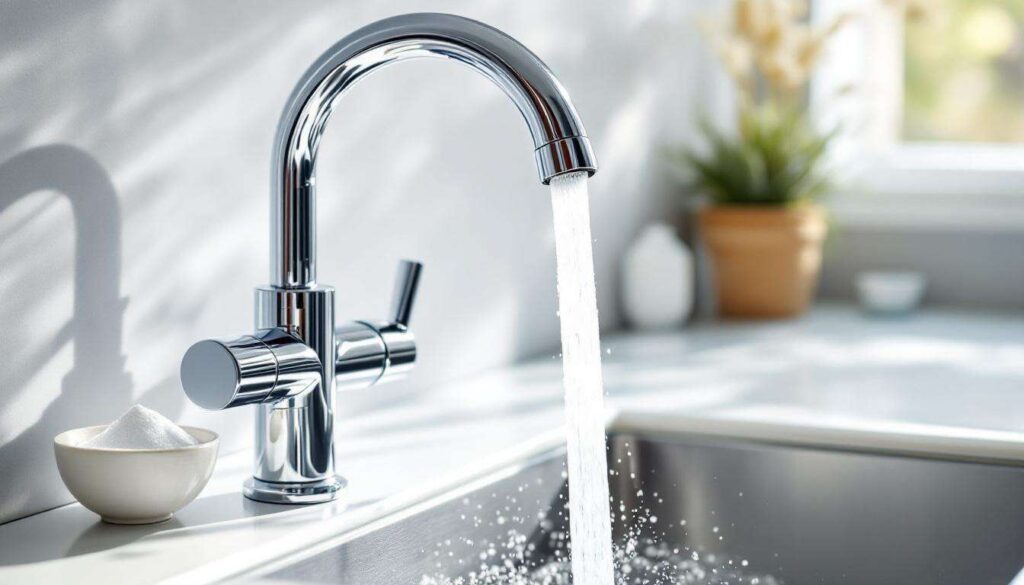
Limescale deposits on taps and fixtures remain one of the most frustrating challenges for households across Britain, particularly in hard water areas. Those unsightly white marks not only detract from the appearance of kitchens and bathrooms but can also damage surfaces over time. Whilst supermarket shelves groan under the weight of expensive branded cleaning products promising miraculous results, a humble kitchen staple costing just £3 offers a remarkably effective solution that outperforms many commercial alternatives.
Understanding the problem of limescale
What causes limescale build-up
Limescale forms when hard water evaporates, leaving behind calcium carbonate deposits. These chalky white or grey residues accumulate particularly rapidly in regions where water contains high concentrations of dissolved minerals. The Thames Valley, Yorkshire and the Midlands experience some of the hardest water in the country, making limescale a persistent household concern.
The impact on household fixtures
Beyond aesthetic concerns, limescale presents several practical problems:
- Reduced water flow through taps and showerheads
- Permanent etching of chrome and stainless steel surfaces
- Decreased efficiency of kettles and appliances
- Increased energy consumption as heating elements become coated
- Shortened lifespan of expensive bathroom and kitchen fittings
The financial implications extend beyond replacement costs. Appliances working harder to heat water through limescale layers consume significantly more electricity, adding pounds to annual energy bills. Regular maintenance becomes essential rather than optional in hard water areas.
Recognising the scope of this problem helps explain why households spend millions annually on cleaning products specifically formulated to tackle mineral deposits.
The disadvantages of commercial sprays
Cost considerations
Branded limescale removers typically retail between £4 and £8 per bottle, with some premium formulations commanding even higher prices. For households requiring frequent applications, these costs accumulate rapidly. A typical family might spend £50 to £100 annually on specialised cleaning products alone.
| Product type | Average cost | Applications per bottle |
|---|---|---|
| Branded spray | £5.50 | 8-10 |
| Premium formula | £7.99 | 10-12 |
| Eco-friendly option | £6.50 | 6-8 |
Chemical concerns and environmental impact
Many commercial limescale removers contain harsh chemicals including hydrochloric acid, sulphamic acid and various synthetic compounds. These ingredients raise several concerns:
- Strong fumes that irritate respiratory systems
- Potential skin reactions requiring protective gloves
- Environmental damage when washed down drains
- Plastic packaging contributing to waste
- Risk to children and pets if accidentally ingested
The pungent odours associated with these products often necessitate opening windows and leaving rooms, making cleaning sessions more disruptive than necessary. Households with young children or individuals with sensitivities face additional challenges when using conventional limescale removers.
These limitations have prompted many consumers to seek alternatives that deliver results without the associated drawbacks.
The miracle low-cost kitchen product
White vinegar: the affordable solution
The answer lies in distilled white vinegar, available in virtually every supermarket for approximately £3 per litre. This unassuming condiment contains acetic acid, which effectively dissolves calcium carbonate without the harsh chemicals found in commercial products. Its natural composition makes it safe for regular use around families and pets.
Why vinegar works so effectively
The science behind vinegar’s effectiveness is straightforward. Acetic acid reacts with alkaline limescale deposits through a chemical process that breaks down the calcium carbonate structure. This reaction occurs at room temperature without requiring scrubbing or abrasive action that might damage fixture surfaces.
Unlike commercial sprays that may contain only 5-10% active ingredients diluted in water and thickening agents, white vinegar typically contains 5-8% acetic acid throughout the entire solution. This consistent concentration ensures reliable performance across multiple applications.
Additional benefits beyond limescale removal
White vinegar offers versatility that extends its value considerably:
- Disinfectant properties that eliminate bacteria
- Deodorising effects that neutralise unpleasant smells
- Streak-free cleaning for glass and mirrors
- Safe for use on most household surfaces
- Biodegradable with minimal environmental impact
This multi-purpose functionality means a single £3 bottle replaces several specialised products, delivering exceptional value whilst reducing cupboard clutter.
Understanding how to apply this kitchen staple correctly ensures optimal results.
How to use this effective ingredient
Application methods for taps and fixtures
For general tap cleaning, spray undiluted white vinegar directly onto affected areas using a standard spray bottle. Allow the solution to sit for 10-15 minutes, enabling the acid to penetrate and dissolve deposits. Wipe clean with a soft cloth, revealing restored shine without harsh scrubbing.
Tackling stubborn build-up
Heavily encrusted fixtures require a more intensive approach:
- Soak kitchen paper or cloths in white vinegar
- Wrap saturated material around affected areas
- Leave in place for 30-60 minutes or overnight for severe cases
- Remove wrapping and wipe away dissolved limescale
- Rinse thoroughly with clean water
For aerators and showerheads, remove the fixtures when possible and immerse completely in a bowl of white vinegar. This ensures the solution reaches internal components where limescale often accumulates unnoticed, restricting water flow.
Safety precautions and surface compatibility
Whilst white vinegar proves safe for most surfaces, certain materials require caution. Avoid prolonged contact with natural stone including marble and granite, as the acid may etch these porous surfaces. Similarly, exercise care with gold-plated fixtures, testing in an inconspicuous area first.
The mild nature of vinegar eliminates concerns about toxic fumes, though the distinctive smell dissipates quickly once surfaces are rinsed. Adequate ventilation remains advisable during application.
Proper technique ensures this affordable solution delivers the promised results.
Quick and lasting results
Immediate visible improvements
Users typically observe dramatic changes within minutes of application. The chemical reaction between acetic acid and calcium carbonate produces visible fizzing as deposits dissolve, providing satisfying confirmation that the process works. Taps regain their original lustre, whilst chrome surfaces reflect light as they did when newly installed.
Comparison with commercial products
| Factor | White vinegar | Branded spray |
|---|---|---|
| Time to work | 10-15 minutes | 5-20 minutes |
| Cost per application | £0.15 | £0.55-£0.80 |
| Environmental impact | Minimal | Moderate to high |
| Safety concerns | Very low | Moderate |
Preventative maintenance strategies
Regular application prevents heavy accumulation that requires intensive treatment. Incorporating white vinegar into weekly cleaning routines maintains fixtures in pristine condition:
- Quick spray and wipe after daily use
- Weekly thorough treatment of all bathroom fixtures
- Monthly deep cleaning of showerheads and aerators
- Immediate attention to any visible deposits
This proactive approach extends the lifespan of expensive fittings whilst maintaining aesthetic appeal. The minimal cost of white vinegar makes frequent application economically viable, unlike expensive commercial products that encourage rationing.
These practical advantages explain why increasing numbers of households adopt this traditional cleaning method.
In conclusion: why adopt this method
White vinegar represents a compelling alternative to expensive branded limescale removers, delivering superior results at a fraction of the cost. Its natural composition eliminates health and environmental concerns whilst providing effective cleaning power that matches or exceeds commercial formulations. The £3 investment yields numerous applications, making it economically sensible for regular maintenance. Beyond limescale removal, its versatility as a household cleaner further enhances value. For households seeking effective, affordable and environmentally responsible cleaning solutions, white vinegar proves itself an indispensable kitchen staple that deserves permanent residence in every cleaning cupboard.