



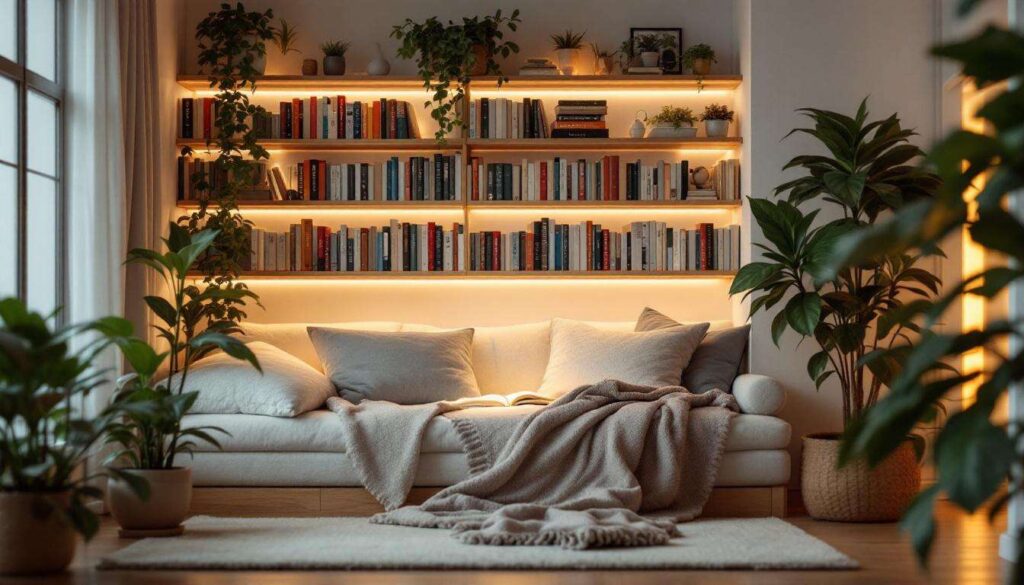
Property searches reveal a fascinating shift in homebuyer priorities, with reading nooks emerging as one of the most sought-after features in residential properties. This quiet corner dedicated to literary pursuits has captured the imagination of house hunters across the nation, transforming from a luxury addition into a practical necessity for many households. The appeal lies not only in the aesthetic charm these spaces provide but also in their capacity to offer a sanctuary from increasingly hectic lifestyles. Creating such a retreat needn’t require substantial financial investment, as thoughtful planning and resourceful shopping can deliver impressive results on a modest budget.
Understanding the trend of reading nooks
The rise in property searches
Recent data from property platforms indicates a remarkable surge in searches specifically mentioning reading nooks, with enquiries increasing by over 400 per cent in recent months. This dramatic uptick reflects a broader cultural shift towards creating multifunctional spaces within homes that prioritise wellbeing and personal enrichment. The pandemic fundamentally altered how people perceive their living spaces, transforming homes from mere shelters into comprehensive environments that must accommodate work, leisure, and personal development.
Why homeowners are investing in reading spaces
Several factors contribute to this growing enthusiasm for dedicated reading areas:
- Increased awareness of mental health benefits associated with reading and quiet contemplation
- The desire to create screen-free zones within technology-saturated homes
- Recognition that property features promoting wellbeing enhance resale value
- Growing appreciation for hygge and similar lifestyle philosophies emphasising comfort
- The practical need for quiet spaces in homes where multiple occupants work or study remotely
Estate agents report that properties featuring well-designed reading nooks often command premium interest, particularly amongst buyers seeking homes that offer more than basic accommodation. This trend extends beyond traditional family homes, with flat dwellers and young professionals equally keen to carve out literary sanctuaries within their living spaces.
Having established why reading nooks have captured public attention, the focus naturally shifts to the practical elements required to create these coveted spaces successfully.
The essentials for a successful reading nook
Comfortable seating as the foundation
The cornerstone of any reading nook is comfortable seating that supports extended periods of relaxation. Options range from plush armchairs and window seats to floor cushions and bean bags, each offering distinct advantages depending on available space and personal preference. The ideal reading chair provides adequate lumbar support whilst allowing the reader to shift positions comfortably, preventing stiffness during longer reading sessions.
Lighting considerations
Proper illumination proves essential for both functionality and ambience. Natural light remains the gold standard, making window-adjacent locations particularly desirable for reading nooks. However, supplementary lighting becomes necessary for evening use and overcast days. A combination of ambient and task lighting creates the most versatile setup, with adjustable reading lamps allowing precise control over light direction and intensity.
Storage solutions for books and accessories
Practical storage keeps reading materials organised and within easy reach. Wall-mounted shelves, small bookcases, or even repurposed crates can house book collections without occupying excessive floor space. Additional storage for reading glasses, bookmarks, and beverages enhances the nook’s functionality, ensuring everything needed remains conveniently accessible.
| Essential Element | Budget Option | Approximate Cost |
|---|---|---|
| Seating | Second-hand armchair | £20-30 |
| Lighting | Clip-on reading lamp | £10-15 |
| Storage | Floating shelf | £8-12 |
| Comfort additions | Cushions and throw | £12-18 |
With these fundamental components identified, attention turns to sourcing furniture that delivers quality without exceeding budgetary constraints.
Budget-friendly furniture selection
Shopping second-hand and vintage
Charity shops, car boot sales, and online marketplaces offer remarkable opportunities for discovering affordable seating options with character. Vintage armchairs frequently appear at fraction-of-retail prices, often requiring only minor refurbishment to become centrepiece items. Facebook Marketplace and Gumtree regularly feature quality furniture from homeowners simply seeking to clear space, presenting savvy shoppers with genuine bargains.
Repurposing existing furniture
Before purchasing new items, assess existing household furniture for repurposing potential. A dining chair relocated to a quiet corner and enhanced with cushions can serve admirably as reading seating. Unused ottomans, stools, or even sturdy storage boxes topped with padding transform into functional reading perches with minimal investment.
Affordable retailers worth exploring
Budget-conscious shoppers should investigate these retailers for reading nook essentials:
- IKEA for modular shelving systems and compact seating options
- Dunelm for cushions, throws, and lighting at competitive prices
- The Range for decorative accessories and small furniture pieces
- Wilko for practical storage solutions and reading lamps
- B&M for seasonal soft furnishings and occasional furniture bargains
Strategic shopping during sales periods can stretch budgets further, with January and summer clearances offering particularly attractive discounts on home furnishings.
Once suitable furniture has been secured, the challenge becomes transforming these practical elements into an inviting retreat through carefully chosen accessories.
Creating a cosy atmosphere with accessories
Textiles for warmth and comfort
Soft furnishings dramatically enhance the comfort quotient of reading nooks without substantial expense. Throws draped over seating introduce colour and texture whilst providing warmth during cooler months. Cushions in varying sizes offer both aesthetic appeal and practical support, allowing readers to adjust their seating arrangement for optimal comfort. Selecting washable fabrics ensures easy maintenance, particularly important for frequently used spaces.
Adding personal touches
Personal items transform generic corners into meaningful sanctuaries. Framed prints, photographs, or artwork reflecting personal interests create visual interest whilst reinforcing the space’s identity as a personal retreat. Small plants introduce natural elements and improve air quality, with low-maintenance varieties like pothos or snake plants proving ideal for readers who prefer minimal upkeep.
Scent and ambience
Aromatherapy elements contribute to the sensory experience of reading nooks. Affordable options include:
- Reed diffusers providing continuous subtle fragrance
- Scented candles creating atmospheric lighting and pleasant aromas
- Essential oil burners offering customisable scent combinations
- Naturally scented items like dried lavender or eucalyptus bundles
These additions cost remarkably little yet significantly enhance the overall experience of the space, engaging multiple senses to create a truly immersive environment.
For those working with limited square footage, specific strategies can maximise the potential of even the smallest areas.
Designing a reading nook in a small space
Identifying underutilised areas
Compact homes contain numerous overlooked opportunities for reading nooks. Window sills with sufficient depth can accommodate cushioned seating, transforming wasted space into functional reading areas. Alcoves beside chimneys, under staircases, or in hallway recesses provide natural boundaries that define intimate reading zones without requiring structural modifications.
Vertical space utilisation
When floor space proves limited, thinking vertically maximises available area. Wall-mounted shelving keeps books accessible without encroaching on precious square footage. Floating desks or narrow ledges can hold reading lamps and beverages, whilst hooks accommodate bags or reading accessories. This vertical approach proves particularly effective in studio flats and small bedrooms where every centimetre counts.
Multi-functional furniture solutions
Furniture serving dual purposes optimises small spaces brilliantly. Storage ottomans provide seating whilst concealing books and accessories inside. Fold-down wall desks create temporary reading surfaces that disappear when not needed. Window seats with lift-up lids offer both comfortable seating and hidden storage, addressing two needs simultaneously.
Beyond spatial considerations, personalisation ensures reading nooks reflect individual preferences and requirements.
Tips for personalising your reading nook
Reflecting personal reading preferences
Tailoring the space to specific reading habits enhances both functionality and enjoyment. Readers who favour hefty hardbacks benefit from sturdy side tables capable of supporting weighty volumes, whilst e-reader enthusiasts require convenient charging points nearby. Those who enjoy reading aloud to children might incorporate floor cushions for young listeners, creating a shared literary space.
Seasonal adaptations
Adjusting the reading nook throughout the year maintains freshness and responds to changing needs. Summer might see lighter textiles and increased natural ventilation, whilst winter calls for heavier throws and warmer lighting. These seasonal rotations prevent the space from becoming stale whilst requiring minimal financial outlay.
Incorporating technology thoughtfully
Modern readers often blend traditional books with digital formats, necessitating thoughtful technology integration. Discreet cable management keeps charging leads tidy, whilst small speakers enable audiobook listening without dominating the aesthetic. The key lies in ensuring technology enhances rather than overwhelms the peaceful atmosphere.
Creating an inviting reading nook on a limited budget proves entirely achievable through strategic planning, resourceful shopping, and thoughtful personalisation. The fundamental requirements remain consistent regardless of expenditure: comfortable seating, adequate lighting, and personal touches that transform functional corners into cherished retreats. Second-hand furniture, repurposed items, and budget retailers provide ample opportunities for cost-conscious homeowners to establish these increasingly desirable spaces. Whether occupying a generous bay window or a modest alcove, reading nooks offer tangible benefits for mental wellbeing whilst potentially enhancing property appeal. The investment of time and modest funds yields a sanctuary for literary escape that enriches daily life immeasurably.