



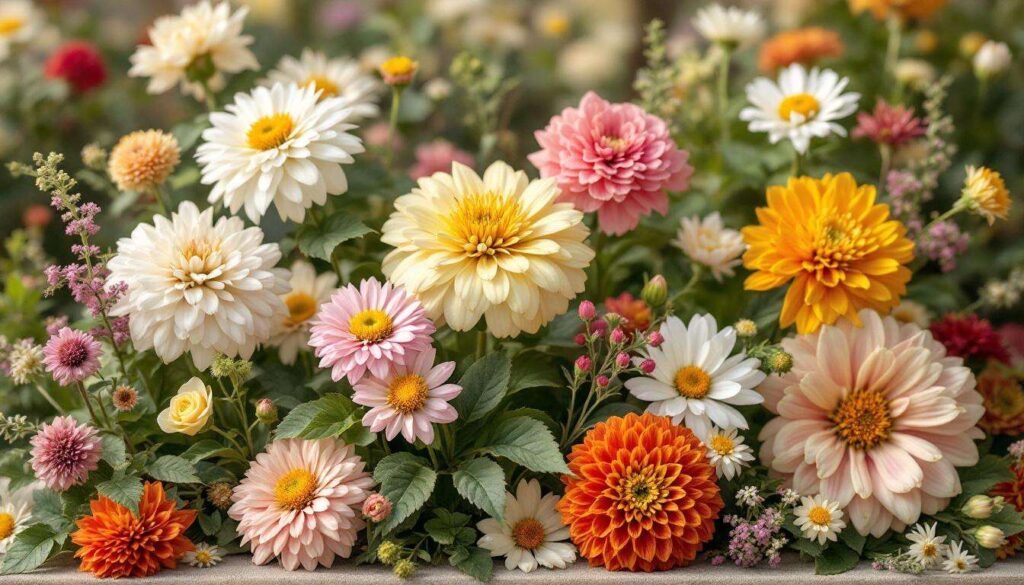
Gardens across the nation are witnessing a remarkable shift as traditional blooms reclaim their place in borders and beds. Horticulturists and amateur gardeners alike are rediscovering the enduring appeal of flowers that graced Victorian gardens and cottage plots for centuries. These heritage varieties offer more than visual beauty; they bring fragrance, resilience, and a connection to gardening traditions that modern hybrids often lack. The movement towards old-fashioned flowers reflects a broader desire for authenticity and sustainability in our green spaces, as gardeners seek plants with proven track records and distinctive character.
Introduction to the revival of old-fashioned flowers
Understanding the heritage flower movement
The renewed interest in heritage blooms stems from multiple factors that resonate with contemporary gardening values. These varieties, cultivated before the era of intensive hybridisation, possess characteristics that modern cultivars have sometimes sacrificed for showiness. Genetic diversity, natural disease resistance, and authentic fragrances distinguish these plants from their newer counterparts. Gardeners are increasingly recognising that older varieties often require less intervention and adapt more readily to local conditions.
Heritage flowers typically fall into several categories:
- Pre-1900 cultivars documented in historical nursery catalogues
- Species roses and original wild-type flowers
- Varieties preserved through cottage garden traditions
- Blooms featured in period paintings and botanical illustrations
The practical benefits of traditional varieties
Beyond nostalgia, old-fashioned flowers offer tangible advantages for modern gardens. Many heritage varieties demonstrate superior hardiness, having survived decades or centuries without the protective measures required by delicate modern hybrids. Their established genetics mean predictable growth patterns and reliable performance season after season. These plants often support pollinator populations more effectively, as their simpler flower structures provide better access to nectar and pollen.
| Characteristic | Heritage Varieties | Modern Hybrids |
|---|---|---|
| Fragrance intensity | Strong, authentic | Often reduced |
| Disease resistance | Naturally robust | Variable |
| Pollinator value | High accessibility | Sometimes limited |
| Maintenance needs | Generally lower | Often higher |
This growing appreciation for traditional blooms naturally leads to specific varieties that experts particularly recommend for contemporary gardens.
Why heritage flowers captivate gardeners in 2026
The authenticity factor in modern gardening
Today’s gardeners increasingly value authenticity in their plant selections, seeking species with genuine historical provenance. This shift reflects broader cultural trends towards sustainability and connection with the past. Heritage flowers provide a tangible link to gardening traditions, allowing enthusiasts to cultivate the same varieties their grandparents might have grown. The stories behind these plants add layers of meaning that mass-produced hybrids cannot replicate.
Environmental considerations driving the trend
Climate concerns have prompted gardeners to reconsider their plant choices. Old-fashioned varieties often prove more adaptable to changing conditions, having evolved through varied weather patterns over extended periods. Their genetic resilience makes them valuable assets in uncertain climatic futures. Many heritage flowers also require fewer chemical inputs, aligning with organic gardening principles that have gained mainstream acceptance.
Key environmental benefits include:
- Reduced water requirements compared to thirsty modern cultivars
- Natural pest resistance minimising pesticide use
- Enhanced biodiversity support through complex flower structures
- Lower carbon footprint from reduced maintenance needs
These compelling reasons explain why specific heritage varieties are experiencing renewed popularity among discerning gardeners.
The old rose: timeless queen of gardens
Varieties that define heritage rose gardening
Old roses encompass numerous classifications, each with distinctive characteristics. Gallica roses, cultivated since ancient times, offer exceptional hardiness and intense fragrance. Damask roses provide the quintessential rose scent that perfumers have prized for centuries. Alba roses, with their elegant pale blooms, thrive in partial shade where modern roses struggle. These varieties demonstrate why old roses remain unmatched for fragrance and garden presence.
Cultivation requirements for heritage roses
Contrary to assumptions, old roses often prove easier to maintain than modern hybrids. Most heritage varieties bloom once annually in a spectacular display, eliminating the need for constant deadheading. Their natural disease resistance reduces reliance on fungicides that modern roses frequently require. Established plants tolerate neglect remarkably well, making them ideal for gardeners seeking beauty without intensive management.
| Rose Type | Bloom Period | Fragrance Level | Hardiness |
|---|---|---|---|
| Gallica | June | Intense | Exceptional |
| Damask | June-July | Very strong | Excellent |
| Alba | June | Moderate | Outstanding |
The success of heritage roses in diverse garden settings has inspired renewed interest in other traditional favourites.
The nostalgic charm of vintage carnations
Rediscovering the border carnation
Border carnations once featured prominently in cottage gardens before falling from fashion. These hardy perennials offer clove-scented blooms in rich colours that modern carnations rarely match. Heritage varieties such as ‘Sops-in-Wine’ and ‘Paisley Gem’ display intricate patterns and markings that contemporary breeding has largely abandoned. Their compact growth suits smaller gardens whilst providing weeks of fragrant flowers.
Growing conditions for traditional carnations
Vintage carnations thrive in well-drained soil with full sun exposure. Unlike modern florist carnations bred for greenhouse production, heritage varieties tolerate outdoor conditions admirably. They require minimal feeding and actually perform better in moderately fertile soil. Regular deadheading extends the flowering season, though even without this attention, they provide reliable summer colour.
These resilient flowers complement other heritage plants beautifully, particularly the luxurious blooms that define early summer gardens.
The resurgence of fragrant peonies
Heritage peony varieties worth cultivating
Old peony cultivars deliver fragrances that modern breeding has often diminished in pursuit of larger blooms. Varieties such as ‘Sarah Bernhardt’ and ‘Duchesse de Nemours’ combine exceptional scent with classic form. These plants establish slowly but reward patience with decades of reliable flowering. Their longevity makes them genuine heirloom plants, passed between generations of gardeners.
Establishing peonies for long-term success
Successful peony cultivation begins with proper planting depth, as buds positioned too deeply fail to flower. Heritage varieties prefer rich, well-drained soil and benefit from autumn planting. Once established, they require minimal intervention beyond occasional division. Their cold hardiness suits temperate climates perfectly, whilst their substantial root systems tolerate drought better than their delicate appearance suggests.
For gardeners seeking more understated charm, smaller heritage flowers offer equally rewarding possibilities.
Growing violets for a retro garden
Sweet violets and their garden applications
Sweet violets once carpeted shaded areas in Victorian gardens, valued for their delicate fragrance and early flowering. These woodland plants naturalise readily, forming attractive groundcover beneath deciduous trees. Their modest flowers belie their historical importance in perfumery and confectionery. Heritage varieties such as ‘Parma violets’ offer double blooms and intensified scent that modern cultivars cannot replicate.
Cultivation techniques for violet success
Violets flourish in partial shade with moisture-retentive soil enriched with organic matter. They spread gradually through runners, creating drifts of foliage punctuated by spring flowers. Regular division maintains vigour whilst providing plants for expansion. Their low maintenance requirements make them ideal for naturalising in areas where more demanding plants struggle.
The collective appeal of these heritage flowers demonstrates that horticultural progress need not mean abandoning the past. Old-fashioned blooms offer modern gardeners fragrance, resilience, and beauty that transcends temporary trends. By incorporating these time-tested varieties, gardeners create spaces that honour tradition whilst meeting contemporary needs for sustainability and reduced maintenance. The revival of heritage flowers represents not mere nostalgia but recognition that proven performers deserve continued cultivation alongside newer introductions.