


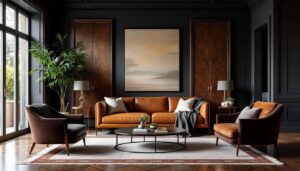
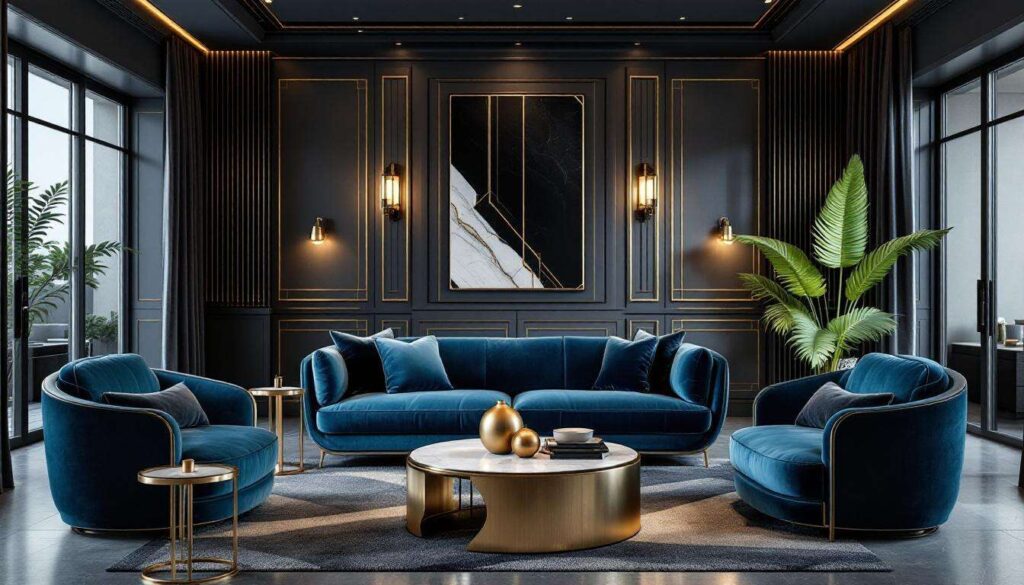
Interior design enthusiasts are witnessing a remarkable resurgence of opulence and sophistication as neo-deco emerges as a defining aesthetic for contemporary homes. This refreshed interpretation of the iconic art deco movement combines geometric precision with luxurious materials, offering homeowners an opportunity to inject glamour into their spaces without undertaking extensive structural changes. The appeal lies in its accessibility: strategic styling choices and carefully selected pieces can transform ordinary rooms into environments that exude elegance and refinement, proving that dramatic visual impact doesn’t necessarily require demolition or construction work.
The revival of art deco style
Historical foundations and modern reinterpretation
The original art deco movement flourished during the 1920s and 1930s, representing an era of optimism, technological advancement, and cultural transformation. Characterised by bold geometric patterns, luxurious materials, and streamlined forms, this design philosophy celebrated craftsmanship whilst embracing modernity. Neo-deco preserves these fundamental principles whilst adapting them for contemporary living, creating a bridge between historical grandeur and present-day functionality.
Today’s interpretation maintains the visual drama of its predecessor but incorporates practical considerations for modern lifestyles. This evolution includes:
- Simplified geometric motifs that complement minimalist sensibilities
- Integration with smart home technology and contemporary lighting solutions
- Sustainable material alternatives that honour traditional aesthetics
- Flexible application suitable for various property types and sizes
Cultural influences driving the trend
The renewed interest in neo-deco reflects broader cultural movements towards maximalism and personal expression in interior spaces. After years dominated by stark minimalism, homeowners increasingly seek visual richness and character. Popular culture, particularly period dramas and luxury brand aesthetics, has reinforced appreciation for the glamorous elements that define this style, making it particularly appealing to those desiring sophistication without sacrificing contemporary comfort.
Understanding these historical roots provides essential context for implementing neo-deco elements effectively within existing spaces.
The key characteristics of neo-deco
Geometric patterns and symmetry
Geometric precision forms the visual foundation of neo-deco design. Unlike organic or flowing patterns, this aesthetic embraces angular shapes, chevrons, sunburst motifs, and stepped forms that create dynamic visual interest. Symmetrical arrangements reinforce the sense of order and intentionality, whether through mirror placement, furniture positioning, or architectural detailing. These patterns appear across multiple scales, from large wall treatments to smaller decorative accessories.
Luxurious textural contrasts
Neo-deco celebrates tactile diversity through deliberate juxtaposition of materials. Smooth, reflective surfaces contrast with plush textiles, creating sensory richness that elevates everyday environments. This approach includes:
- Velvet upholstery paired with polished metal frames
- Lacquered finishes alongside natural stone surfaces
- Glossy ceramics combined with matte metallic accents
- Mirror elements reflecting textured wall treatments
Dramatic lighting as sculptural element
Lighting transcends mere functionality in neo-deco interiors, becoming architectural sculpture that defines spatial character. Statement chandeliers, geometric pendant fixtures, and strategically placed uplighting create atmospheric drama whilst highlighting the style’s signature materials. The interplay between light and reflective surfaces amplifies spatial perception, making rooms feel larger and more dynamic.
These defining characteristics inform practical decisions about incorporating the aesthetic into existing homes.
Incorporating neo-deco without renovation
Strategic furniture placement and selection
Transforming spaces begins with thoughtful furniture choices that embody neo-deco principles without requiring structural alterations. Selecting pieces with clean lines, geometric silhouettes, and luxurious materials immediately establishes the desired aesthetic. A single statement sofa with curved arms and velvet upholstery, or a geometric coffee table with brass detailing, can anchor an entire room’s transformation.
| Room | Key Furniture Piece | Impact Level |
|---|---|---|
| Living Room | Curved velvet sofa with metallic legs | High |
| Dining Area | Geometric dining table with marble top | High |
| Bedroom | Upholstered headboard with channel tufting | Medium |
| Hallway | Console table with mirrored surfaces | Medium |
Textile and soft furnishing updates
Fabrics offer an accessible entry point for introducing neo-deco glamour. Luxurious textiles such as velvet, silk, and satin immediately elevate visual appeal, particularly when featuring geometric patterns or metallic threading. Cushions, throws, curtains, and area rugs provide opportunities for layered sophistication without permanent commitment. Selecting pieces in jewel tones or metallic finishes reinforces the aesthetic whilst remaining easily reversible.
Wall treatments and decorative elements
Walls present significant transformation potential through non-permanent solutions. Removable wallpaper featuring geometric art deco patterns creates dramatic impact without affecting property structure. Alternatively, gallery walls arranged in symmetrical configurations, oversized mirrors with geometric frames, or decorative moulding applied with adhesive backing achieve similar effects. These approaches suit rental properties and commitment-averse homeowners equally well.
The success of these implementation strategies depends heavily on material and colour selections.
Signature materials and colours of neo-deco
Metallic finishes and their applications
Metallic elements constitute essential components of neo-deco styling, providing the reflective qualities and luxurious associations that define the aesthetic. Brass, copper, chrome, and brushed gold appear throughout successful implementations, whether as furniture hardware, lighting fixtures, decorative objects, or architectural detailing. The key lies in consistent application: selecting one or two metallic finishes and repeating them throughout the space creates cohesion rather than confusion.
Rich colour palettes
Neo-deco embraces saturated hues that convey confidence and sophistication. The palette typically includes:
- Deep emerald and forest greens suggesting opulence
- Navy and midnight blues providing dramatic depth
- Burgundy and wine tones adding warmth and richness
- Black and charcoal creating striking contrast
- Cream and ivory offering balanced neutrality
- Metallic golds and silvers providing luminous accents
Luxurious natural materials
Authentic materials reinforce the quality-focused philosophy underlying neo-deco design. Marble, whether genuine or high-quality alternatives, appears in tabletops, accessories, and decorative objects. Polished wood with rich grain patterns, particularly walnut and mahogany, provides warmth whilst maintaining sophistication. Natural stone, lacquered surfaces, and quality glass elements contribute to the layered luxury that characterises successful implementations.
Selecting appropriate furniture and accessories brings these material considerations into practical focus.
Furniture and accessories to prioritise
Statement seating options
Upholstered furniture serves as the foundation for neo-deco interiors, with particular emphasis on pieces that combine comfort with visual drama. Curved sofas and armchairs upholstered in velvet or leather, featuring channel tufting or button detailing, immediately establish the desired aesthetic. Dining chairs with geometric backs or metallic legs transform functional seating into decorative elements that reinforce the overall design language.
Reflective and geometric surfaces
Tables and storage pieces with mirrored panels, lacquered finishes, or geometric inlay work provide essential visual interest. Coffee tables with brass frames and marble tops, sideboards featuring sunburst patterns, and console tables with stepped profiles exemplify furniture that serves dual purposes as functional items and decorative focal points. These pieces catch and reflect light, amplifying the sense of spaciousness and luxury.
Decorative accessories and artwork
Carefully curated accessories complete the neo-deco environment without overwhelming it. Priority items include:
- Geometric vases in metallic or ceramic finishes
- Art deco-inspired mirrors with sunburst or fan motifs
- Table lamps with sculptural bases and fabric shades
- Decorative trays in lacquered or mirrored finishes
- Abstract artwork featuring geometric compositions
- Metallic sculptures or objets d’art with angular forms
These theoretical considerations gain clarity through examination of practical applications.
Examples of successful implementation
Living room transformation
A conventional living space achieves neo-deco sophistication through strategic additions rather than structural changes. Beginning with a deep emerald velvet sofa positioned against a feature wall treated with geometric wallpaper, the room gains immediate visual impact. A brass and marble coffee table anchors the seating area, whilst a statement chandelier with tiered geometric design draws the eye upward. Layered lighting from table lamps with metallic bases and a large sunburst mirror above the sofa create depth and reflection. Accessories in coordinating metallics and jewel tones complete the transformation.
Bedroom styling approach
Bedrooms translate neo-deco principles through restrained elegance that maintains restful qualities. An upholstered headboard with vertical channel tufting in navy velvet establishes the focal point, complemented by bedside tables featuring mirrored drawer fronts. Brass pendant lights replace standard lamps, whilst luxurious bedding in silk and velvet textures adds tactile richness. A geometric area rug in coordinating tones grounds the space, and carefully selected artwork featuring abstract geometric compositions reinforces the aesthetic without creating visual chaos.
Dining area enhancement
Transforming dining spaces demonstrates neo-deco’s versatility across scales. A round marble-topped table with brass pedestal base becomes the centrepiece, surrounded by velvet dining chairs in rich burgundy. An oversized geometric pendant light fixture provides both illumination and sculptural interest. A mirrored bar cart styled with crystal glassware and metallic accessories adds functional glamour, whilst a large mirror with art deco detailing expands perceived space and reflects candlelight during evening meals.
Neo-deco represents an accessible approach to elevating interior environments through deliberate material choices, geometric precision, and luxurious detailing. The aesthetic’s flexibility allows implementation across various scales and budgets, from comprehensive room transformations to subtle accent additions. By prioritising quality over quantity, focusing on signature materials like metals and velvet, and embracing bold geometric patterns, homeowners create spaces that exude sophistication without requiring structural renovation. This design trend proves that glamour remains achievable through thoughtful styling, strategic furniture selection, and appreciation for the enduring appeal of art deco principles adapted for contemporary living.