


Every gardener knows the satisfaction of discovering a clever hack that transforms everyday household items into valuable gardening tools. Cardboard toilet roll tubes, often destined for the recycling bin, possess remarkable properties that can revolutionise your approach to plant cultivation. These humble cylinders offer practical solutions for seed starting, soil improvement, and waste reduction, making them an indispensable resource for both novice and experienced gardeners alike.
The surprising usefulness of toilet rolls for your plants
A carbon-rich addition to your compost system
Toilet roll tubes provide essential carbon content that balances nitrogen-rich materials in compost heaps. The cellulose structure breaks down gradually, creating the ideal brown-to-green ratio that professional composters aim for. When shredded or torn into smaller pieces, these cardboard tubes accelerate decomposition whilst maintaining proper aeration throughout the compost pile.
The moisture-regulating properties of cardboard prove particularly valuable during unpredictable weather conditions. During heavy rainfall, the tubes absorb excess water that might otherwise create anaerobic conditions. Conversely, in dry periods, they release stored moisture, maintaining consistent humidity levels that beneficial microorganisms require for efficient decomposition.
Natural pest deterrent and soil amendment
Beyond composting, toilet rolls serve as effective barriers against common garden pests. When placed around young seedlings, they create physical obstacles that deter slugs and cutworms from reaching tender stems. The cardboard structure also decomposes directly in the soil, enriching it with organic matter whilst improving soil structure and water retention capacity.
| Benefit | Impact on plants | Timeframe |
|---|---|---|
| Carbon addition | Improved compost quality | 2-4 months |
| Moisture regulation | Consistent soil hydration | Ongoing |
| Pest protection | Reduced seedling damage | 4-6 weeks |
Understanding these multifaceted benefits naturally leads to the question of how best to prepare these materials for optimal gardening results.
How to prepare your toilet rolls for gardening
Cleaning and inspection procedures
Proper preparation ensures maximum effectiveness when using toilet rolls in the garden. Begin by inspecting each tube for any adhesive residue, plastic coatings, or printed inks that might contain harmful chemicals. Most standard toilet roll tubes are safe, but some premium brands may include materials unsuitable for direct soil contact.
Remove any remaining paper fragments clinging to the cardboard. Whilst small amounts pose no harm, excessive paper can create moisture pockets that encourage mould growth. Store collected tubes in a dry location until needed, as damp cardboard loses structural integrity and becomes difficult to work with.
Cutting and shaping techniques
Different gardening applications require specific preparation methods. For seed starting, tubes can remain intact or be cut in half to create shorter pots. For composting, tearing or shredding the cardboard increases surface area, accelerating decomposition. Consider these preparation approaches:
- Leave tubes whole for deep-rooted vegetables like carrots and parsnips
- Cut into 5-centimetre sections for shallow-rooted herbs and flowers
- Flatten and layer for weed suppression beneath mulch
- Shred into strips for rapid composting
- Soak briefly in water before planting to soften edges
Once properly prepared, these versatile tubes can be deployed using various proven techniques that suit different gardening needs.
The different methods of using toilet rolls in the garden
Biodegradable seed starting pots
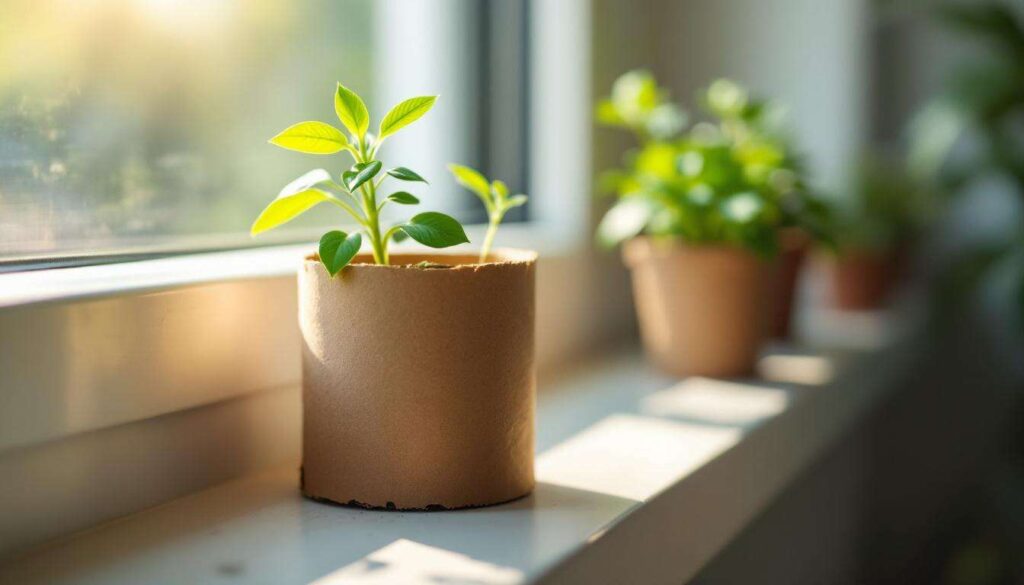
The most popular application involves using toilet rolls as individual seed containers. Fill each tube with seed compost, place one or two seeds at the appropriate depth, and water gently. The cardboard walls provide support whilst allowing roots to penetrate when ready. When transplanting time arrives, simply place the entire tube into the prepared hole, eliminating transplant shock that often stunts growth.
Weed suppression layers
Flattened toilet rolls create effective weed barriers when laid around established plants. This technique, known as sheet mulching, blocks light from reaching weed seeds whilst gradually decomposing to enrich the soil. Layer the flattened tubes in overlapping patterns, then cover with organic mulch for an aesthetically pleasing finish that suppresses unwanted growth for months.
Protective collars for vulnerable seedlings
Cut toilet rolls into 7-centimetre sections and push them 3 centimetres into the soil around newly planted seedlings. These collars form barriers that prevent cutworms and slugs from reaching plant stems during the critical establishment period. The cardboard gradually softens and decomposes, requiring no removal.
| Method | Best suited for | Duration of effectiveness |
|---|---|---|
| Seed pots | Beans, peas, courgettes | 6-8 weeks |
| Weed barriers | Perennial beds, pathways | 4-6 months |
| Protective collars | Brassicas, lettuce, tomatoes | 3-5 weeks |
These diverse applications demonstrate remarkable versatility, yet the specific advantages for young plants deserve closer examination.
Why toilet rolls are beneficial for your seedlings
Root development advantages
Unrestricted root growth represents the primary benefit of using toilet roll pots for seedlings. Unlike plastic containers, cardboard allows roots to penetrate the walls naturally, a process called air pruning that encourages lateral root development. When the entire pot is planted, roots continue growing without circling or becoming pot-bound, establishing robust systems that support vigorous plant growth.
Reduced transplant shock
Traditional transplanting involves removing seedlings from containers, inevitably disturbing delicate root hairs responsible for water and nutrient absorption. Toilet roll pots eliminate this stress entirely. The seamless transition from pot to garden allows plants to continue growing without interruption, often resulting in earlier harvests and stronger plants overall.
Improved soil structure around roots
As the cardboard decomposes, it creates channels and pockets in the surrounding soil that improve aeration and drainage. These structural improvements benefit not only the original plant but also neighbouring vegetation. The decomposition process releases carbon gradually, feeding soil microorganisms that convert organic matter into plant-available nutrients.
- Enhanced mycorrhizal colonisation due to improved soil structure
- Better water infiltration around root zones
- Reduced soil compaction in heavy clay conditions
- Increased earthworm activity attracted by decomposing cardboard
- Natural pH buffering as cellulose breaks down
Maximising these benefits requires implementing certain best practices that experienced gardeners have refined through trial and observation.
Tips to optimise the use of toilet rolls in gardening
Timing and moisture management
Start collecting toilet rolls several months before the growing season begins, ensuring adequate supply when needed. Moisture control proves critical when using cardboard pots. Water seedlings from below by placing tubes in trays rather than watering from above, which can weaken cardboard walls prematurely. Monitor moisture levels carefully, as cardboard pots dry faster than plastic alternatives.
Companion planting strategies
Combine toilet roll seed starting with companion planting principles for enhanced results. Plant complementary species in adjacent tubes, then transplant them together to create beneficial partnerships from the earliest growth stages. This approach establishes symbiotic relationships immediately, maximising pest resistance and nutrient efficiency.
Storage and preparation in advance
Establish a collection system that keeps tubes clean and dry until use. Store them in breathable containers to prevent mould development. Consider these organisational strategies:
- Designate a specific container for collecting tubes throughout the year
- Pre-cut tubes to required lengths during winter months
- Label prepared tubes by size for quick selection during busy planting periods
- Keep a supply of pre-filled tubes ready for succession planting
- Store filled tubes in waterproof trays to prevent base deterioration
These practical approaches not only improve gardening outcomes but also contribute to broader environmental goals that resonate with sustainability-conscious gardeners.
Toilet rolls: an ecological and economical solution for your plants
Waste reduction and circular economy principles
Repurposing toilet rolls exemplifies circular economy thinking by transforming inevitable household waste into valuable gardening resources. Each tube diverted from landfill reduces methane emissions whilst providing tangible benefits in the garden. This simple act of reuse demonstrates how individual choices accumulate into meaningful environmental impact.
Financial savings for gardeners
Commercial seed pots, whether plastic or biodegradable, represent recurring expenses for active gardeners. Toilet rolls eliminate this cost entirely whilst often outperforming purchased alternatives. The savings multiply for gardeners starting large numbers of plants, with typical households generating sufficient tubes to start dozens of seedlings annually at zero cost.
Chemical-free gardening support
Using unbleached cardboard tubes aligns with organic gardening principles by introducing no synthetic materials into growing systems. The natural decomposition process supports soil biology without disrupting microbial communities or introducing contaminants. This purity proves particularly important for gardeners growing edible crops or maintaining certified organic plots.
| Aspect | Toilet rolls | Plastic pots |
|---|---|---|
| Cost per unit | Free | £0.15-£0.40 |
| Environmental impact | Biodegradable, carbon negative | Petroleum-based, persistent waste |
| Reusability | Single use, decomposes beneficially | Multiple uses, eventual disposal required |
| Transplant ease | Plant entire pot, no disturbance | Removal required, root disturbance likely |
Simple household items like toilet roll tubes demonstrate that effective gardening need not rely on expensive equipment or complex techniques. By recognising the potential in everyday materials, gardeners develop resourcefulness whilst reducing environmental impact. The cardboard tubes that once seemed destined for recycling bins now serve multiple purposes, from nurturing delicate seedlings to enriching compost and protecting vulnerable plants. This approach combines practical benefits with ecological responsibility, proving that sustainable gardening solutions often hide in plain sight. Whether starting a few herbs on a windowsill or managing extensive vegetable plots, incorporating toilet rolls into gardening routines offers tangible improvements in plant health, soil quality, and household waste reduction.