


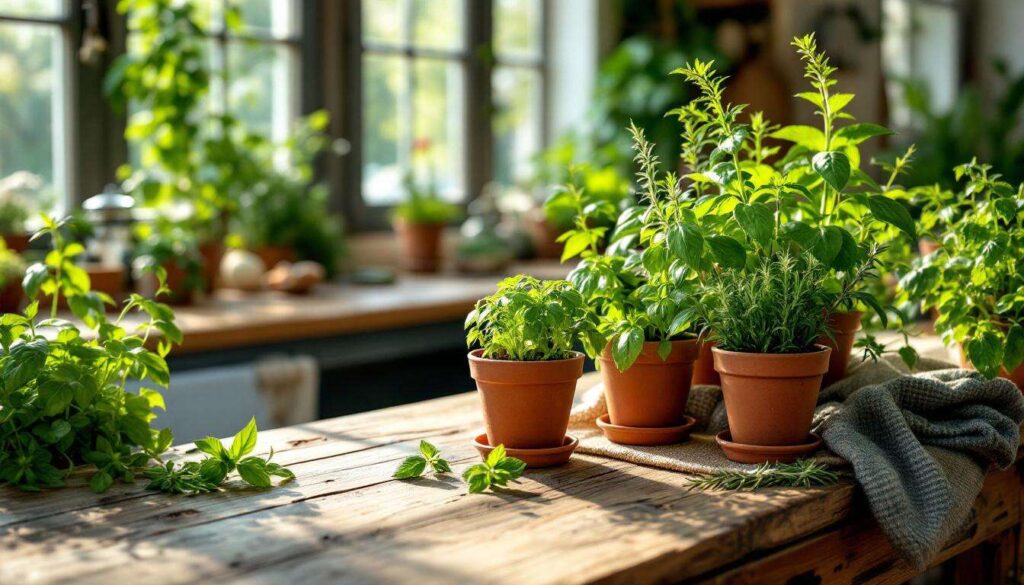
Growing fresh herbs on your kitchen windowsill transforms everyday cooking whilst providing a rewarding connection to nature. With careful selection and proper care, an indoor herb garden offers year-round access to aromatic flavours that elevate meals and contribute to a healthier lifestyle. Expert guidance reveals the essential steps to establish and maintain a thriving collection of culinary plants within your home environment.
Choosing the best herbs for an indoor garden
Understanding which varieties thrive indoors
Selecting the right herbs forms the foundation of a successful indoor garden. Not all varieties adapt equally well to indoor conditions, making informed choices crucial for beginners and experienced gardeners alike. Experts recommend focusing on herbs that tolerate lower light levels and confined root systems.
- Basil: thrives with abundant light and warmth, producing fragrant leaves ideal for Mediterranean dishes
- Mint: remarkably adaptable and vigorous, requiring minimal attention whilst spreading rapidly
- Rosemary: demands bright conditions but rewards with woody stems and aromatic needles
- Parsley: tolerates moderate light and provides continuous harvests throughout the year
- Chives: hardy and undemanding, offering mild onion flavour with attractive purple blooms
- Thyme: compact growth habit suits small spaces whilst delivering intense flavour
Matching herbs to your experience level
Beginners should prioritise easy-to-grow varieties that forgive occasional neglect. Mint and chives demonstrate remarkable resilience, whilst basil and parsley offer quick results that encourage continued cultivation. More challenging herbs like rosemary and thyme require consistent attention to watering and light exposure but reward patient gardeners with robust flavour profiles.
Starting with three to five different varieties prevents overcrowding whilst allowing you to develop care routines tailored to each plant’s requirements. This measured approach builds confidence and knowledge before expanding your collection.
Understanding these fundamental selection principles prepares you to create the optimal environment for your chosen herbs.
Ideal conditions: light, warmth and humidity
Maximising natural and artificial light
Light represents the most critical factor for indoor herb success. Most culinary herbs originate from Mediterranean climates, requiring substantial sunlight to produce the essential oils that deliver their characteristic flavours and aromas. South-facing windows provide optimal exposure in the northern hemisphere, delivering approximately six to eight hours of direct sunlight daily.
When natural light proves insufficient, particularly during winter months, supplemental grow lights become essential. LED grow lights offer energy-efficient solutions, positioned 15 to 30 centimetres above plant foliage and operated for 12 to 16 hours daily to compensate for reduced daylight hours.
Temperature and humidity requirements
Maintaining stable temperatures between 13°C and 21°C creates comfortable conditions for most herbs. Avoid positioning plants near heating vents, radiators or draughty windows that cause temperature fluctuations. These variations stress plants, reducing growth rates and flavour intensity.
| Herb | Optimal temperature | Humidity preference |
|---|---|---|
| Basil | 18°C to 24°C | Moderate to high |
| Rosemary | 15°C to 21°C | Low to moderate |
| Mint | 13°C to 21°C | Moderate to high |
| Thyme | 16°C to 21°C | Low |
Indoor environments typically feature lower humidity than herbs prefer. Grouping plants together creates a microclimate with elevated moisture levels through collective transpiration. Alternatively, placing containers on trays filled with pebbles and water increases ambient humidity without waterlogging roots.
With environmental conditions optimised, attention turns to the physical materials supporting plant growth.
Essential equipment for growing herbs indoors
Selecting appropriate containers
Container choice significantly influences plant health and longevity. Drainage holes remain non-negotiable, preventing water accumulation that causes root rot. Terracotta pots offer excellent breathability, allowing soil to dry between waterings, whilst plastic containers retain moisture longer, suiting herbs that prefer consistent dampness.
Size matters considerably: containers measuring 15 to 20 centimetres in diameter accommodate most herbs adequately. Larger specimens like rosemary benefit from 25-centimetre pots that support extensive root systems.
Soil and growing medium essentials
Standard garden soil proves too dense for container cultivation. Purpose-formulated potting compost provides the lightweight, well-draining structure herbs require. Quality mixes contain peat alternatives, perlite or vermiculite for aeration, and slow-release fertilisers supporting initial growth.
- Multi-purpose compost: suitable for most herbs with moderate drainage needs
- Mediterranean herb mix: enhanced drainage for rosemary, thyme and oregano
- Peat-free alternatives: environmentally conscious options using coir or composted bark
Additional tools and accessories
A modest collection of equipment streamlines maintenance tasks. Small watering cans with narrow spouts direct water precisely to soil surfaces, avoiding foliage that encourages fungal diseases. Plant labels prevent confusion when multiple varieties share similar appearances during early growth stages. Wooden stakes or recycled lollipop sticks serve this purpose effectively.
Sharp scissors or pruning shears facilitate clean cuts when harvesting, promoting vigorous regrowth. A spray bottle enables gentle misting for humidity-loving varieties without saturating soil.
Armed with proper equipment, the next stage involves establishing your plants through various propagation methods.
Planting seeds, transplants or cuttings
Starting from seed
Growing herbs from seed offers maximum variety and proves economical for large collections. Sow seeds in small pots or seed trays filled with moist seed compost, covering lightly according to packet instructions. Most herb seeds germinate within one to three weeks when maintained at appropriate temperatures with consistent moisture.
Basil, parsley and coriander establish readily from seed, whilst slower-growing varieties like rosemary test patience. Thin seedlings to prevent overcrowding once true leaves develop, transplanting strongest specimens to individual containers.
Transplanting shop-bought herbs
Supermarket herbs provide instant gratification but require immediate attention. These plants typically grow densely packed in small pots with depleted soil. Repotting within days of purchase dramatically improves survival rates and vigour.
Gently separate root-bound plants into smaller clumps, replanting each division in fresh compost within appropriately sized containers. This process reduces competition for nutrients and light whilst encouraging robust root development.
Propagating from cuttings
Many herbs propagate successfully from stem cuttings, offering a cost-effective expansion method. Select healthy, non-flowering shoots approximately 10 centimetres long, removing lower leaves before inserting into moist compost or water. Roots typically develop within two to four weeks, after which cuttings transfer to permanent containers.
Mint, basil and rosemary respond particularly well to this technique, producing genetically identical plants that maintain desirable characteristics from parent specimens.
Once established, herbs require consistent care routines to maintain productivity throughout the year.
Maintenance routine: watering, pruning and harvesting
Watering practices for healthy growth
Proper watering represents the most challenging aspect of indoor herb cultivation. Overwatering causes more failures than any other factor, suffocating roots and promoting fungal diseases. Test soil moisture by inserting a finger two centimetres deep: water only when this layer feels dry to the touch.
Herbs prefer thorough soaking that drains freely rather than frequent light sprinklings. Water until excess flows from drainage holes, then empty saucers to prevent roots sitting in standing water. Requirements vary seasonally, with plants consuming less during winter’s reduced light and cooler temperatures.
Pruning techniques that encourage bushiness
Regular pruning transforms leggy, sparse plants into compact, productive specimens. Pinch out growing tips frequently, removing the top pair of leaves on each stem. This technique stimulates lateral branching, creating fuller plants with increased harvesting potential.
Remove any flowering stems promptly unless saving seeds, as flowering redirects energy from leaf production whilst altering flavour profiles. Woody herbs like rosemary benefit from light trimming that maintains shape without cutting into old wood, which regenerates slowly.
Harvesting for continuous production
Strategic harvesting maintains plant health whilst providing fresh ingredients. Never remove more than one-third of a plant’s foliage at once, allowing sufficient leaf area for photosynthesis and recovery. Harvest during morning hours when essential oil concentrations peak, delivering maximum flavour intensity.
- Cut stems just above leaf nodes to encourage branching
- Use sharp, clean tools to prevent tissue damage and disease transmission
- Harvest outer leaves first on parsley and similar herbs, allowing centres to continue producing
- Collect regularly rather than waiting for substantial growth, promoting continuous production
Despite attentive care, problems occasionally arise requiring prompt identification and intervention.
Troubleshooting common problems in an indoor garden
Identifying and addressing pest infestations
Indoor herbs occasionally attract pests despite protected environments. Aphids, spider mites and whiteflies represent the most common culprits, weakening plants through sap extraction. Regular inspection of leaf undersides enables early detection when populations remain manageable.
Address minor infestations by washing foliage with lukewarm water or applying insecticidal soap formulated for edible plants. Neem oil provides organic control for persistent problems, though thorough rinsing before consumption remains essential.
Recognising nutrient deficiencies and diseases
Yellowing leaves indicate various issues requiring careful diagnosis. Overall yellowing suggests nitrogen deficiency, remedied through liquid fertiliser applications every four to six weeks during active growth. Lower leaf yellowing whilst upper growth remains green typically signals natural aging or insufficient light rather than nutritional problems.
Fungal diseases manifest as grey mould, powdery coatings or dark spots on foliage. These conditions thrive in stagnant air and excessive moisture. Improve air circulation, reduce watering frequency and remove affected leaves promptly to prevent spread.
Solving growth and development issues
| Problem | Likely cause | Solution |
|---|---|---|
| Leggy, pale growth | Insufficient light | Relocate to brighter position or add grow lights |
| Wilting despite moist soil | Root rot from overwatering | Reduce watering frequency, improve drainage |
| Brown leaf tips | Low humidity or salt accumulation | Increase humidity, flush soil with water |
| Slow growth | Nutrient depletion or root binding | Apply fertiliser or repot into larger container |
Persistent problems often trace back to environmental conditions rather than diseases or pests. Reassessing light exposure, temperature stability and watering practices resolves most difficulties when adjustments align with specific herb requirements.
Establishing an indoor herb garden delivers fresh flavours and aromatic satisfaction throughout the year. Success depends on selecting appropriate varieties, providing adequate light and maintaining consistent care routines. Beginning with easy-to-grow herbs builds confidence whilst proper equipment and environmental conditions support healthy development. Regular harvesting and attentive troubleshooting ensure productive plants that enhance culinary creations regardless of outdoor weather conditions.