


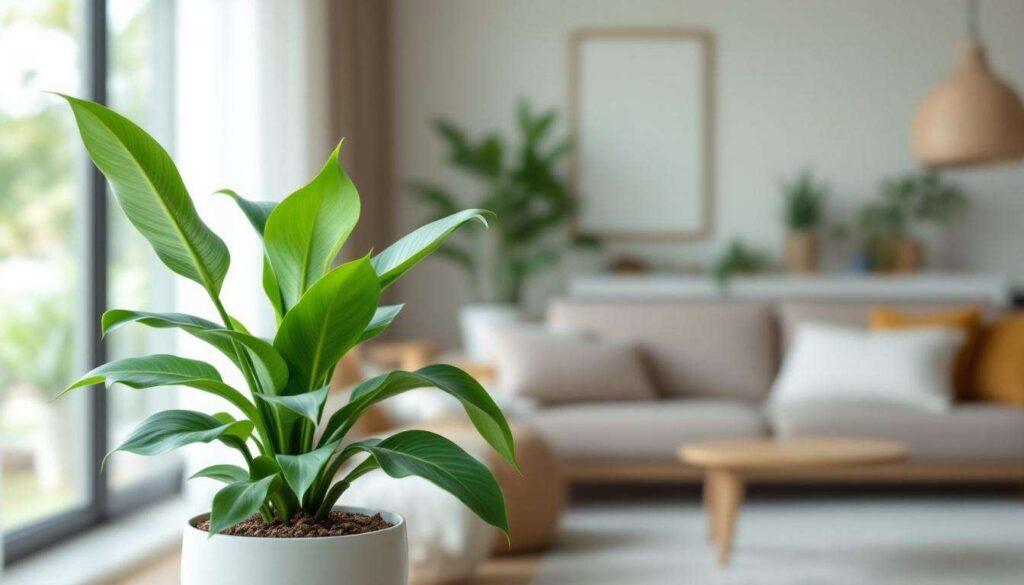
Snake plants have earned their reputation as one of the most forgiving houseplants available, yet even these hardy specimens benefit from a simple care practice that many owners overlook. Understanding the full spectrum of care requirements, from the basics to the often-forgotten details, can transform a surviving plant into a thriving centrepiece that adds architectural interest to any interior space throughout the seasons.
Why are sansevierias so popular ?
Resilience and adaptability
Sansevierias have become a staple in homes and offices worldwide due to their remarkable tolerance for neglect and challenging conditions. These plants originate from arid regions of West Africa, where they evolved to withstand drought, poor soil quality, and fluctuating temperatures. This evolutionary background translates into a houseplant that can survive in low-light corners, tolerate irregular watering schedules, and adapt to various indoor environments without complaint.
Aesthetic appeal and versatility
The architectural quality of snake plant foliage makes them particularly attractive for modern interior design. Their upright, sword-like leaves create vertical interest and work well in spaces ranging from minimalist contemporary settings to more traditional décor schemes. The variety of cultivars available offers options for every taste:
- Variegated forms with yellow or white striping
- Compact varieties suitable for small spaces
- Cylindrical leaf types for unique visual impact
- Dark green specimens that provide bold contrast
Air-purifying qualities
Beyond their decorative value, sansevierias contribute to improved indoor air quality by removing harmful substances such as formaldehyde and benzene from the atmosphere. This practical benefit, combined with their low-maintenance nature, makes them an ideal choice for bedrooms, offices, and living areas where cleaner air supports wellbeing and productivity.
Despite these advantages, maximising the health and appearance of your sansevieria requires attention to one frequently neglected aspect of care.
The often overlooked tip: rotating the plant
Understanding phototropism
Plants naturally grow towards their light source, a phenomenon known as phototropism. When a snake plant remains in the same position for extended periods, the leaves gradually lean towards the window or light fixture, resulting in an asymmetrical appearance that diminishes the plant’s architectural appeal. This uneven growth pattern can become pronounced over time, with one side developing more vigorously than the other.
The rotation technique
Rotating your sansevieria regularly ensures that all sides of the plant receive equal light exposure, promoting balanced growth and maintaining the upright form that makes these plants so visually striking. The process is straightforward:
- Turn the pot a quarter turn every fortnight during spring and summer
- Rotate monthly during autumn and winter when growth slows
- Mark the pot with tape or a marker to track rotation direction
- Combine rotation with your regular watering schedule as a reminder
Benefits of consistent rotation
This simple practice yields multiple benefits beyond aesthetic symmetry. Even light distribution encourages uniform leaf development, preventing weak or etiolated growth on the shadier side of the plant. Rotation also allows you to inspect all sides of your sansevieria regularly, making it easier to spot potential issues such as pest infestations or disease symptoms before they become serious problems.
Whilst rotation addresses light distribution, other fundamental care practices work in concert to maintain optimal plant health.
Additional care for optimal health
Watering practices
The most critical aspect of sansevieria care involves restraint with watering. These succulents store water in their thick leaves and require the soil to dry completely between waterings. During active growth periods, water every two to four weeks, checking that the top five centimetres of soil are thoroughly dry before adding moisture. In cooler months, extend this interval to four to six weeks.
Soil and drainage requirements
A well-draining substrate prevents the root rot that proves fatal to many snake plants. Create an ideal growing medium by combining:
- Two parts quality potting compost
- One part perlite for aeration
- One part coarse sand or grit for drainage
Ensure pots have adequate drainage holes, and never allow the plant to sit in water-filled saucers, as saturated roots quickly succumb to fungal infections.
Feeding schedule
Sansevierias are not heavy feeders, requiring minimal fertilisation to maintain health. Apply a diluted liquid fertiliser monthly during spring and summer when growth is active. Choose a balanced formulation or one designed for succulents, and always apply to moist soil to prevent root burn. Cease feeding entirely during autumn and winter when the plant enters dormancy.
| Season | Watering frequency | Fertilisation |
|---|---|---|
| Spring | Every 2-3 weeks | Monthly |
| Summer | Every 2-4 weeks | Monthly |
| Autumn | Every 4-5 weeks | None |
| Winter | Every 5-6 weeks | None |
Maintaining clean foliage enhances both the plant’s appearance and its ability to photosynthesise efficiently.
The steps for cleaning sansevieria leaves
Why leaf cleaning matters
Dust accumulation on sansevieria leaves blocks light absorption and can harbour pests, reducing the plant’s vigour and visual appeal. The broad, flat leaves of most varieties act as dust magnets, particularly in homes with poor air circulation or high traffic areas. Regular cleaning maintains the plant’s lustrous appearance and supports optimal photosynthesis.
Proper cleaning method
Clean your sansevieria leaves every four to six weeks using this gentle approach:
- Dampen a soft microfibre cloth with lukewarm water
- Support each leaf from beneath with one hand
- Wipe gently from base to tip, following the leaf’s natural direction
- Use a dry cloth to remove excess moisture
- Inspect for pests or damage whilst cleaning
What to avoid
Never use leaf shine products on sansevierias, as these can clog the stomata and interfere with gas exchange. Avoid harsh chemicals, cold water, or abrasive materials that might damage the protective cuticle layer. For heavily soiled plants, a weak solution of diluted washing-up liquid can be used occasionally, followed by thorough rinsing with clean water.
As the seasons change, your sansevieria’s requirements shift subtly, demanding adjusted care approaches.
Seasonal considerations for the sansevieria
Spring awakening
Spring signals the beginning of active growth, making it the ideal time for repotting if your plant has outgrown its container. Choose a pot only one to two sizes larger than the current one, as excessive soil volume retains too much moisture. This season also marks the resumption of monthly fertilisation and a gradual increase in watering frequency as temperatures rise and growth accelerates.
Summer maintenance
During summer months, monitor your sansevieria for signs of heat stress if positioned near windows that receive intense afternoon sun. Whilst these plants tolerate bright light, prolonged exposure to scorching rays can cause leaf discolouration. Maintain consistent watering as the soil dries more quickly in warm conditions, but continue to err on the side of underwatering rather than overwatering.
Autumn preparation
As daylight hours diminish and temperatures cool, gradually reduce watering frequency. This is not the time for repotting or propagation, as the plant begins to slow its metabolic processes. Cease fertilisation by early autumn to allow the plant to prepare for its winter rest period naturally.
Winter dormancy
Winter presents the greatest risk for overwatering, as cool temperatures and reduced light significantly slow growth. Water sparingly, only when the soil is completely dry throughout the pot. Protect plants from cold draughts and ensure temperatures remain above 10°C, as frost damage can be fatal. Position plants away from radiators, which create excessively dry air.
Even with attentive care, sansevierias occasionally develop problems that require prompt attention.
Solving common sansevieria problems
Yellowing or mushy leaves
This symptom almost always indicates overwatering or poor drainage. Remove affected leaves at the base with clean, sharp scissors. Allow the soil to dry completely before watering again, and consider repotting into fresh, well-draining compost if root rot is suspected. Reduce watering frequency going forward.
Brown leaf tips
Crispy brown tips typically result from inconsistent watering, low humidity, or fluoride in tap water. Whilst sansevierias tolerate dry air, extremely arid conditions can cause tip damage. Use filtered or rainwater if your tap water contains high levels of chemicals, and trim damaged tips with clean scissors at an angle to maintain a natural appearance.
Pest infestations
Though relatively pest-resistant, sansevierias can occasionally host spider mites or mealybugs. Address infestations promptly:
- Isolate affected plants to prevent spread
- Wipe leaves with a cloth dampened in diluted neem oil solution
- Spray thoroughly, including leaf undersides
- Repeat treatment weekly until pests are eliminated
Slow or stunted growth
If your sansevieria shows minimal growth despite proper care, it may be rootbound or suffering from insufficient light. Check whether roots are circling the pot’s interior or emerging from drainage holes. Increase light exposure gradually, and consider repotting during the growing season if the plant has outgrown its container.
Snake plants reward minimal effort with maximum impact, thriving for years with basic attention to their modest needs. The key to maintaining a healthy, symmetrical specimen lies in regular rotation combined with appropriate watering, proper soil composition, and seasonal adjustments to care routines. By incorporating these straightforward practices, particularly the often-forgotten rotation technique, your sansevieria will maintain its striking architectural form and continue to enhance your living space with its bold presence and air-purifying benefits throughout every season.