



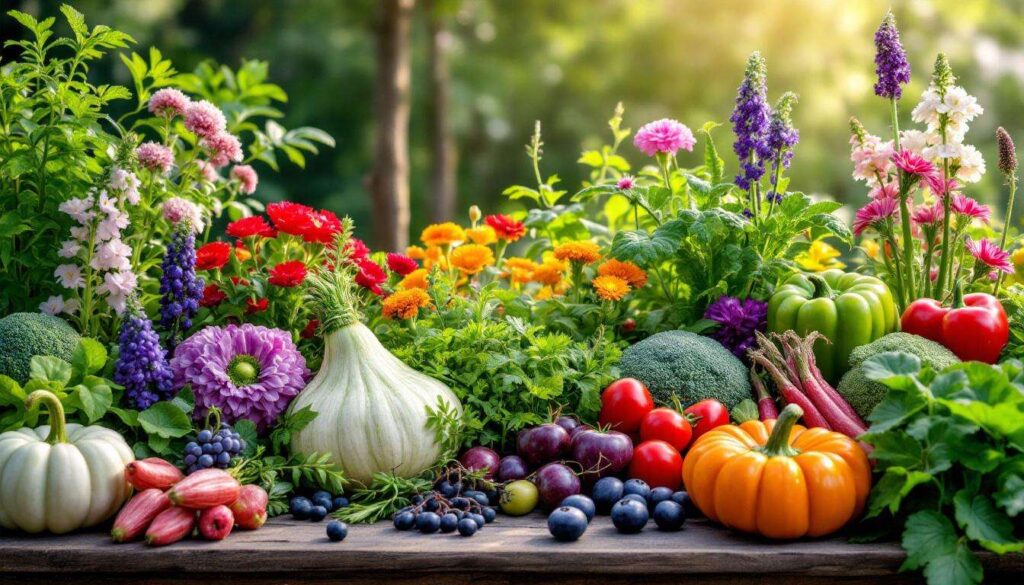
Gardens have long served dual purposes, offering both aesthetic pleasure and practical sustenance. The concept of edimentals bridges this divide seamlessly, transforming outdoor spaces into productive yet visually stunning landscapes. As homeowners increasingly seek sustainable solutions that maximise space whilst reducing food miles, the marriage of ornamental beauty with edible productivity has emerged as a compelling approach to modern gardening. This philosophy challenges traditional boundaries between flower beds and vegetable patches, proving that functionality need not compromise visual appeal.
Origin and definition of edimentals
The etymology and conceptual framework
The term edimental combines edible and ornamental, creating a portmanteau that perfectly encapsulates this gardening philosophy. Coined in the early 2000s, the concept gained traction as gardeners began questioning the artificial separation between decorative and productive plants. This movement represented a return to historical gardening practices where kitchen gardens naturally incorporated beauty alongside bounty.
Historical context of edible landscaping
The practice of combining edible and ornamental plants dates back centuries:
- Medieval monastery gardens featured herbs that served medicinal, culinary, and decorative purposes
- French potagers elegantly arranged vegetables in geometric patterns
- Victorian cottage gardens mixed flowers, fruits, and vegetables without distinction
- Wartime victory gardens demonstrated that productive spaces could maintain aesthetic appeal
Modern edimentals build upon these traditions whilst addressing contemporary concerns about sustainability, food security, and urban space constraints. Understanding these foundations helps gardeners appreciate how this trend connects past wisdom with future-focused solutions.
The benefits of edimentals for food
Nutritional advantages and freshness
Growing edimentals provides unparalleled access to fresh produce at peak nutritional value. Vegetables and fruits lose nutrients rapidly after harvest, but plants picked moments before consumption retain maximum vitamins, minerals, and beneficial compounds. This proximity eliminates the degradation that occurs during transport and storage in commercial supply chains.
Economic and environmental impacts
| Benefit category | Impact |
|---|---|
| Cost savings | Reduction of grocery bills by 15-30% for regular growers |
| Carbon footprint | Elimination of transport emissions from farm to table |
| Pesticide exposure | Complete control over chemical usage and organic practices |
| Food waste | Harvest only what’s needed, reducing spoilage |
Culinary diversity and experimentation
Edimentals enable gardeners to cultivate unusual varieties rarely available commercially. Heirloom tomatoes, purple cauliflowers, and specialty herbs expand culinary possibilities whilst adding striking visual elements to gardens. This diversity encourages adventurous cooking and introduces families to broader flavour profiles. These practical advantages naturally lead to considerations about implementation strategies for home gardeners.
Integrating edimentals into your garden
Design principles for successful integration
Creating an effective edimental garden requires thoughtful planning that balances aesthetics with productivity. Consider height variations, colour combinations, and seasonal interest when selecting plants. Place taller specimens like runner beans on decorative supports as backdrop features, whilst lower-growing herbs and salad leaves form attractive borders.
Container and small-space solutions
Limited space need not constrain edimental ambitions. Container gardening offers flexibility for:
- Balconies and patios where traditional beds aren’t feasible
- Mobility to optimise sun exposure throughout seasons
- Soil quality control in areas with poor native earth
- Vertical gardening using wall-mounted planters and trellises
Companion planting strategies
Strategic plant partnerships enhance both beauty and productivity. Marigolds deter pests whilst providing vibrant colour, nasturtiums attract beneficial insects and offer edible flowers, and lavender combines fragrance with pollinator support. These relationships create self-supporting ecosystems that reduce maintenance requirements whilst maximising visual impact. With design principles established, attention turns to specific plant selections that exemplify the edimental approach.
Must-have edimental plants in 2026
Ornamental vegetables with striking appearance
Several vegetables offer exceptional visual appeal alongside culinary value. Rainbow chard displays brilliant stems in yellow, orange, pink, and red that rival any ornamental foliage. Purple-podded peas provide stunning colour contrasts, whilst artichokes produce architectural silver-grey leaves and dramatic purple flowers. Kale varieties now include frilly types and deep burgundy cultivars that function as focal points in mixed borders.
Edible flowers and herbs
Flowering edibles serve multiple purposes simultaneously:
- Borage produces star-shaped blue flowers perfect for salads and cocktails
- Calendula offers bright orange blooms with medicinal properties
- Society garlic provides delicate purple flowers and garlic-flavoured leaves
- Rosemary combines evergreen structure with culinary utility
Fruit-bearing ornamentals
Fruit plants increasingly feature in decorative schemes. Blueberry bushes provide spring flowers, summer fruit, and autumn foliage colour. Alpine strawberries edge paths attractively whilst producing small, intensely flavoured berries. Fig trees offer bold architectural leaves and delicious fruit in temperate climates. These selections require appropriate care to reach their full potential.
Tips for maintaining your edimentals
Soil health and nutrition management
Productive edimentals demand nutrient-rich soil maintained through regular additions of compost and organic matter. Test soil pH annually and amend accordingly, as most edibles prefer slightly acidic to neutral conditions. Mulching conserves moisture, suppresses weeds, and gradually improves soil structure as organic materials decompose.
Watering and pest management
Consistent moisture proves essential for both appearance and productivity. Install drip irrigation or soaker hoses to deliver water efficiently whilst minimising disease risks associated with overhead watering. For pest control, employ integrated approaches that prioritise prevention:
- Encourage beneficial insects through diverse plantings
- Use physical barriers like netting for vulnerable crops
- Hand-pick larger pests during regular inspections
- Apply organic treatments only when necessary
Seasonal care and succession planting
Maintain year-round interest through strategic succession planting. As spring crops finish, replace them with summer varieties, then transition to autumn and winter edibles. This rotation ensures continuous harvests whilst preventing soil depletion. Deadhead flowers regularly to prolong blooming periods and redirect energy toward new growth. These maintenance practices support broader shifts occurring within the gardening community.
Future trends in edimentals and impact on gardening
Technological innovations supporting edimentals
Emerging technologies facilitate edimental gardening through smart irrigation systems that respond to weather conditions, soil sensors that monitor nutrient levels, and mobile applications identifying pests and diseases. LED grow lights enable year-round cultivation in previously unsuitable locations, extending the edimental concept to indoor environments and vertical farms.
Community and urban agriculture movements
Edimentals increasingly feature in public spaces and community initiatives. Municipal authorities incorporate edible landscaping into parks and streetscapes, demonstrating productive beauty at scale. Community gardens adopt edimental principles to maximise limited space whilst creating welcoming environments. These visible examples inspire residential gardeners and normalise food production in urban settings.
Climate adaptation and resilience
As climate patterns shift, edimentals offer adaptive advantages. Diverse plantings spread risk across multiple species, ensuring some productivity despite weather extremes. Heritage varieties often possess resilience traits bred out of commercial cultivars. The flexibility to adjust plantings seasonally allows gardeners to respond to changing conditions whilst maintaining both beauty and food production.
The edimental approach represents a fundamental shift in how we conceptualise gardens, dissolving artificial boundaries between ornamental and productive spaces. By selecting plants that offer visual appeal alongside nutritional value, gardeners create landscapes that satisfy multiple needs simultaneously. The benefits extend beyond individual households, contributing to environmental sustainability, food security, and community resilience. As climate challenges intensify and urban populations grow, edimentals provide practical solutions that enhance rather than compromise quality of life. This gardening philosophy honours historical traditions whilst embracing modern innovations, proving that beauty and utility need not exist in opposition but can flourish together in harmonious, productive landscapes.