


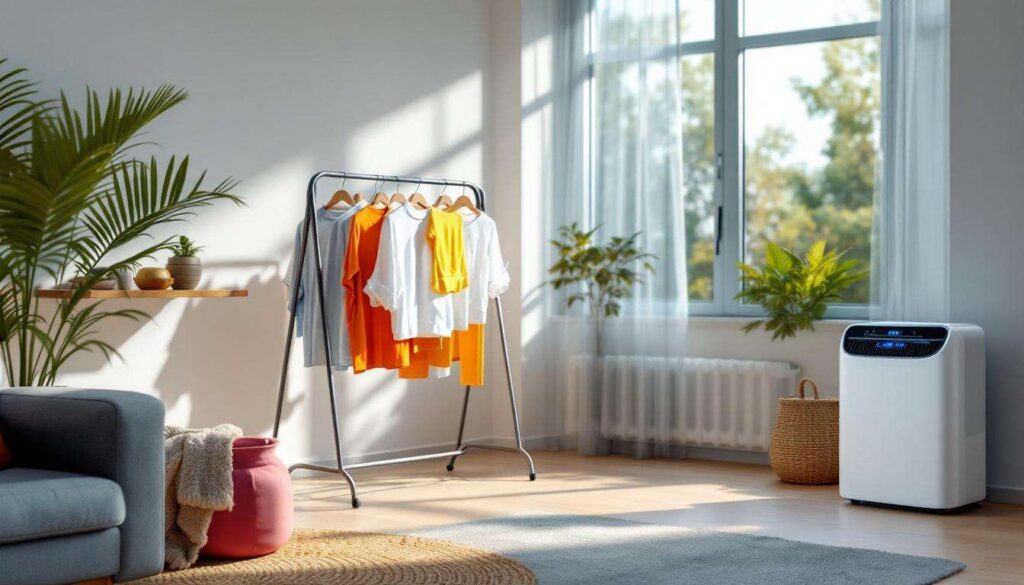
Drying laundry indoors might seem like a harmless convenience, particularly during colder months when outdoor drying becomes impractical. However, research reveals that a typical household can release approximately 50 litres of moisture into the air each week through this common practice. This substantial volume of water vapour doesn’t simply disappear; it saturates the indoor environment, creating conditions that encourage mould growth, structural damage, and potential health complications. Understanding the implications of indoor drying and implementing effective strategies can protect both property and wellbeing whilst maintaining the practicality of managing household laundry.
Understanding the impact of indoor drying on humidity
The science behind moisture release
When wet clothing dries indoors, water evaporates from the fabric and disperses throughout the room. A single load of washing typically contains between two and four litres of water after spinning, depending on machine efficiency and fabric type. This moisture must go somewhere, and in enclosed spaces, it becomes trapped within the home’s atmosphere. The rate of evaporation depends on several factors including room temperature, air circulation, and existing humidity levels.
Measuring humidity levels
Indoor humidity is measured as relative humidity (RH), expressed as a percentage. Optimal indoor humidity ranges between 40% and 60%, creating comfortable conditions whilst preventing condensation and mould growth. The following table illustrates how indoor drying affects these levels:
| Scenario | Typical RH Level | Risk Assessment |
|---|---|---|
| Normal conditions | 45-55% | Low risk |
| One load drying indoors | 65-75% | Moderate risk |
| Multiple loads drying | 75-85% | High risk |
These elevated moisture levels create an environment where condensation forms on cold surfaces such as windows, walls, and ceilings. Understanding these measurements helps homeowners recognise when intervention becomes necessary, leading naturally to consideration of the specific dangers that excessive humidity presents.
The risks associated with excess humidity in the home
Health implications
Elevated indoor humidity creates ideal conditions for mould spores and dust mites to proliferate. These biological contaminants pose significant health risks, particularly for vulnerable individuals. The consequences include:
- Respiratory problems including asthma exacerbation and chronic coughing
- Allergic reactions manifesting as skin irritation, watery eyes, and sneezing
- Increased susceptibility to respiratory infections
- Aggravation of existing conditions such as bronchitis
Structural and aesthetic damage
Beyond health concerns, persistent dampness compromises the integrity of building materials. Condensation penetrates plaster, wallpaper, and wooden fixtures, causing discolouration, peeling, and rot. Black mould patches frequently appear in corners, behind furniture, and around window frames. These issues require costly remediation and can significantly decrease property value. Addressing these risks requires examining how different drying approaches contribute to or mitigate moisture problems.
Traditional drying methods: advantages and disadvantages
Outdoor line drying
The traditional clothesline remains the most environmentally friendly option, requiring no energy consumption whilst eliminating indoor moisture concerns entirely. Fresh air and sunlight provide natural disinfection and pleasant fragrance. However, this method depends entirely on weather conditions and proves impractical during winter months, rainy periods, or for households without outdoor space.
Tumble dryers
Mechanical dryers offer speed and convenience regardless of weather conditions. Modern condenser and heat pump models capture moisture rather than venting it indoors. The disadvantages include:
- High energy consumption increasing household bills
- Fabric wear from heat and tumbling action
- Unsuitable for delicate items requiring gentle care
- Significant initial purchase cost
Indoor drying racks
Freestanding drying racks provide an economical alternative requiring no energy and accommodating delicate garments. They’re portable and require minimal storage space. However, without proper precautions, they introduce the very moisture problems discussed earlier, releasing substantial humidity into living spaces. Recognising these limitations points towards solutions that combine indoor convenience with effective moisture management.
Avoiding damp: effective solutions for indoor drying
Strategic placement and ventilation
When indoor drying becomes necessary, location selection proves crucial. Position drying racks in well-ventilated areas, preferably near open windows or in rooms with extractor fans. Bathrooms with mechanical ventilation offer suitable environments, as moisture extraction systems already exist. Avoid bedrooms and living areas where prolonged exposure to humidity affects comfort and health.
Maximising airflow
Creating cross-ventilation accelerates drying whilst dispersing moisture outdoors. Opening windows on opposite sides of a room establishes air currents that carry humidity away. During colder months, even brief ventilation periods make substantial differences. Ceiling fans or portable fans directed towards drying laundry enhance evaporation rates significantly.
Reducing initial moisture content
The following strategies minimise the water requiring evaporation:
- Use the highest spin speed appropriate for fabric types
- Run an additional spin cycle for heavy items like towels
- Separate lightweight and heavyweight items for more efficient spinning
- Wring items gently by hand before hanging
These practical approaches reduce moisture introduction, yet technology offers additional solutions specifically designed to manage indoor humidity levels.
Dehumidifiers: a technological response to damp problems
How dehumidifiers function
Dehumidifiers extract moisture from air through refrigeration or desiccant processes. Refrigerant models cool air below its dew point, causing water vapour to condense and collect in a reservoir. Desiccant versions absorb moisture using hygroscopic materials. Both types effectively reduce indoor humidity, with typical units removing 10 to 25 litres daily depending on capacity and conditions.
Selecting appropriate models
| Type | Best For | Energy Use |
|---|---|---|
| Refrigerant | Warmer rooms (above 15°C) | Moderate |
| Desiccant | Colder spaces, laundry rooms | Higher |
| Hybrid | Variable conditions | Variable |
Operational considerations
Position dehumidifiers centrally within drying areas, maintaining clearance around air intakes and outlets. Many modern units feature laundry modes that operate at maximum capacity until target humidity levels are achieved. Regular maintenance including filter cleaning and reservoir emptying ensures optimal performance. Whilst these devices consume electricity, their running costs typically prove lower than tumble dryers whilst preventing expensive damp-related repairs. Combining technological solutions with practical habits creates the most effective moisture management strategy.
Practical tips for optimal drying without damp
Timing and frequency management
Spreading laundry loads throughout the week rather than concentrating washing prevents moisture accumulation. Avoid drying multiple loads simultaneously, allowing humidity levels to normalise between drying sessions. Start drying early in the day when natural ventilation opportunities are greatest.
Space optimisation techniques
Arrange clothing on racks to maximise air exposure. Leave gaps between garments rather than overlapping items. Hang shirts on hangers to maintain shape whilst improving airflow. Turn pockets inside out and unroll cuffs to ensure complete drying.
Monitoring and adjustment
Invest in an inexpensive hygrometer to track indoor humidity levels. When readings exceed 60%, increase ventilation or activate dehumidification. The following checklist ensures comprehensive moisture control:
- Check weather forecasts to utilise outdoor drying opportunities
- Open windows for at least 15 minutes twice daily
- Wipe condensation from windows immediately
- Inspect corners and cold spots regularly for mould signs
- Service extractor fans and dehumidifiers according to manufacturer schedules
Managing indoor laundry drying requires awareness of moisture dynamics and commitment to preventative practices. The 50 litres of water released weekly through this common activity need not compromise home environments when appropriate strategies are employed. Combining ventilation, strategic placement, technological assistance through dehumidifiers, and practical habits creates conditions where indoor drying becomes viable without inviting dampness and its associated problems. Protecting homes from excess humidity ultimately safeguards both structural integrity and occupant health whilst maintaining the flexibility modern households require.