



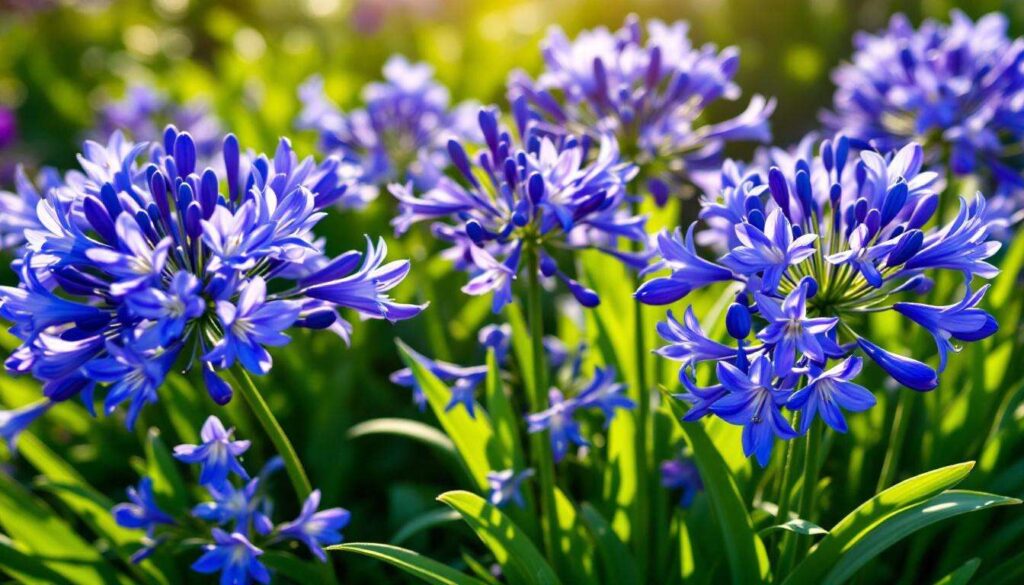
Agapanthus, with their striking blue or white flower clusters, are prized additions to any garden. Yet many gardeners inadvertently harm their plants by dividing them at the wrong time. Understanding when and how to divide these perennials can make the difference between a thriving display and a disappointing season. Timing is everything when it comes to ensuring your agapanthus not only survive the division process but flourish afterwards with abundant blooms.
The importance of the right moment to divide agapanthus
Why timing matters for plant survival
Dividing agapanthus at an inappropriate moment can severely compromise their vitality. These plants require specific conditions to recover from the stress of separation. When divided during their active growth phase or just before winter, the roots struggle to establish themselves, leaving the plant vulnerable to disease, frost damage, and poor flowering. The Royal Horticultural Society emphasises that successful division depends on allowing adequate time for root systems to re-establish before facing environmental challenges.
Understanding the plant’s natural cycle
Agapanthus follow a predictable growth pattern that dictates the optimal division window:
- Winter dormancy when energy is conserved in the root system
- Spring emergence as temperatures rise and new growth begins
- Summer flowering when the plant channels energy into blooms
- Autumn preparation for the dormant period
Disrupting this cycle at the wrong stage can halt flowering entirely or weaken the plant’s ability to withstand seasonal changes. Understanding these phases allows gardeners to work with, rather than against, the plant’s natural rhythms, ensuring a smoother recovery and better long-term health.
Recognising these natural patterns helps gardeners identify the precise window when their agapanthus are most receptive to division.
When to divide agapanthus: ideal season
Spring as the optimal period
The best time to divide agapanthus is spring, specifically from March onwards when soil temperatures begin to rise consistently. At this stage, plants are emerging from winter dormancy and entering their active growth phase. This timing allows the divided sections to establish robust root systems before the demands of summer flowering. Warm soil encourages rapid root development, which is essential for the plant to access nutrients and water efficiently.
Variety-specific considerations
Different agapanthus varieties require slightly adjusted timing:
| Variety Type | Division Timing | Special Considerations |
|---|---|---|
| Evergreen varieties | Late March to April | More sensitive to cold; wait until frost risk passes |
| Deciduous varieties | March onwards | Can tolerate slightly earlier division but avoid frozen soil |
Avoiding critical periods
Certain times should be strictly avoided for agapanthus division. Dividing in late autumn or winter exposes vulnerable roots to frost damage. Similarly, division during the flowering period in summer redirects energy away from blooms and stresses the plant unnecessarily. February divisions, even in milder climates, risk exposing plants to unexpected cold snaps that can severely damage or kill newly separated sections.
Beyond knowing when to divide, understanding what mistakes to avoid ensures the process goes smoothly.
Avoid these common division mistakes
Dividing too frequently
One prevalent error is dividing agapanthus too often. These plants actually benefit from being slightly pot-bound or crowded, which encourages more prolific flowering. Dividing evergreen varieties should occur every four to five years, whilst deciduous types can remain undisturbed for up to eight years. Premature division disrupts the plant’s established root network and can result in reduced flowering for multiple seasons.
Using inappropriate tools
The tools employed during division significantly impact success rates. Common mistakes include:
- Using blunt spades that crush rather than cleanly cut roots
- Employing unsterilised tools that introduce pathogens
- Forcing divisions with inappropriate implements that cause excessive damage
- Neglecting to have two garden forks for gentle separation
Ignoring soil and weather conditions
Attempting division when soil is waterlogged or frozen creates unfavourable conditions for root establishment. Similarly, dividing just before a predicted cold spell or during drought conditions places unnecessary stress on the plant. Checking weather forecasts and soil temperature ensures divisions occur under optimal conditions, giving plants the best chance of recovery.
With these pitfalls in mind, implementing the correct technique minimises stress for your agapanthus.
Achieving stress-free division for the plant
Proper preparation techniques
Successful division begins with thorough preparation. Water the agapanthus deeply two days before division to ensure the root ball is moist but not waterlogged. Prepare the new planting locations or containers in advance, ensuring they have adequate drainage and appropriate soil mix. Sterilise all tools with diluted bleach or methylated spirits to prevent disease transmission.
The division process step by step
Follow this systematic approach for minimal plant stress:
- Carefully dig around the entire root ball, maintaining distance from the crown
- Lift the clump gently, preserving as much root structure as possible
- Insert two garden forks back-to-back into the centre of the clump
- Gently lever the forks apart to separate sections naturally along root divisions
- Ensure each division has at least three to five healthy shoots and adequate roots
- Trim any damaged or dead roots with clean, sharp secateurs
Immediate post-division handling
After separation, minimise exposure time for the roots. Plant divisions immediately into prepared locations at the same depth they were previously growing. Firm the soil gently around roots to eliminate air pockets, then water thoroughly. For potted divisions, use containers that accommodate the root system without excessive space, as agapanthus prefer being slightly restricted.
Proper division technique sets the foundation, but the real benefits become apparent in subsequent flowering seasons.
Benefits of a successful division on flowering
Enhanced bloom production
When divided at the correct time, agapanthus respond with spectacular flowering displays. Rejuvenated plants allocate energy more efficiently, producing more flower stems and larger blooms. Divisions typically flower within the first season if performed in spring, though some may take a year to reach full flowering potential. The Royal Horticultural Society notes that properly divided agapanthus can produce up to 30 per cent more flowers compared to overcrowded clumps.
Improved plant vigour
Division provides numerous health advantages beyond flowering:
| Benefit | Impact on Plant |
|---|---|
| Reduced competition | Better access to nutrients and water |
| Increased air circulation | Lower disease risk, particularly fungal infections |
| Renewed root systems | Enhanced nutrient uptake and drought tolerance |
| Controlled size | Easier garden management and aesthetic appeal |
Long-term garden planning
Strategic division allows gardeners to expand their agapanthus collection without additional expense. Divisions can fill gaps in borders, create dramatic container displays, or be shared with fellow gardening enthusiasts. This multiplication ensures a continuous supply of these architectural plants throughout the garden whilst maintaining the health of the original specimens.
To maximise these benefits, appropriate aftercare following division is essential.
Post-division care for optimal growth
Watering and feeding requirements
Newly divided agapanthus require consistent moisture without waterlogging during the first growing season. Water deeply when the top layer of soil feels dry, typically once or twice weekly depending on weather conditions. Avoid overhead watering which can encourage fungal diseases. Apply a balanced liquid fertiliser at half strength every fortnight from late spring through summer to support root establishment and flowering.
Protection and monitoring
Provide appropriate protection based on variety and climate:
- Apply a layer of mulch around plants to retain moisture and regulate soil temperature
- Protect evergreen varieties from severe frost with horticultural fleece
- Monitor for signs of stress such as yellowing leaves or wilting
- Remove spent flower heads to redirect energy into root development
- Watch for pest activity, particularly slugs on new growth
First winter considerations
The initial winter after division is critical for survival. Ensure good drainage to prevent root rot during wet periods. For container-grown divisions, move pots to sheltered locations or wrap with bubble wrap for insulation. Reduce watering significantly but do not allow soil to become completely dry. Evergreen varieties benefit from protection in cold frames or unheated greenhouses in regions with harsh winters.
Dividing agapanthus successfully requires patience, proper timing, and attentive care. Spring division, specifically from March when soil temperatures rise, provides the optimal conditions for these plants to establish robust root systems before flowering. Avoiding common mistakes such as premature division, using inappropriate tools, or working in unsuitable conditions ensures minimal stress. The rewards of correct timing include enhanced flowering, improved plant vigour, and the opportunity to expand your collection. With consistent watering, appropriate feeding, and winter protection during that crucial first year, divided agapanthus will reward gardeners with spectacular displays for years to come.