



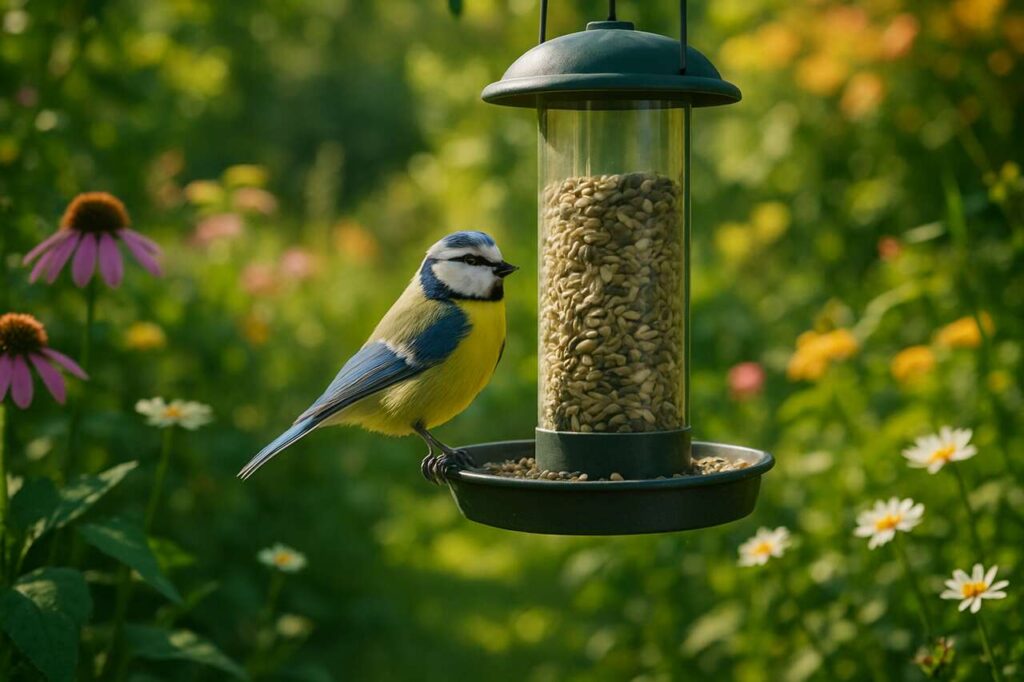
The cheerful blue tit, with its vibrant yellow breast and distinctive blue cap, has long been a favourite visitor to British gardens. Yet many bird enthusiasts have noticed a troubling pattern: these once-regular visitors seem to have abandoned their feeders entirely. The sudden absence of blue tits can leave garden owners puzzled and concerned, wondering what has driven these delightful birds away. Fortunately, the solution often lies not in elaborate interventions but in understanding the specific needs and preferences of these charming creatures. By implementing a few strategic modifications to your garden setup, you can transform your outdoor space back into an irresistible haven for blue tits, ensuring their swift return to your feeders.
Understanding the feeding habits of blue tits
Natural dietary preferences throughout the seasons
Blue tits are opportunistic feeders with remarkably varied dietary requirements that shift dramatically throughout the year. During spring and summer months, these birds focus predominantly on protein-rich insects and larvae, which provide essential nutrients for breeding and raising their young. A single blue tit family can consume thousands of caterpillars during the nesting season, making insects their primary food source when available.
As autumn arrives and insect populations decline, blue tits adapt their feeding strategy to include:
- Seeds from native plants and trees
- Small nuts and berries
- Fat-rich foods to build energy reserves
- Supplementary offerings from garden feeders
Territorial behaviour and feeder competition
Despite their small size, blue tits exhibit surprisingly assertive territorial behaviour around feeding stations. They establish hierarchies and preferred feeding times, often avoiding feeders that attract larger, more aggressive species. Understanding this behaviour is crucial because blue tits may abandon a feeder if they consistently encounter competition from dominant birds such as starlings, sparrows, or even great tits.
The timing of their visits also follows predictable patterns, with peak activity occurring during early morning and late afternoon. These feeding windows allow blue tits to replenish energy lost overnight and prepare for the coming evening, making feeder availability during these critical periods particularly important.
Recognising these fundamental behaviours helps explain why blue tits might suddenly disappear, leading naturally to the question of what specific foods will entice them back.
Selecting the right seeds to attract blue tits
Premium seed varieties that blue tits prefer
Not all bird seed is created equal, and blue tits demonstrate distinct preferences that differ markedly from other garden visitors. Sunflower hearts consistently rank as the top choice for blue tits, offering high energy content without the inconvenience of shells. These dehulled seeds allow blue tits to feed efficiently without creating mess or expending unnecessary energy.
| Seed type | Blue tit preference | Nutritional benefit |
|---|---|---|
| Sunflower hearts | Excellent | High fat and protein content |
| Nyjer seeds | Good | Rich in oil and energy |
| Peanut granules | Excellent | Protein-dense, easy to handle |
| Mixed seed blends | Poor | Often contains filler ingredients |
Foods to avoid in your feeder
Many commercial seed mixes contain cheap filler ingredients that blue tits will simply ignore or scatter whilst searching for preferred items. Wheat, barley, and split peas hold little appeal for these birds and often end up wasted on the ground, attracting unwanted visitors such as rats or pigeons.
Equally important is avoiding certain foods that can actively harm blue tits:
- Salted or roasted nuts containing harmful additives
- Dried coconut that swells dangerously when consumed
- Bread or cake crumbs lacking nutritional value
- Mouldy or contaminated seeds harbouring bacteria
Providing the correct food represents only part of the solution, as the physical environment surrounding your feeder plays an equally vital role.
Creating a safe and welcoming environment
Strategic feeder placement for maximum security
Blue tits are naturally cautious birds that require a strong sense of security before committing to regular feeder visits. Feeder positioning dramatically influences their willingness to use your feeding station. Ideally, feeders should be placed between two and three metres from substantial cover such as hedges, shrubs, or trees, allowing blue tits quick escape routes from potential predators whilst maintaining clear sightlines to detect approaching threats.
Avoid positioning feeders directly against walls or fences where cats can lurk undetected. Similarly, feeders placed in completely open areas without nearby perching spots will discourage blue tits, who prefer to survey the situation from a safe branch before approaching.
Protecting against predators and disturbances
The presence of predators represents one of the primary reasons blue tits abandon previously frequented feeders. Domestic cats pose the most significant threat in garden environments, and implementing protective measures becomes essential:
- Install feeders on smooth metal poles that cats cannot climb
- Use dome-shaped baffles above and below hanging feeders
- Maintain clear ground areas beneath feeders to eliminate ambush points
- Consider motion-activated deterrents in problem areas
Sparrowhawks also hunt garden birds, though their presence indicates a healthy ecosystem. Blue tits will return once they perceive the immediate danger has passed, provided other conditions remain favourable.
Even with perfect placement and security measures, the condition of the feeder itself can determine whether blue tits choose to return.
Keeping a clean and well-maintained feeder
Establishing a rigorous cleaning schedule
Feeder hygiene cannot be overstated in its importance to blue tit health and visitation patterns. Bacterial contamination spreads rapidly in feeding stations, causing diseases such as trichomonosis and salmonellosis that can devastate local bird populations. Blue tits instinctively avoid feeders showing signs of contamination, including mouldy seeds, accumulated droppings, or visible slime.
A proper cleaning routine should include:
- Weekly washing with hot water and wildlife-safe disinfectant
- Complete drying before refilling to prevent mould growth
- Daily removal of old or wet seeds from feeding ports
- Monthly deep cleaning of all feeder components
- Regular rotation of multiple feeders to allow thorough drying
Recognising signs of feeder degradation
Even well-maintained feeders eventually deteriorate, developing sharp edges, cracked plastic, or corroded metal that can injure delicate feet and beaks. Regular inspection helps identify these problems before they discourage visitors. Replace feeders showing significant wear, paying particular attention to feeding ports where blue tits make direct contact.
Weather damage accelerates deterioration, with UV exposure making plastic brittle and rain promoting rust in metal components. Investing in quality feeders constructed from durable materials ultimately proves more economical and maintains consistent blue tit visitation.
Beyond the immediate feeding area, the broader garden landscape significantly influences whether blue tits will make your space their regular territory.
Planting attractive shrubs and flowers
Native plants that support blue tit populations
Creating a naturally abundant garden provides blue tits with reasons to visit beyond supplementary feeding. Native plants support the insect populations that form the cornerstone of blue tit diets, particularly during breeding season when protein requirements soar. A garden rich in native species becomes a complete habitat rather than merely a feeding station.
Particularly valuable plants include:
- Hawthorn providing nesting sites and berry crops
- Oak trees supporting hundreds of caterpillar species
- Ivy offering late-season berries and nesting cover
- Honeysuckle attracting aphids and their predators
- Birch trees hosting numerous invertebrate species
Creating year-round interest and food sources
Strategic planting ensures continuous food availability throughout the seasons, making your garden indispensable to local blue tit populations. Spring flowering plants attract early insects, whilst autumn berries provide crucial energy reserves before winter. Dense evergreen shrubs offer roosting sites during cold nights, reducing mortality and encouraging year-round residency.
Consider implementing a layered planting scheme with trees, shrubs, and ground cover creating diverse microhabitats. This approach maximises insect diversity whilst providing the structural complexity blue tits favour for nesting and foraging.
Timing your feeding efforts appropriately ensures maximum benefit for blue tits whilst respecting their natural behavioural patterns.
Adhering to the bird feeding calendar
Seasonal feeding strategies for optimal results
Understanding when to intensify or reduce feeding efforts helps support blue tits without creating unhealthy dependency. Winter feeding provides the greatest benefit, when natural food sources become scarce and energy demands peak due to cold temperatures. During these months, maintaining consistently stocked feeders can mean the difference between survival and starvation for resident blue tits.
Spring presents a more nuanced situation. Whilst adult blue tits benefit from supplementary feeding during the energetically demanding breeding season, offering whole peanuts or large seeds during nesting period risks parents feeding inappropriate foods to nestlings. Switch to peanut granules, sunflower hearts, and fat-based products that pose no choking hazard.
Summer and autumn feeding considerations
Many bird enthusiasts mistakenly cease feeding during summer months, yet continued provision of appropriate foods supports blue tits through moulting periods and helps juveniles develop feeding skills. Reduce quantities rather than stopping entirely, allowing natural food sources to predominate whilst maintaining your garden’s status as a reliable resource.
Autumn feeding helps blue tits build crucial fat reserves before winter, with high-energy foods proving particularly valuable. This period also represents an excellent opportunity to attract new blue tit territories as young birds establish their own ranges.
Successfully attracting blue tits back to your garden requires a comprehensive approach combining quality food provision, strategic environmental design, rigorous hygiene standards, and thoughtful native planting. By implementing these four fundamental changes, you create an irresistible habitat that blue tits cannot ignore. The combination of immediate food availability and long-term habitat quality ensures these delightful birds will not only return but establish your garden as a permanent part of their territory. Patient observation and consistent maintenance will soon reward you with the cheerful presence of blue tits throughout the seasons, their acrobatic feeding displays and melodious calls once again enriching your outdoor space.