


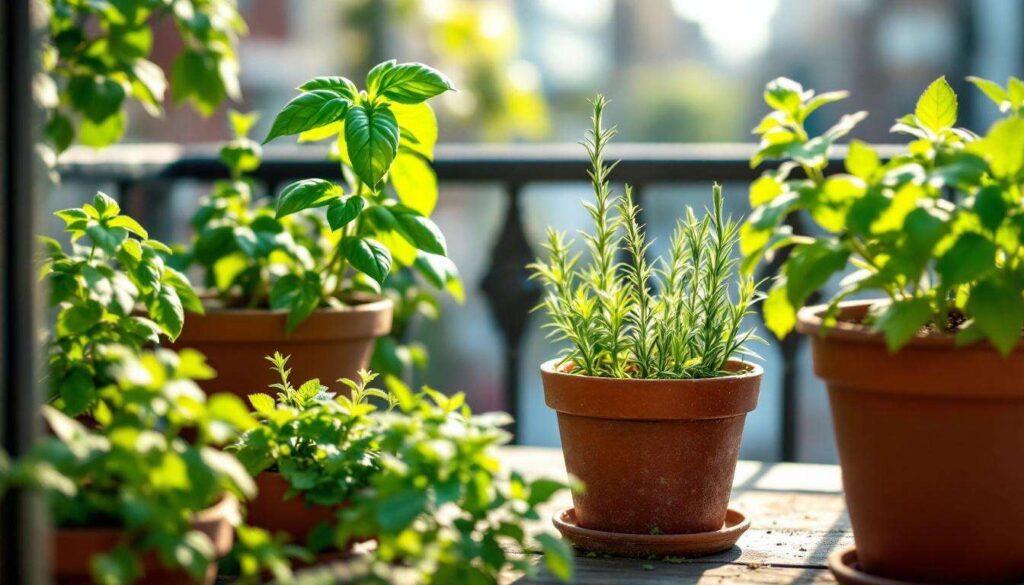
Growing fresh herbs at home transforms everyday cooking whilst requiring minimal effort. For those living in flats or homes without garden space, container gardening offers an accessible solution that delivers aromatic ingredients right to your kitchen. Potted herb gardens thrive on windowsills, balconies, and patios, providing both practical culinary benefits and visual appeal. This beginner-friendly approach eliminates the complexities of traditional gardening whilst ensuring a steady supply of flavourful herbs throughout the growing season.
Choosing the right herbs for an easy garden
Selecting hardy varieties for beginners
Starting with resilient herb varieties ensures success for novice gardeners. Certain herbs demonstrate remarkable tolerance to varying conditions and forgive occasional lapses in care. The following options represent excellent choices for those embarking on their first container herb garden:
- Basil: thrives in warm conditions and produces abundant leaves for pesto, salads, and Mediterranean dishes
- Parsley: adapts to different light levels and provides versatile garnishing and flavouring options
- Chives: requires minimal attention whilst delivering mild onion flavour to numerous recipes
- Mint: grows vigorously and suits both sweet and savoury preparations, though benefits from container confinement
- Thyme: tolerates drought conditions and adds depth to roasted vegetables and meat dishes
Matching herbs to available light conditions
Understanding light requirements prevents disappointment and ensures healthy growth. Most culinary herbs originate from Mediterranean regions where abundant sunshine prevails. However, several varieties adapt to less ideal conditions, making them suitable for north-facing windows or partially shaded balconies.
| Herb | Minimum daily sunlight | Shade tolerance |
|---|---|---|
| Basil | 6-8 hours | Low |
| Rosemary | 6-8 hours | Low |
| Parsley | 4-6 hours | Moderate |
| Mint | 4-6 hours | High |
| Coriander | 4-6 hours | Moderate |
Assessing your available space helps determine which herbs will flourish in your specific environment. Once you’ve identified suitable varieties, the next consideration involves finding appropriate containers to house them.
Selecting the ideal pots for herbs
Size and depth requirements
Container dimensions directly impact root development and overall plant health. Adequate space allows herbs to establish robust root systems that support vigorous growth and continuous harvesting. Shallow pots restrict roots, leading to stunted plants and reduced yields.
Most herbs require containers measuring at least 25 centimetres in diameter and 30 centimetres deep. Larger specimens like rosemary benefit from even more generous proportions, whilst compact varieties such as thyme manage in slightly smaller vessels. When in doubt, choosing a larger pot provides flexibility and reduces watering frequency.
Material considerations for optimal growth
Pot composition affects moisture retention, temperature regulation, and longevity. Each material offers distinct advantages and drawbacks:
- Terracotta: porous clay allows air circulation and moisture evaporation, ideal for Mediterranean herbs preferring drier conditions
- Plastic: lightweight and affordable, retains moisture longer but may overheat in direct sunlight
- Glazed ceramic: attractive and moisture-retentive, suitable for herbs requiring consistent dampness
- Metal: durable but conducts heat rapidly, potentially damaging roots during hot weather
Essential drainage features
Proper drainage prevents waterlogging, which causes root rot and plant death. Every container must include drainage holes at the base, allowing excess water to escape freely. Placing a layer of gravel or broken pottery shards at the bottom enhances drainage whilst preventing soil from washing through the holes.
With appropriate containers selected, attention turns to the practical process of establishing your herbs in their new homes.
Planting herbs in pots: key steps
Preparing quality growing medium
Soil quality determines nutrient availability and drainage characteristics. Standard garden soil proves too dense for containers, compacting over time and restricting root growth. Instead, specialist potting compost provides the ideal balance of water retention and aeration.
Many gardeners enhance basic compost with additional components:
- Perlite or vermiculite improves drainage and prevents compaction
- Organic matter such as well-rotted compost adds nutrients
- Sand benefits Mediterranean herbs requiring sharper drainage
Planting technique for healthy establishment
Proper planting technique encourages rapid root development and minimises transplant shock. Fill containers to within three centimetres of the rim, leaving space for watering. Create a planting hole slightly larger than the root ball, gently loosening any circling roots before positioning the plant.
The herb should sit at the same depth it occupied in its original container. Planting too deeply risks stem rot, whilst shallow positioning exposes roots to drying air. Firm the compost gently around the plant, eliminating air pockets without compacting the medium excessively.
Initial watering and settling
Thorough watering immediately after planting helps settle the compost and establishes contact between roots and growing medium. Water until liquid drains from the base, ensuring complete saturation. This initial soak proves crucial for helping transplanted herbs overcome the stress of relocation.
Following successful planting, ongoing care ensures continued health and productivity throughout the growing season.
Maintaining and watering a potted herb garden
Establishing effective watering routines
Watering represents the most critical maintenance task for container herbs. Unlike ground-planted specimens, potted herbs cannot access deep soil moisture and rely entirely on regular irrigation. However, overwatering causes more problems than underwatering, making careful observation essential.
The finger test provides reliable guidance: insert your finger two centimetres into the compost. If it feels dry, watering is needed. If moisture remains, delay irrigation. Different herbs require varying moisture levels:
| Herb | Watering frequency | Soil preference |
|---|---|---|
| Basil | Regular, when surface dries | Consistently moist |
| Mint | Frequent | Damp but not waterlogged |
| Rosemary | Infrequent | Dry between waterings |
| Thyme | Infrequent | Dry between waterings |
Feeding requirements for container herbs
Nutrients in potting compost deplete over time as plants grow and regular watering leaches minerals. Supplementary feeding maintains vigorous growth and flavour intensity. Liquid fertilisers applied at half strength every two weeks during the growing season provide balanced nutrition without risking chemical burn.
Organic options such as seaweed extract or compost tea offer gentle nourishment whilst improving soil structure. Avoid overfeeding, which produces excessive foliage with diminished flavour concentration.
Pruning and encouraging bushy growth
Regular harvesting serves dual purposes: providing fresh ingredients whilst promoting compact, bushy growth. Pinching out growing tips encourages lateral branching, preventing leggy stems and increasing overall yield. Remove flower buds from basil, parsley, and coriander to extend the productive period, as flowering signals the end of leaf production.
Despite attentive care, certain challenges may arise that require prompt attention and appropriate responses.
Avoiding common problems in a herb garden
Recognising and addressing pest infestations
Container herbs generally experience fewer pest problems than garden-grown plants, but aphids, whitefly, and spider mites occasionally appear. Early detection prevents severe infestations that compromise plant health.
- Inspect leaves regularly, particularly undersides where pests congregate
- Wash minor infestations away with a strong water spray
- Apply insecticidal soap for persistent problems, ensuring thorough coverage
- Introduce natural predators such as ladybirds for biological control
Preventing fungal diseases
Excessive moisture and poor air circulation create conditions favouring fungal diseases such as powdery mildew and root rot. Prevention proves more effective than treatment, making cultural practices crucial.
Space containers adequately to ensure air movement between plants. Water early in the day, allowing foliage to dry before evening. Avoid wetting leaves when irrigating, directing water to the compost surface instead. Remove affected foliage promptly to prevent disease spread.
Managing environmental stress
Temperature extremes, inadequate light, and irregular watering cause stress symptoms including yellowing leaves, stunted growth, and leaf drop. Identifying the underlying cause allows appropriate corrective action.
Moving containers to more suitable locations often resolves light-related issues. Mulching the compost surface with gravel moderates temperature fluctuations whilst reducing moisture loss. Establishing consistent care routines minimises stress and maintains plant vigour.
Healthy, well-maintained herbs eventually reach the stage where regular harvesting becomes both possible and beneficial.
Harvesting and storing aromatic herbs
Optimal harvesting techniques
Correct harvesting methods maximise yield whilst encouraging continued production. Morning collection, after dew evaporates but before heat intensifies, captures peak flavour concentration. Use clean, sharp scissors or secateurs to make clean cuts that heal quickly.
Never remove more than one-third of a plant’s foliage at once, as excessive harvesting weakens specimens and reduces future productivity. Focus on outer leaves and stems, allowing the central growing point to continue developing.
Preservation methods for extended use
Fresh herbs offer superior flavour, but preservation techniques extend availability beyond the growing season. Different methods suit particular herbs:
- Freezing: chop herbs and pack into ice cube trays with water or oil, ideal for basil, parsley, and coriander
- Drying: hang bundles in a warm, dark, well-ventilated location, suitable for rosemary, thyme, and sage
- Refrigeration: wrap stems in damp kitchen paper and store in sealed containers for short-term keeping
Each preservation method affects flavour intensity and texture differently. Experimentation reveals personal preferences and identifies which techniques work best for individual herbs and intended uses.
Successfully establishing a low-maintenance potted herb garden requires thoughtful planning and consistent care, but rewards effort with fresh flavours and culinary satisfaction. Selecting appropriate herbs and containers creates the foundation for success, whilst proper planting and maintenance techniques ensure healthy, productive plants. Addressing potential problems promptly prevents minor issues from becoming serious setbacks. Regular harvesting provides ingredients that elevate everyday cooking whilst encouraging continued growth. Whether adorning a sunny windowsill or brightening a balcony, container herb gardens offer accessible, rewarding gardening experiences suitable for beginners and seasoned growers alike.