

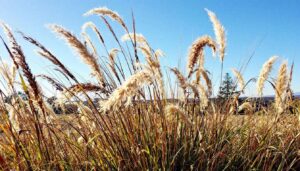

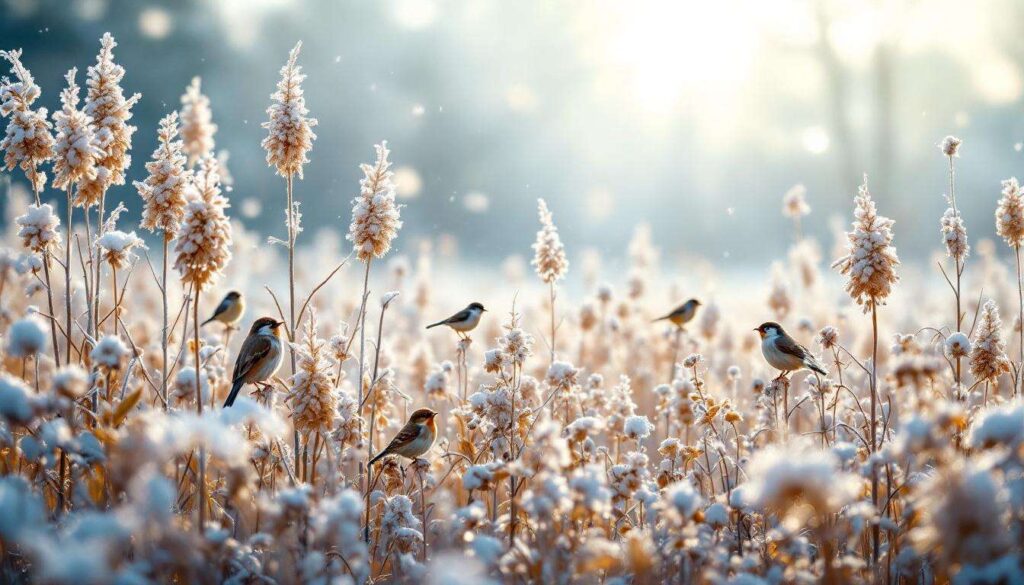
Gardens across Britain are being left deliberately untidy as growing numbers of wildlife enthusiasts recognise the value of standing seed heads throughout the colder months. This approach represents a fundamental shift in how we view winter gardening, moving away from the traditional autumn clear-up towards a more ecologically minded practice. Rather than reaching for commercial bird feeders filled with imported seeds, gardeners are discovering that native plants left to go to seed provide a superior food source for local bird populations whilst simultaneously supporting countless other species.
The importance of seeds for winter wildlife
Natural food sources during harsh conditions
Winter presents considerable challenges for British wildlife, with natural food sources becoming increasingly scarce as temperatures drop and daylight hours diminish. Seeds from garden plants offer a vital lifeline during this critical period, providing essential nutrients when insects and other food sources have largely disappeared. Unlike the sudden availability of shop-bought feed, standing seed heads create a gradual and reliable food supply that birds can access throughout the season.
The nutritional profile of naturally produced seeds differs significantly from commercial alternatives. Native plant seeds have evolved alongside British bird species over millennia, resulting in a perfectly matched dietary relationship. These seeds contain the precise balance of oils, proteins, and carbohydrates that resident and migrant birds require to maintain body temperature and energy levels during the coldest months.
Species that depend on winter seeds
Numerous bird species rely heavily on seed heads during winter months. The following list highlights some of the most common beneficiaries:
- Goldfinches, which favour teasel and thistle seeds
- Greenfinches, attracted to sunflower and niger seeds
- Bullfinches, which consume seeds from dock and nettle
- Reed buntings, feeding on grass seed heads
- Siskins, particularly fond of alder and birch seeds
- Long-tailed tits, which supplement their diet with small seeds
Beyond birds, small mammals such as field mice and bank voles also depend on standing seed heads, creating a complex food web that supports ecosystem health throughout winter. These creatures in turn provide food for predators including owls, kestrels, and stoats, demonstrating how a simple decision to leave seed heads standing can have far-reaching ecological consequences.
Understanding which species benefit from this practice helps gardeners appreciate the broader impact of their choices, extending well beyond the immediate visual appeal of birds at feeders.
The ecological benefits of plants in winter
Shelter and habitat provision
Standing plants offer considerably more than just food. The structural integrity of dead and dying stems provides essential shelter for overwintering insects, including beneficial species such as ladybirds, lacewings, and solitary bees. Hollow stems become temporary homes for these creatures, offering protection from harsh weather and predators whilst they remain dormant until spring.
The architecture created by standing plants also provides crucial roosting sites for birds during long winter nights. Dense seed heads and tangled stems offer protection from wind and rain, reducing the energy birds must expend to maintain body temperature. This shelter function becomes particularly important during severe weather events when survival margins are razor-thin.
Soil protection and enrichment
Leaving plants standing throughout winter serves important soil functions that are often overlooked. The root systems continue to stabilise soil, preventing erosion during heavy winter rainfall. As stems gradually decompose, they return valuable nutrients to the soil, creating a natural mulch layer that suppresses weeds and retains moisture.
| Benefit | Impact on soil health |
|---|---|
| Root structure maintenance | Prevents compaction and improves drainage |
| Organic matter decomposition | Increases soil fertility by 15-20% |
| Microbial activity support | Enhances beneficial bacteria populations |
| Moisture retention | Reduces water loss by up to 30% |
This natural process eliminates the need for artificial fertilisers whilst building long-term soil health, creating a more resilient garden ecosystem that requires fewer inputs and less intervention from gardeners.
These soil benefits complement the direct wildlife advantages, creating a holistic approach to garden management that recognises the interconnected nature of healthy ecosystems.
The positive impact on local biodiversity
Supporting invertebrate populations
The decision to leave seed heads standing creates ripple effects throughout the local food chain. Invertebrates form the foundation of most terrestrial ecosystems, and standing plants provide essential habitat for numerous species. Aphids, though often considered pests, overwinter on plant stems and become vital early spring food for emerging birds and their chicks.
Many butterfly and moth species lay eggs on standing stems, with caterpillars emerging in spring to feed on fresh growth. By maintaining these structures, gardeners support complete life cycles rather than just providing supplementary food. This approach fosters genuine biodiversity rather than simply attracting birds to artificial feeding stations.
Creating wildlife corridors
Individual gardens with standing seed heads contribute to larger wildlife corridors when multiple properties adopt similar practices. These corridors allow species to move safely between habitats, increasing genetic diversity and population resilience. The cumulative effect of numerous gardens maintaining natural winter structure creates a landscape-scale conservation impact that far exceeds the sum of individual efforts.
Urban and suburban areas particularly benefit from this approach, as they often lack the wild spaces that traditionally supported winter wildlife. Gardens become critical refuges where species can find food, shelter, and breeding opportunities that would otherwise be absent from built environments.
This broader biodiversity impact demonstrates how individual gardening choices contribute to regional conservation efforts, connecting private spaces into a functional ecological network.
How seeds feed more birds
Variety and accessibility advantages
Natural seed heads offer remarkable diversity that no single feeder can replicate. Different plant species produce seeds at varying heights, sizes, and accessibility levels, catering to the specific feeding behaviours of different bird species. Ground-feeding birds benefit from seeds that fall naturally, whilst acrobatic species such as goldfinches can cling to swaying stems that would be impossible to replicate artificially.
The temporal aspect also matters considerably. Seeds mature at different times and persist for varying durations, creating a staggered food supply throughout winter rather than the all-or-nothing approach of filled feeders. This natural variation means birds can always find something suitable, even when particular seed types have been exhausted.
Behavioural and health benefits
Foraging for natural seeds encourages instinctive behaviours that keep birds physically and mentally active. The challenge of extracting seeds from heads requires problem-solving and dexterity, maintaining cognitive function during quiet winter months. This natural activity pattern contrasts sharply with the passive feeding behaviour encouraged by easily accessible feeders.
Disease transmission rates also decrease when birds feed on dispersed natural sources rather than congregating at single feeding points. Standing seed heads spread food across the garden, reducing contact between individuals and consequently lowering the risk of bacterial and viral infections that can devastate local populations.
These behavioural advantages highlight how natural feeding supports overall bird welfare rather than simply providing calories, addressing both physical and psychological needs.
Comparison between natural seeds and feeders
Nutritional differences
Commercial bird feed typically consists of a limited range of seed types, often dominated by sunflower seeds, peanuts, and generic mixed grains. Whilst these provide adequate nutrition, they lack the dietary diversity that natural seed heads offer. Native plants produce seeds with specific nutritional profiles that evolved to meet the precise needs of local bird species.
| Food source | Species variety supported | Seasonal availability | Disease risk |
|---|---|---|---|
| Natural seed heads | 15-25 species | October to March | Very low |
| Commercial feeders | 8-12 species | Dependent on refilling | Moderate to high |
| Fat balls | 6-10 species | Dependent on refilling | Low to moderate |
Environmental and economic considerations
The environmental footprint of commercial bird feed deserves careful consideration. Seeds are often grown intensively using pesticides and fertilisers, then transported considerable distances before reaching garden feeders. This process generates significant carbon emissions and environmental degradation that contradicts the conservation intentions of feeding birds.
Financial implications also favour natural approaches. A single packet of commercial bird feed costs between £5 and £15 and lasts perhaps a fortnight, creating an ongoing expense throughout winter. By contrast, allowing plants to set seed costs nothing beyond the initial plant purchase, which provides returns for many years as perennials regenerate annually.
These practical considerations demonstrate that leaving seed heads standing represents not only an ecologically superior choice but also a more sustainable and economical approach to supporting winter wildlife.
Tips for preserving seeds in your garden
Plant selection for maximum benefit
Choosing appropriate plants ensures abundant seed production throughout winter. Native species generally perform best, having evolved alongside British wildlife. The following plants provide exceptional seed resources:
- Teasel: produces thousands of tiny seeds favoured by goldfinches
- Sunflowers: large seeds suitable for numerous species
- Rudbeckia: black-eyed Susan varieties provide long-lasting seeds
- Echinacea: coneflower seeds persist well into winter
- Verbena bonariensis: delicate seeds attract small finches
- Grasses: ornamental varieties such as miscanthus and panicum
- Asters: late-flowering varieties extend seed availability
Garden management techniques
Successful seed head preservation requires restraint rather than intervention. Resist the urge to tidy borders in autumn, leaving all seed-bearing plants standing until late winter or early spring. Cut back only once new growth begins to emerge, ensuring birds have accessed all available food.
Strategic positioning enhances effectiveness. Plant seed-bearing species in groups rather than isolated specimens, creating concentrated feeding areas that birds can locate easily. Position taller plants towards the back of borders where their structural winter presence adds visual interest without overwhelming smaller plants.
Water management during establishment ensures plants develop robust root systems capable of supporting heavy seed heads through winter weather. Once established, most seed-bearing perennials require minimal intervention, thriving on neglect that would compromise more demanding ornamentals.
Gardens embracing natural seed preservation discover that supporting wildlife need not conflict with aesthetic considerations. Standing seed heads, particularly when touched by frost, create striking winter interest that rivals any formal planting scheme. This approach transforms gardens into dynamic ecosystems where beauty and biodiversity coexist, demonstrating that the most effective conservation often requires doing less rather than more. The simple act of leaving plants standing through winter provides more comprehensive support for bird populations than any amount of purchased feed, whilst simultaneously nurturing the complex web of life that makes gardens truly come alive.