


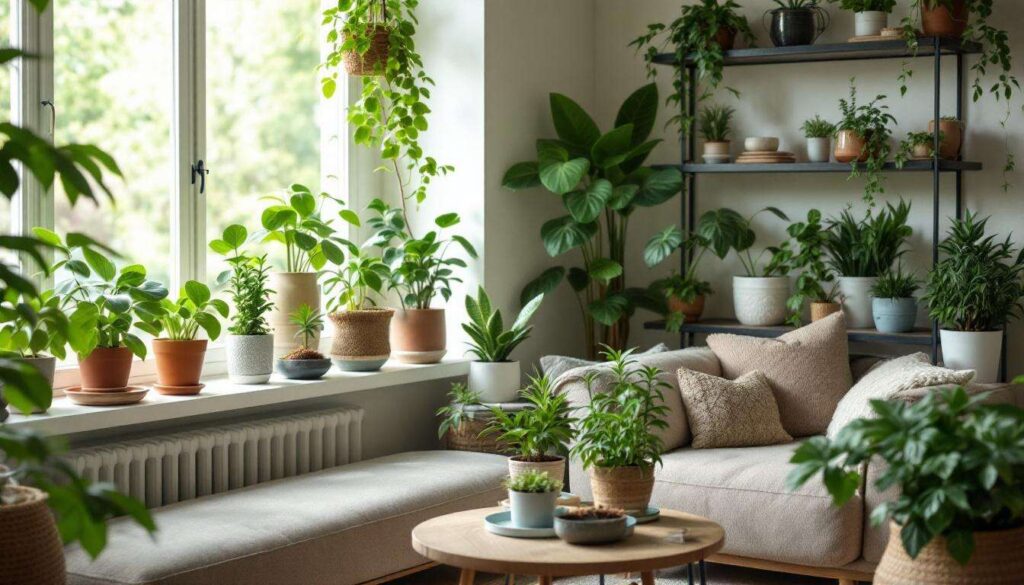
Many houseplant enthusiasts maintain the same watering routine throughout the year, unaware that their green companions require significantly less moisture during the colder months. The Royal Horticultural Society has identified numerous species that thrive with reduced watering in winter, yet continue to receive excessive hydration from well-meaning owners. This mismatch between plant needs and care routines often leads to root rot, fungal infections, and declining plant health. Understanding which houseplants naturally enter a dormant or semi-dormant phase can transform your winter plant care approach and ensure your collection remains vibrant through the darker months.
Understanding the water needs of houseplants in winter
The dormancy period explained
During winter, most houseplants enter a period of dormancy or significantly reduced growth. This natural response to shorter daylight hours and cooler temperatures means their metabolic processes slow down considerably. Plants transpire less water through their leaves and their root systems absorb moisture at a much slower rate than during the active growing season. The physiological changes that occur during this period are crucial for plant survival, allowing them to conserve energy until conditions become favourable for growth once again.
How reduced light affects water consumption
The relationship between light availability and water usage is direct and significant. With fewer daylight hours and weaker sunlight intensity, photosynthesis rates decline dramatically. This reduction means plants produce less energy and consequently require less water to support their diminished metabolic activities. Indoor environments compound this effect, as central heating can create deceptively warm conditions that mask the actual seasonal changes affecting plant biology.
| Season | Average daylight hours | Relative water consumption |
|---|---|---|
| Summer | 14-16 hours | 100% |
| Winter | 8-10 hours | 30-40% |
These fundamental changes in plant behaviour set the stage for understanding why traditional watering schedules often prove problematic during winter months.
Common watering mistakes during the cold season
Overwatering symptoms and dangers
The most prevalent error among houseplant owners is maintaining summer watering frequencies throughout winter. This practice leads to waterlogged soil, which deprives roots of essential oxygen and creates ideal conditions for pathogenic fungi and bacteria. Symptoms of overwatering include yellowing leaves, mushy stems, and a persistent damp smell from the compost. Root rot, once established, can be difficult to reverse and often proves fatal to affected plants.
Ignoring individual plant signals
Many gardeners follow rigid watering schedules rather than responding to their plants’ actual needs. Visual and tactile assessments provide far more reliable guidance than calendar-based routines. Key indicators that a plant requires water include:
- Soil that feels dry several centimetres below the surface
- Slightly drooping leaves that perk up after watering
- Lighter pot weight when lifted
- Compost that has pulled away from container edges
The central heating trap
Heated indoor environments create a false impression of plant water requirements. Whilst warm air does increase evaporation from soil surfaces, it does not proportionally increase the plant’s actual water consumption during dormancy. The dry atmosphere affects the top layer of compost whilst deeper soil remains saturated, leading owners to water unnecessarily based on surface conditions alone.
Recognising these common pitfalls helps explain why certain houseplants particularly struggle during winter months and why expert guidance proves invaluable.
Popular houseplants requiring less water: expert advice
Succulents and cacti
According to RHS experts, succulents and cacti top the list of plants requiring minimal winter watering. Species such as Echeveria, Aloe vera, and Crassula ovata (jade plant) store water in their fleshy leaves and stems, making them exceptionally drought-tolerant. During winter, these plants may require watering only once every four to six weeks, or even less in cool conditions. The key indicator is severely shrivelled leaves, though allowing slight wrinkling causes no harm.
Snake plants and ZZ plants
Both Sansevieria (snake plant) and Zamioculcas zamiifolia possess rhizomes that store substantial water reserves. These architectural plants can survive extended periods without watering during winter, often thriving with monthly or even bi-monthly watering. Their tolerance for neglect makes them ideal for busy households or forgetful gardeners.
Orchids and bromeliads
Whilst orchids have a reputation for being finicky, Phalaenopsis varieties actually require less frequent watering in winter. RHS guidance suggests watering only when the potting medium feels completely dry and roots appear silvery rather than green. Bromeliads similarly benefit from reduced watering, with their central cups requiring only occasional topping up rather than constant moisture.
Mediterranean herbs
Rosemary, lavender, and thyme grown as houseplants originate from dry climates and naturally expect reduced winter rainfall. These herbs perform best when allowed to dry out between waterings, with overwatering being the primary cause of winter losses. A fortnightly check usually suffices, with watering only when the top half of compost feels dry.
| Plant type | Summer watering frequency | Winter watering frequency |
|---|---|---|
| Succulents/Cacti | Every 1-2 weeks | Every 4-6 weeks |
| Snake plant/ZZ plant | Every 2-3 weeks | Every 4-8 weeks |
| Orchids | Weekly | Every 10-14 days |
| Mediterranean herbs | Every 3-5 days | Every 10-14 days |
Understanding these specific requirements provides a foundation for developing appropriate care routines tailored to each species.
How to adjust watering according to species and specific needs
Assessing soil moisture accurately
Rather than relying on surface appearance, proper moisture assessment requires checking several centimetres below the surface. A finger inserted into the compost provides immediate feedback, whilst moisture metres offer precise readings for those preferring technological assistance. For larger pots, a wooden skewer inserted to the bottom and left for thirty minutes will emerge damp if moisture remains at depth.
Considering pot size and material
Container characteristics significantly influence watering requirements. Terracotta pots allow moisture to evaporate through their porous walls, drying compost more rapidly than plastic equivalents. Larger pots retain moisture longer than small containers, meaning plants in different-sized pots of the same species require different watering schedules. The ratio of plant size to pot volume also matters, with root-bound specimens drying faster than those with ample space.
Adapting to microclimate variations
Individual rooms within a home present distinct microclimates affecting water requirements. Plants positioned near radiators or in bright, south-facing windows dry out faster than those in cooler, shadier locations. Bathrooms typically offer higher humidity, slowing moisture loss, whilst kitchens experience temperature fluctuations that complicate watering schedules. Monitoring each plant’s specific environment allows for personalised care adjustments rather than blanket approaches.
These practical assessment techniques enable gardeners to move beyond guesswork towards evidence-based watering decisions, which naturally leads to considering the broader consequences of moisture management.
Tips to avoid excess moisture and its consequences
Improving drainage and soil structure
Prevention begins with appropriate growing media. Adding perlite, grit, or orchid bark to standard houseplant compost improves drainage and aeration, reducing waterlogging risks. Ensuring pots have adequate drainage holes prevents water accumulation at the base, whilst raising containers on feet allows excess moisture to escape freely. For moisture-sensitive species, a specialised cactus and succulent mix provides the free-draining structure they require.
Watering technique matters
How water is applied proves as important as frequency. Thorough but infrequent watering encourages deep root development, whilst frequent light watering keeps surface roots constantly wet. The soak and drain method involves watering until liquid flows from drainage holes, then allowing complete drainage before returning the pot to its saucer. This approach ensures the entire root ball receives moisture whilst preventing standing water.
Warning signs requiring immediate action
Recognising early symptoms of excess moisture allows corrective intervention before permanent damage occurs. Critical warning signs include:
- Leaves developing brown, mushy patches
- Stems becoming soft or translucent
- White mould appearing on soil surface
- Fungus gnats hovering around plants
- Unpleasant odours emanating from compost
Upon detecting these symptoms, immediate reduction in watering frequency is essential, potentially accompanied by repotting in fresh, dry compost if root rot has developed.
Whilst moisture management forms the core of winter plant care, environmental factors play equally crucial supporting roles.
The role of light and temperature on winter watering
Optimising light exposure
Maximising available light during winter months helps plants maintain metabolic activity and water processing capacity. Positioning plants closer to windows, cleaning glass panes regularly, and rotating specimens ensure even light distribution. Supplementary grow lights can extend effective daylight hours, increasing photosynthesis rates and consequently raising water requirements slightly compared to plants relying solely on natural light.
Temperature considerations
Most houseplants prefer temperatures between 15-21°C during winter. Cooler conditions naturally slow growth and reduce water consumption, whilst warmer environments increase transpiration rates. Avoiding placement near cold draughts or hot radiators creates stable conditions that make watering requirements more predictable. Temperature consistency matters more than specific values, as fluctuations stress plants and complicate care routines.
Humidity and its interaction with watering
Central heating dramatically reduces indoor humidity, sometimes to levels below 30%. Whilst this dry air increases surface evaporation, it does not necessarily mean plants require more frequent watering. Instead, humidity management through grouping plants, using pebble trays, or employing humidifiers addresses atmospheric dryness without oversaturating roots. This separation of foliar and root zone moisture management prevents the common mistake of overwatering to compensate for dry air.
Mastering winter houseplant care requires understanding that reduced watering during dormancy represents normal plant biology rather than neglect. The species highlighted by RHS experts demonstrate remarkable adaptability to minimal moisture when their environmental needs are properly met. By abandoning rigid watering schedules in favour of responsive care based on soil moisture assessment, plant signals, and environmental conditions, gardeners can maintain healthy collections throughout the challenging winter months. The combination of appropriate watering reduction, proper drainage, and optimised light and temperature conditions creates an environment where houseplants not only survive but emerge ready for vigorous spring growth.