



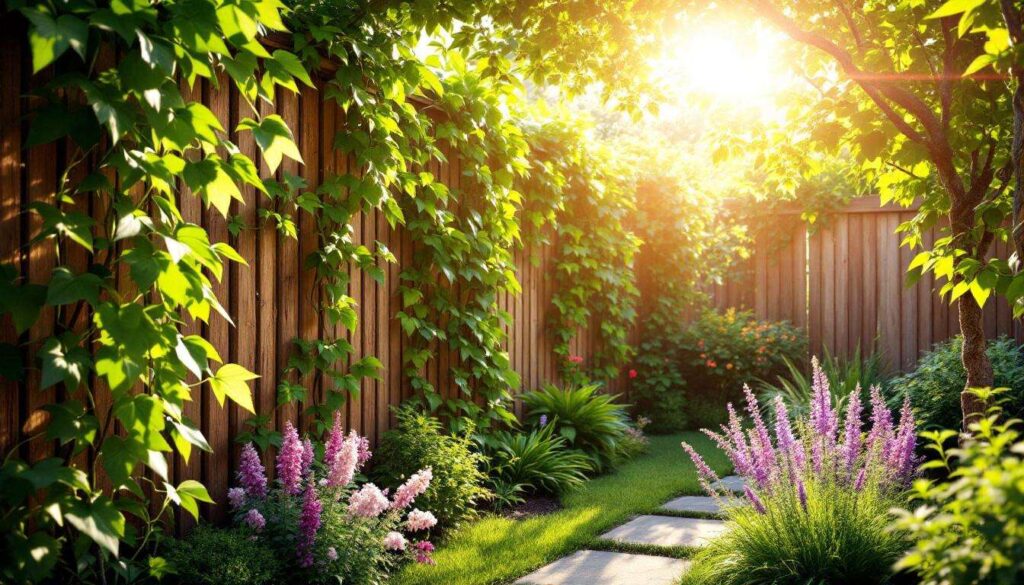
Creating a secluded garden sanctuary doesn’t require years of patience or extensive construction work. Fast-growing climbing plants offer an elegant, natural solution to screen unsightly views, shield your outdoor space from prying eyes, and establish verdant boundaries within months rather than years. With the right selection and proper planting techniques, you can transform an exposed garden into a private retreat before the summer months arrive.
The benefits of climbing plants for privacy
Natural screening without the expense
Climbing plants provide cost-effective privacy solutions compared to traditional fencing or masonry walls. These living screens require minimal initial investment, typically costing a fraction of constructed alternatives whilst delivering aesthetic appeal that artificial barriers simply cannot match. The natural foliage creates softer boundaries that blend seamlessly with garden landscapes.
Environmental advantages for your garden
Beyond their screening capabilities, climbers contribute significantly to garden ecosystems:
- Improved air quality through increased oxygen production and pollutant absorption
- Enhanced biodiversity by providing habitats for beneficial insects and nesting birds
- Natural cooling effects that reduce surrounding temperatures during warm months
- Sound dampening properties that minimise traffic noise and neighbourhood disturbances
- Carbon sequestration that supports environmental sustainability
Versatility in garden design
Climbing plants adapt to various garden situations, whether covering pergolas, arbours, trellises, or boundary fences. Their vertical growth pattern maximises space efficiency, making them particularly valuable for smaller urban gardens where horizontal planting area is limited. This adaptability allows gardeners to create privacy precisely where needed without sacrificing valuable ground space for borders or hedging.
Understanding these advantages sets the foundation for selecting the most suitable varieties for your specific requirements.
The best varieties to plant for a more private garden
Clematis montana for rapid coverage
Clematis montana stands out as an exceptionally vigorous climber, capable of growing up to 8 metres in a single season. This deciduous plant produces masses of pink or white flowers in late spring, creating a spectacular display whilst establishing dense foliage coverage. The variety thrives in most soil conditions and tolerates partial shade, making it suitable for challenging positions where other climbers might struggle.
Russian vine for maximum speed
Often called mile-a-minute plant, Russian vine (Fallopia baldschuanica) justifies its nickname with astonishing growth rates reaching 4 metres annually. This deciduous climber produces cascades of creamy-white flowers from summer through autumn. However, its vigorous nature requires careful consideration, as it can overwhelm smaller structures and neighbouring plants without regular pruning.
Honeysuckle for fragrance and coverage
Lonicera varieties, particularly Lonicera japonica ‘Halliana’, combine rapid growth with delightful evening fragrance. These semi-evergreen climbers maintain foliage throughout milder winters, providing year-round screening. The tubular flowers attract pollinators whilst the dense twining stems create effective privacy barriers. Growth rates typically reach 3-4 metres per season once established.
Golden hop for decorative screening
Humulus lupulus ‘Aureus’ offers striking golden-yellow foliage that brightens shaded areas whilst providing substantial coverage. This herbaceous perennial dies back to ground level each winter but regrows with remarkable speed each spring, reaching 5-6 metres by midsummer. The distinctive cone-shaped flowers add architectural interest throughout late summer and autumn.
| Variety | Annual growth | Foliage type | Best position |
|---|---|---|---|
| Clematis montana | 6-8 metres | Deciduous | Sun/partial shade |
| Russian vine | 3-4 metres | Deciduous | Any aspect |
| Honeysuckle | 3-4 metres | Semi-evergreen | Sun/shade |
| Golden hop | 5-6 metres | Herbaceous | Partial shade |
With suitable varieties identified, attention must turn to ensuring optimal planting conditions for successful establishment.
Tips for choosing and preparing the right location
Assessing sunlight and exposure
Different climbing plants have varying light requirements that significantly impact growth rates and overall health. Observe your intended planting location throughout the day to determine sun exposure patterns. South-facing positions receive maximum sunlight, ideal for sun-loving varieties, whilst north-facing aspects suit shade-tolerant climbers. Consider seasonal variations in sunlight, particularly deciduous trees that may cast shade during summer months.
Evaluating soil conditions
Soil quality directly influences establishment speed and long-term vigour. Most fast-growing climbers prefer well-drained, moisture-retentive soil enriched with organic matter. Test your soil’s drainage by digging a hole approximately 30 centimetres deep and filling it with water. If water remains after 24 hours, drainage improvement is necessary through the incorporation of horticultural grit or raised planting.
Providing adequate support structures
The support system must accommodate the mature size and weight of your chosen climber. Essential considerations include:
- Structure strength: ensure fixings can support several years of growth
- Spacing from walls: maintain 5-10 centimetres gap for air circulation
- Material durability: choose rot-resistant timber or galvanised metal
- Grid spacing: position horizontal wires or trellis bars 30-45 centimetres apart
- Secure anchoring: fix supports firmly to prevent collapse under wind load
Preparing the planting area
Thorough ground preparation establishes the foundation for rapid growth. Remove all perennial weeds, particularly bindweed and ground elder, which compete aggressively with young plants. Excavate a planting hole twice the width and depth of the root ball, incorporating generous quantities of well-rotted compost or manure. This enriched planting pocket provides essential nutrients during the critical establishment phase.
Proper preparation creates ideal conditions, but specific techniques can further accelerate growth rates.
Tricks to encourage rapid growth
Strategic planting timing
Spring planting allows climbers to establish root systems before summer heat arrives, whilst autumn planting enables root development during mild, moist conditions before winter dormancy. Container-grown specimens can be planted year-round, provided the ground isn’t frozen or waterlogged, though spring remains optimal for maximum first-season growth.
Initial training and guidance
Young climbers benefit from deliberate training that encourages horizontal spread rather than purely vertical growth. Fan out stems across the support structure, securing them with soft plant ties at regular intervals. This technique promotes multiple growing points and accelerates coverage. Remove ties periodically to prevent constriction as stems thicken.
Feeding for vigorous development
Fast-growing climbers are hungry plants that respond dramatically to regular feeding. Apply a balanced slow-release fertiliser at planting time, followed by liquid feeds every fortnight during the growing season. Potassium-rich feeds applied from midsummer onwards encourage flower production and improve winter hardiness without promoting excessive soft growth vulnerable to frost damage.
Watering strategies for establishment
Consistent moisture availability during the first growing season proves critical for rapid establishment. Water deeply rather than frequently, encouraging deep root penetration that improves drought tolerance. Apply 10-15 litres weekly during dry periods, increasing frequency during hot weather. Mulching around the base retains moisture and suppresses competing weeds.
Once established, ongoing maintenance ensures climbers remain healthy, attractive, and effective privacy screens.
Maintenance and care for lush climbers
Pruning techniques for density
Strategic pruning encourages bushier growth and prevents bare lower stems. Remove approximately one-third of the oldest stems annually, cutting back to ground level or a strong side shoot. This renewal pruning stimulates fresh growth from the base, maintaining coverage throughout the plant’s height. Timing varies by species: prune spring-flowering climbers immediately after flowering, whilst late-flowering varieties benefit from early spring pruning.
Pest and disease monitoring
Vigorous climbers generally resist pest and disease problems, though vigilance prevents minor issues escalating. Common concerns include:
- Aphid infestations on new growth: control with insecticidal soap or encourage natural predators
- Powdery mildew during dry spells: improve air circulation and avoid overhead watering
- Clematis wilt affecting susceptible varieties: remove affected stems promptly
- Vine weevil damage to container-grown specimens: apply biological controls in spring
Seasonal care requirements
Winter protection safeguards tender new growth on semi-evergreen varieties. Apply mulch around root zones before hard frosts arrive, and consider horticultural fleece for exposed positions during severe weather. Spring brings opportunities to refresh mulch layers, apply slow-release fertiliser, and complete any necessary pruning before active growth commences.
With proper care established, these living screens deliver transformative effects throughout your garden.
How these plants transform your outdoor space
Creating distinct garden rooms
Climbing plants enable the division of gardens into separate functional areas without harsh visual barriers. A pergola clad with fragrant honeysuckle separates dining spaces from vegetable plots, whilst trellis panels covered in clematis screen utility areas from view. This compartmentalisation creates intimacy and purpose within larger gardens whilst maintaining visual flow through seasonal interest and varied textures.
Enhancing property value and appeal
Mature climbing plants contribute measurably to property aesthetics and perceived value. Well-maintained climbers suggest careful garden stewardship and create immediate visual impact that potential buyers appreciate. The established privacy they provide represents years of growth that new owners would otherwise wait to achieve, making properties more desirable in competitive markets.
Extending usable outdoor seasons
Privacy screening encourages increased garden use by creating sheltered microclimates and comfortable outdoor rooms. Wind reduction around seating areas extends comfortable outdoor dining into cooler months, whilst dappled shade from overhead climbers makes summer spaces more pleasant during hot weather. This enhanced usability maximises return on garden investment throughout the year.
Fast-growing climbing plants offer practical solutions for establishing garden privacy within a single growing season. By selecting appropriate varieties for your specific conditions, preparing planting sites thoroughly, and implementing growth-accelerating techniques, you can create effective natural screens that enhance both privacy and garden aesthetics. Regular maintenance ensures these living boundaries remain healthy and attractive for years to come, transforming exposed outdoor spaces into secluded sanctuaries that invite relaxation and enjoyment throughout the seasons.