



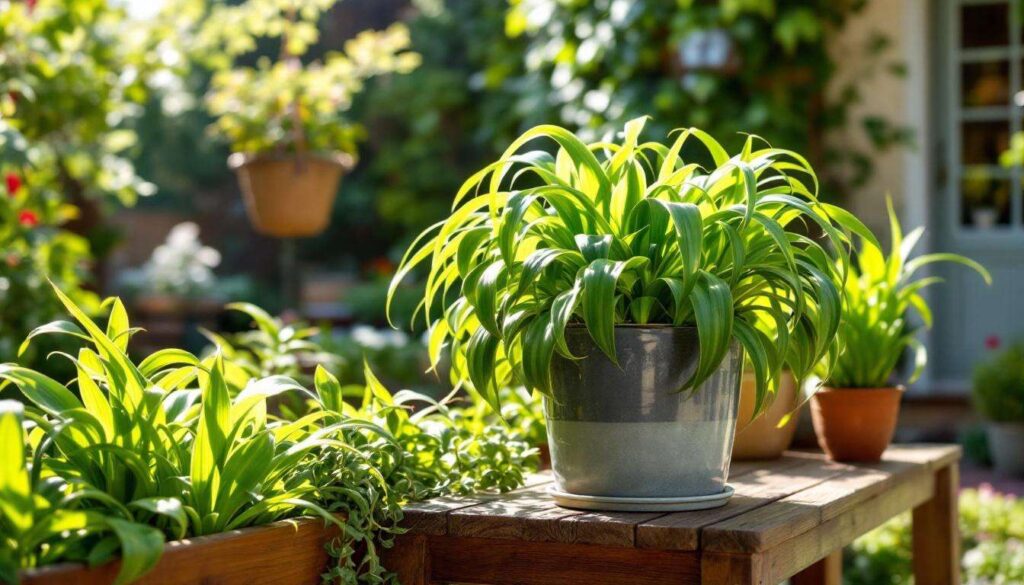
The humble spider plant, long relegated to hanging baskets in conservatories and office corners, is experiencing an unexpected renaissance. Gardening enthusiasts and landscape designers are increasingly placing these resilient houseplants outdoors, transforming patios, borders, and container displays with their distinctive arching foliage and cascading plantlets. This shift represents more than just aesthetic experimentation: it reflects a growing appreciation for low-maintenance, adaptable species that thrive with minimal intervention whilst delivering maximum visual impact throughout the growing season.
Why “Spider plants” are trending in our gardens
A shift in gardening priorities
Contemporary gardeners are prioritising sustainability and practicality over labour-intensive displays. Spider plants, scientifically known as Chlorophytum comosum, perfectly align with this philosophy. Their ability to tolerate neglect, propagate effortlessly, and adapt to varying light conditions makes them ideal for time-poor households seeking attractive outdoor spaces without demanding maintenance schedules.
Social media influence
Digital platforms have accelerated the spider plant’s popularity. Instagram and Pinterest showcase innovative outdoor arrangements featuring these plants in unexpected contexts:
- Cascading from wall-mounted planters on urban balconies
- Creating textural contrast in mixed container displays
- Forming ground cover in sheltered courtyard gardens
- Suspended from pergolas and archways for dramatic effect
This visual documentation has inspired gardeners to reconsider traditional houseplants as viable outdoor specimens during warmer months.
Environmental adaptability
Climate patterns are becoming increasingly unpredictable, prompting gardeners to seek resilient species. Spider plants demonstrate remarkable tolerance to temperature fluctuations, provided they’re protected from frost. Their capacity to recover from temporary stress makes them particularly appealing for transitional seasons when weather remains uncertain.
Understanding these driving forces helps explain why spider plants are moving from windowsills to garden beds, where their architectural qualities can be fully appreciated.
The benefits of outdoor “Spider plants”
Air quality improvement
Research has demonstrated that spider plants possess air-purifying properties, removing toxins such as formaldehyde and xylene from their surroundings. Whilst this benefit is well-documented indoors, outdoor placement near seating areas and entertaining spaces can contribute to fresher air quality in frequently occupied zones.
Propagation opportunities
Spider plants produce numerous plantlets, or “spiderettes”, which dangle from arching stems. Outdoors, these create a living curtain effect that adds movement and dimension to vertical spaces. Each plantlet can be easily rooted, providing endless opportunities for expansion or sharing with fellow gardeners without additional expense.
Versatility in design applications
| Garden context | Application method | Visual effect |
|---|---|---|
| Patio containers | Mixed plantings with trailing species | Textural contrast and year-round interest |
| Hanging baskets | Solo specimens or grouped displays | Cascading foliage creating privacy screens |
| Border edges | Seasonal bedding alternative | Architectural punctuation between flowering plants |
| Courtyard gardens | Ground cover in sheltered microclimates | Lush, tropical atmosphere |
Economic advantages
Spider plants represent exceptional value for budget-conscious gardeners. A single mature specimen can generate dozens of offspring within one growing season, eliminating the need for repeated purchases. Their longevity and resistance to common pests further reduce ongoing expenditure on replacements and treatments.
These practical advantages complement their aesthetic appeal, making spider plants increasingly attractive for outdoor cultivation.
Planting “Spider plants”: tips and tricks
Optimal timing and location
Successful outdoor placement depends on careful timing and site selection. Spider plants should only be moved outdoors once nighttime temperatures consistently remain above 10°C. Choose locations that offer:
- Bright, indirect light or partial shade
- Protection from intense midday sun, which can scorch foliage
- Shelter from strong winds that may damage delicate leaves
- Easy access to water sources during dry periods
Soil requirements and container selection
Spider plants thrive in well-draining, nutrient-rich growing media. For container cultivation, select pots with adequate drainage holes and use a quality multipurpose compost mixed with perlite or horticultural grit to improve drainage. Container size should accommodate the plant’s tuberous root system whilst allowing room for expansion.
Acclimatisation process
Plants previously grown indoors require gradual acclimatisation to outdoor conditions. This hardening-off process should span seven to ten days:
- Begin by placing plants outdoors for two hours in a sheltered spot
- Gradually increase exposure time daily
- Monitor for signs of stress such as leaf browning or wilting
- Return plants indoors if temperatures drop unexpectedly
This measured approach prevents shock and ensures successful establishment in their new environment, setting the foundation for proper ongoing care.
Maintaining “Spider plants” outdoors
Watering requirements
Outdoor spider plants typically require more frequent watering than their indoor counterparts due to increased evaporation and exposure. During active growth periods, soil should remain consistently moist but never waterlogged. Check moisture levels regularly by inserting a finger into the compost; water thoroughly when the top two centimetres feel dry.
Feeding schedule
Apply a balanced liquid fertiliser at half strength every two weeks throughout the growing season. Outdoor plants benefit from supplementary nutrients due to increased growth rates and the leaching effect of regular watering. Reduce feeding frequency as temperatures cool in autumn.
Grooming and maintenance tasks
Regular maintenance preserves the plant’s appearance and vigour:
- Remove brown leaf tips with clean, sharp scissors
- Trim damaged or yellowing foliage at the base
- Harvest plantlets for propagation or leave attached for cascading effect
- Wipe leaves occasionally to remove dust and debris
Seasonal considerations
As autumn approaches and temperatures decline, spider plants must return indoors before the first frost. Monitor weather forecasts closely and relocate plants when nighttime temperatures consistently drop below 10°C. This seasonal migration allows gardeners to enjoy outdoor displays during favourable weather whilst protecting plants from cold damage.
Understanding these maintenance requirements helps prevent common cultivation errors that can compromise plant health.
Common mistakes with “Spider plants” in open air
Overexposure to direct sunlight
The most frequent error involves placing spider plants in full sun positions. Whilst they tolerate bright light, intense direct sunlight causes leaf scorching, characterised by brown, crispy patches on foliage. This damage is irreversible and diminishes the plant’s ornamental value. Always provide afternoon shade or dappled light conditions.
Inadequate drainage
Spider plants are susceptible to root rot when grown in poorly draining conditions. Outdoor containers must have functioning drainage holes, and saucers should be emptied after watering to prevent waterlogging. Heavy clay soils in border plantings require amendment with organic matter and grit to improve drainage.
Neglecting frost protection
Spider plants cannot survive frost exposure. Gardeners occasionally misjudge seasonal timing, leaving plants outdoors too late in autumn or placing them outside prematurely in spring. Even brief exposure to freezing temperatures causes catastrophic damage. Always err on the side of caution with temperature thresholds.
Ignoring pest pressure
Outdoor cultivation exposes spider plants to pests rarely encountered indoors. Common problems include:
- Aphids clustering on new growth
- Slugs and snails damaging lower foliage
- Spider mites in hot, dry conditions
Regular inspection and prompt intervention prevent minor infestations from becoming serious problems.
Awareness of these pitfalls enables gardeners to implement preventative measures, which aligns with the professional guidance offered by horticultural authorities.
The RHS’s view on the “Spider plants” trend in 2026
Official recognition and recommendations
The Royal Horticultural Society has acknowledged the growing interest in outdoor spider plant cultivation, noting their adaptability and ornamental potential in contemporary garden design. RHS experts emphasise that whilst spider plants can enhance outdoor spaces during warmer months, gardeners must understand their tropical origins and temperature limitations.
Sustainability credentials
The RHS particularly values spider plants for their sustainable characteristics. Their prolific propagation reduces reliance on commercial production, their low water requirements suit increasingly dry summers, and their longevity minimises waste. These attributes align with the organisation’s broader mission to promote environmentally responsible gardening practices.
Educational initiatives
RHS gardens and demonstration sites are incorporating spider plants into display plantings to showcase innovative uses. These installations provide practical examples of successful outdoor cultivation techniques, helping visitors visualise applications in their own gardens whilst demonstrating proper care protocols.
Spider plants are proving that houseplant classics can successfully transition outdoors when given appropriate conditions and care. Their architectural foliage, ease of propagation, and minimal maintenance requirements address contemporary gardening priorities whilst offering versatile design possibilities. The RHS endorsement validates this trend, confirming that these adaptable plants deserve consideration beyond traditional indoor settings. As gardeners continue seeking resilient, sustainable species that deliver visual impact without demanding excessive resources, spider plants are positioned to remain popular fixtures in outdoor spaces throughout the growing season.