



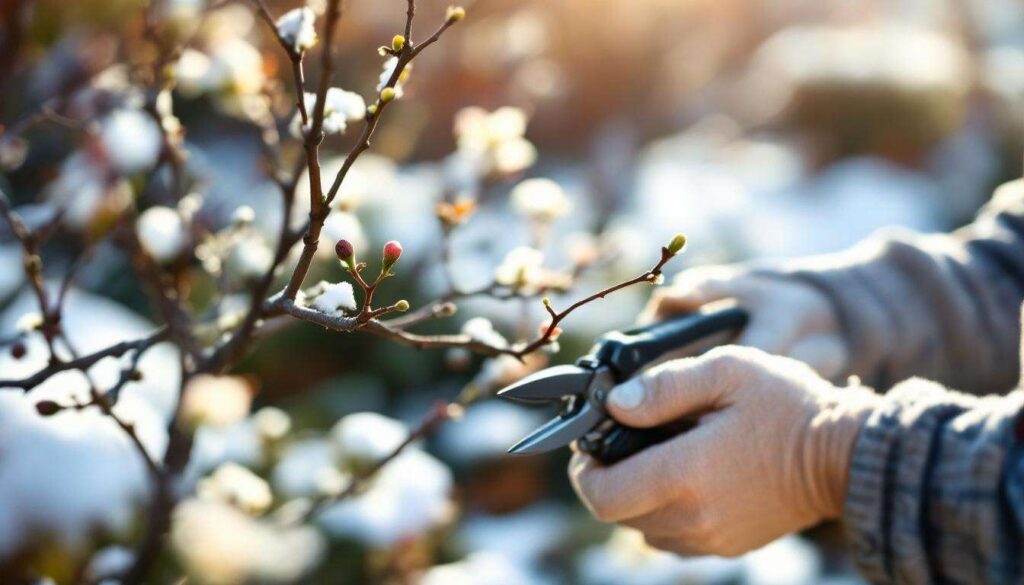
Gardeners across the UK face a critical window for maintaining the health and vigour of their shrubs. Hard pruning during the dormant season offers the best opportunity to rejuvenate overgrown specimens and encourage robust spring growth. With temperatures beginning to rise and sap starting to flow through woody stems, February represents the final opportunity to carry out essential pruning work before plants emerge from winter dormancy. Missing this window can compromise flowering potential and leave shrubs vulnerable to disease.
The importance of winter pruning for shrubs
Understanding the dormancy advantage
Winter pruning takes advantage of a plant’s natural dormant period, when growth has ceased and energy reserves are stored in the root system. During this time, shrubs tolerate severe cutting back without experiencing the stress that accompanies pruning during active growth phases. The absence of leaves also provides gardeners with clear visibility of the plant’s structure, making it easier to identify crossing branches, dead wood, and areas requiring attention.
Benefits of hard pruning during winter
Conducting major pruning work whilst shrubs remain dormant delivers several significant advantages:
- Reduced risk of disease transmission as fungal spores and bacterial infections are less active in cold weather
- Minimal sap loss from cut surfaces, preventing unnecessary stress on the plant
- Improved wound healing as cuts callus over before spring growth commences
- Enhanced flowering potential as energy is redirected to fewer, healthier stems
- Better air circulation through the plant’s framework, reducing future disease pressure
The role of timing in successful pruning
Timing proves crucial for pruning success. Cutting too early in winter risks exposing fresh wounds to severe frost damage, whilst delaying until spring means pruning away developing flower buds and wasting the plant’s stored energy reserves. February strikes the optimal balance between these competing concerns, particularly in milder regions where spring arrives early.
Understanding these fundamental principles of winter pruning establishes the foundation for recognising why February holds such significance in the gardening calendar.
Why February is the ideal month for pruning
Temperature and growth patterns
February occupies a unique position in the horticultural year. Whilst still technically winter, lengthening daylight hours and gradually warming soil temperatures signal the approaching end of dormancy. Shrubs remain sufficiently dormant to tolerate hard pruning, yet close enough to spring that recovery begins almost immediately. This timing allows plants to channel their energy into producing vigorous new growth from the pruning cuts.
Weather conditions favouring pruning work
The weather patterns typical of February create favourable conditions for both gardeners and plants. The worst of winter’s harsh frosts have usually passed, reducing the risk of cold damage to freshly cut stems. Simultaneously, the drier conditions often experienced during late winter make outdoor work more practical than the waterlogged conditions of December and January.
| Month | Average Temperature | Pruning Suitability |
|---|---|---|
| December | 2-7°C | Too cold, frost risk high |
| January | 2-7°C | Acceptable but challenging |
| February | 3-8°C | Optimal window |
| March | 5-11°C | Growth beginning, window closing |
The urgency of the February deadline
As February progresses, the urgency increases. By the month’s end, many shrubs will have broken dormancy, with buds swelling and new shoots emerging. Pruning after this point removes the current season’s flowering potential and forces plants to divert energy away from growth and into wound repair. The February deadline is not arbitrary but rather dictated by natural growth cycles that cannot be postponed.
With the rationale for February pruning established, attention turns to identifying which specific shrubs require this intervention.
Shrubs to prune in February
Buddleia (butterfly bush)
Buddleia davidii ranks among the most forgiving shrubs for hard pruning. These vigorous growers flower on new season’s wood, making February the perfect time to cut stems back to within 30-60 cm of ground level. This severe treatment prevents the leggy, untidy growth that characterises neglected specimens whilst promoting the abundant flowering shoots that attract butterflies throughout summer.
Cornus (dogwood)
Grown primarily for their colourful winter stems, cornus varieties benefit from annual hard pruning to maintain the vibrant bark colour found on young wood. Cutting stems back to a low framework in February encourages a flush of new growth that will provide next winter’s display. Without this regular pruning, stems age and lose their intensity, diminishing the plant’s ornamental value.
Hydrangea paniculata
Unlike mophead hydrangeas which require gentler treatment, panicle hydrangeas flower on current season’s growth and respond well to hard pruning. Reducing stems to a framework of strong buds in February results in fewer but significantly larger flower panicles. This pruning also prevents the top-heavy growth that causes stems to flop under the weight of blooms.
Lavatera (tree mallow)
Lavatera demands annual hard pruning to prevent the woody, bare-based growth that develops without intervention. Cutting back to 30-45 cm in February maintains a compact, floriferous plant. Neglected specimens become increasingly difficult to renovate, making consistent February pruning essential for long-term plant health.
Salix (willow)
Willows grown for their coloured stems, particularly Salix alba varieties, require the same treatment as cornus. Hard pruning to a low framework produces the vibrant young stems that provide winter interest. The vigorous nature of willows means they tolerate severe cutting back without complaint, rapidly producing replacement growth.
Having identified the candidates for February pruning, the focus shifts to the practical techniques that ensure successful outcomes.
Pruning techniques for optimal growth
Making clean, proper cuts
The quality of pruning cuts directly influences healing speed and disease resistance. Cuts should be made at a slight angle approximately 5 mm above an outward-facing bud. This angle sheds water away from the bud whilst the outward orientation encourages open, well-structured growth. Ragged or torn cuts provide entry points for pathogens and heal slowly, compromising plant health.
Establishing the pruning framework
Hard pruning does not mean removing every stem to ground level. Most shrubs benefit from maintaining a permanent framework of main branches, with annual growth cut back to this structure. This approach provides:
- Structural stability for new growth
- A reservoir of stored energy in older wood
- Consistent plant height and spread
- Easier annual maintenance
Dealing with different stem ages
When renovating neglected shrubs, a staged approach often proves more successful than immediate drastic pruning. Removing one-third of the oldest stems each year over three seasons allows plants to adjust gradually whilst maintaining some flowering capacity. This technique particularly suits shrubs that have been left unpruned for several years.
Post-pruning care
Following hard pruning, shrubs benefit from a generous application of well-rotted compost or manure around the root zone, followed by a balanced fertiliser. This nutritional boost supports the vigorous growth that follows pruning. A 5-7 cm mulch layer conserves moisture and suppresses weeds that might compete with regenerating shrubs.
Understanding correct technique is incomplete without appreciating the consequences of delayed action.
Risks of late pruning
Loss of flowering potential
Delaying pruning beyond February means removing flower buds that have already begun developing. For shrubs that flower on new wood, this represents the entire season’s display. The disappointment of a flowerless summer serves as an expensive lesson in the importance of timely intervention.
Increased disease susceptibility
As temperatures rise and humidity increases in spring, fungal spores become increasingly active. Pruning cuts made during this period face higher infection rates than those made in February’s cooler, drier conditions. Diseases such as coral spot and canker readily colonise fresh wounds when conditions favour their spread.
Wasted plant energy
Plants mobilise stored energy reserves as growth commences in spring. Pruning after this process begins wastes these resources, forcing shrubs to repeat the energy-intensive process of bud break and shoot extension. This double expenditure weakens plants and reduces the vigour of subsequent growth.
Structural problems
Late pruning often results in poorly positioned regrowth. Cuts made after buds have broken stimulate growth from less desirable positions, creating crossing branches and congested centres that require corrective pruning in subsequent years. February pruning allows gardeners to direct growth more effectively by selecting appropriate buds.
Avoiding these risks requires not only timely action but also proper equipment preparation.
Preparing tools for February pruning
Essential pruning equipment
Successful pruning depends upon having the correct tools for different stem thicknesses. A comprehensive pruning kit includes:
- Bypass secateurs for stems up to 1.5 cm diameter
- Loppers for stems between 1.5-4 cm diameter
- Pruning saw for larger branches
- Gardening gloves for hand protection
- Disinfectant solution for cleaning blades between plants
Sharpening and maintenance
Blunt tools crush rather than cut stems, creating ragged wounds that heal poorly and invite disease. Before commencing February pruning, all cutting tools should be sharpened using appropriate files or sharpening stones. Bypass secateurs require sharpening only on the bevelled blade, whilst loppers and saws benefit from professional sharpening if significantly dulled.
Sterilisation protocols
Disease transmission between plants via contaminated tools represents a frequently overlooked risk. Wiping blades with a cloth soaked in disinfectant solution between shrubs prevents spreading infections. A solution of one part household disinfectant to nine parts water provides adequate sterilisation without damaging tool components.
Safety considerations
February’s often slippery conditions demand attention to safety. Stable footing, appropriate clothing, and awareness of overhead hazards prevent accidents. When using ladders for taller shrubs, ensuring a level, firm base and having assistance available reduces risk considerably.
The narrow window for hard pruning these five shrubs closes rapidly as February progresses. Gardeners who act promptly benefit from healthier, more floriferous plants that justify the effort invested. The combination of optimal timing, correct technique, and proper tool preparation transforms a potentially daunting task into a straightforward maintenance operation. Missing this opportunity means waiting another year whilst plants become increasingly difficult to manage. The investment of a few hours during February’s final weeks delivers rewards throughout the growing season and establishes the foundation for years of garden enjoyment.