



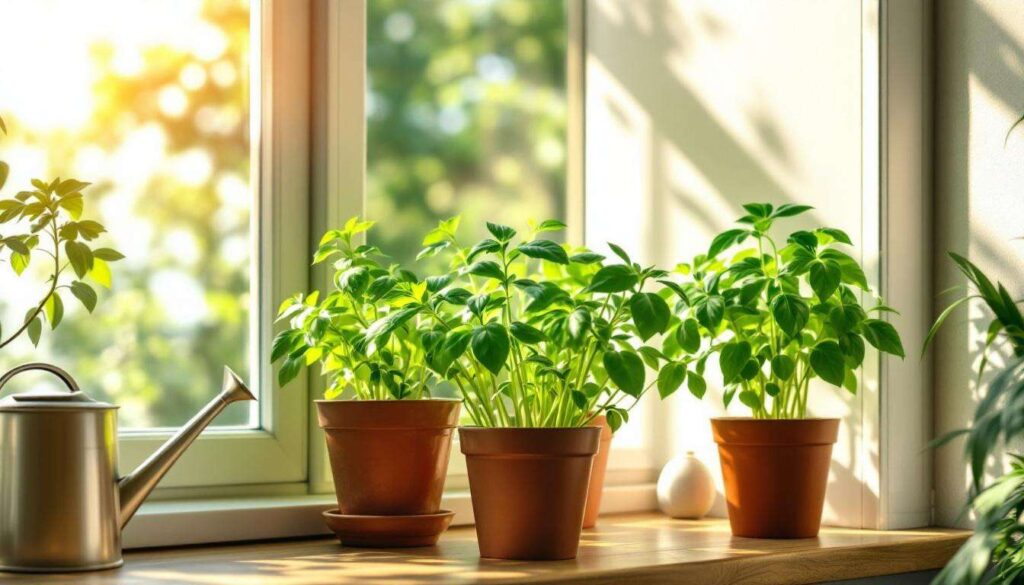
Growing fresh herbs indoors throughout the year transforms any kitchen into a vibrant culinary space, yet success depends entirely on understanding two fundamental factors. Light and humidity serve as the pillars of healthy herb cultivation, determining whether your plants will flourish or wither. Many enthusiasts struggle with keeping their indoor herbs alive beyond a few weeks, often because they overlook these critical environmental conditions. Mastering the balance between adequate illumination and proper moisture levels ensures a continuous supply of aromatic leaves for cooking, regardless of the season outside.
The importance of natural light for your herbs
Natural light represents the most vital component for successful indoor herb cultivation. Without sufficient exposure, plants become weak and spindly, stretching desperately towards any available light source in a process called etiolation. This compromises both the flavour and structural integrity of your herbs, rendering them unsuitable for culinary use.
Understanding light requirements for different varieties
Different herbs demand varying levels of illumination, and recognising these needs prevents common cultivation failures. Basil, for instance, thrives only with abundant bright light, requiring at least six hours of direct sun exposure daily. Conversely, mint demonstrates remarkable adaptability, tolerating lower light conditions whilst still producing flavourful leaves. This variance means strategic planning becomes essential when selecting which herbs to grow indoors.
| Herb | Light requirement | Minimum daily hours |
|---|---|---|
| Basil | High | 6-8 hours |
| Rosemary | High | 6-8 hours |
| Mint | Medium | 4-6 hours |
| Parsley | Medium | 4-6 hours |
| Chives | Medium | 4-6 hours |
Positioning for optimal light exposure
South-facing windows provide the most consistent natural light throughout the day, making them ideal locations for light-hungry herbs. East or west-facing windows offer moderate exposure suitable for less demanding varieties. If natural light proves insufficient, supplemental grow lights can compensate, though they must emit the correct spectrum to support photosynthesis effectively. Rotating pots regularly ensures all sides of the plant receive equal exposure, promoting balanced growth rather than one-sided development.
Understanding these illumination principles naturally leads to considering how moisture in the air interacts with light to create the perfect growing environment.
Maintaining the right humidity level to preserve freshness
Humidity management directly influences how herbs transpire and absorb nutrients, making it inseparable from light considerations. Moderate humidity levels combined with adequate lighting allow plants to regulate their internal processes efficiently, resulting in robust growth and concentrated flavours.
The relationship between humidity and plant health
When humidity drops too low, herbs lose moisture through their leaves faster than roots can replenish it, causing wilting and browning at the edges. Conversely, excessive humidity in poorly ventilated spaces encourages fungal diseases and root rot. Most culinary herbs prefer humidity levels between 40 and 60 percent, which fortunately aligns with comfortable indoor conditions for humans.
Practical methods to regulate moisture in the air
Several straightforward techniques help maintain appropriate humidity around your indoor herb garden:
- Grouping plants together creates a microclimate where collective transpiration raises local humidity
- Placing pots on trays filled with pebbles and water allows evaporation without waterlogging roots
- Misting leaves lightly in the morning provides temporary relief during particularly dry periods
- Positioning herbs away from heating vents prevents rapid moisture loss
- Using a small humidifier nearby benefits multiple plants simultaneously
Monitoring humidity with an inexpensive hygrometer removes guesswork, allowing precise adjustments based on actual measurements rather than assumptions.
Once you’ve established the proper atmospheric conditions, attention must turn to how water reaches the roots themselves.
Tips for balanced watering and healthy roots
Watering represents perhaps the most common area where indoor herb gardeners falter. Over-watering kills more herbs than under-watering, yet finding the balance requires observation and restraint rather than rigid schedules.
Recognising when herbs need water
Rather than watering on predetermined days, assess actual plant needs through physical inspection. Insert a finger approximately two centimetres into the soil; if it feels dry at this depth, watering becomes necessary. The top layer should dry between waterings, preventing perpetually soggy conditions that suffocate roots and promote disease. Different pot sizes and materials affect drying rates, with terracotta pots allowing faster evaporation than plastic or glazed ceramic containers.
Proper watering technique for optimal results
Water thoroughly until liquid drains from the bottom of the pot, ensuring the entire root system receives moisture. This encourages roots to grow downward throughout the soil rather than clustering near the surface. Always empty drainage trays after watering to prevent roots from sitting in standing water. Room-temperature water causes less shock to roots than cold water directly from the tap, particularly during winter months when the temperature difference becomes pronounced.
These watering practices work best when combined with thoughtful decisions about where to position your herb containers within your home.
Strategic placement for a sustainable herb garden
Location determines success or failure for indoor herbs, as it governs light exposure, temperature stability, and accessibility for regular maintenance. Choosing the right spot from the outset saves considerable frustration later.
Evaluating potential locations in your home
Windows provide natural light but also create temperature fluctuations, particularly during winter when cold glass surfaces cool nearby air. Position pots close enough to benefit from light but far enough to avoid temperature extremes. Kitchens offer convenient access for cooking but often experience humidity spikes from boiling water and temperature variations from ovens. Bathrooms provide natural humidity but typically lack sufficient light unless equipped with suitable windows.
Creating stable growing conditions
Herbs prefer consistent temperatures between 15 and 21 degrees Celsius, avoiding dramatic shifts between day and night. Keep plants away from draughty doors and windows that open frequently. Adequate air circulation prevents fungal issues without creating strong currents that stress plants. A small oscillating fan set on low speed provides gentle movement that strengthens stems whilst preventing stagnant air.
With the environment optimised, selecting appropriate herb varieties ensures your efforts yield maximum rewards.
The best herbs for indoor cultivation
Not all herbs adapt equally well to indoor conditions, making variety selection crucial for beginners and experienced growers alike. Starting with forgiving species builds confidence before attempting more challenging plants.
Reliable herbs for consistent results
Several varieties demonstrate particular resilience indoors:
- Mint: grows vigorously, tolerates partial shade, and regenerates quickly after harvesting; contains growth in pots as it spreads aggressively
- Chives: requires minimal care, regrows rapidly after cutting, and tolerates cooler temperatures than many herbs
- Parsley: adapts to various light conditions, produces continuously with regular harvesting, and offers both flat-leaf and curly varieties
- Rosemary: prefers drier soil, needs bright light, and develops woody stems that provide structure
- Basil: demands more attention with high light requirements but rewards with abundant aromatic leaves
Timing for bringing outdoor herbs inside
Autumn presents the ideal window for transitioning outdoor herbs indoors, coinciding with the end of the growing season. This protects frost-sensitive plants whilst ensuring a continuous supply throughout winter. Acclimate plants gradually by bringing them indoors for increasingly longer periods over a week, reducing transplant shock. Inspect thoroughly for pests before bringing containers inside, as outdoor insects can establish populations in the protected indoor environment.
Even the most suitable herbs require consistent attention to maintain their vitality throughout the year.
Daily care to extend the life of your herbs
Routine maintenance separates thriving herb gardens from struggling collections. Regular observation allows early detection of problems before they become severe, whilst consistent care promotes vigorous growth.
Harvesting techniques that promote continued growth
Harvest herbs in the morning after dew has dried but before afternoon heat, when essential oil concentrations peak. Remove no more than one-third of the plant at any single harvest, allowing sufficient foliage to remain for photosynthesis. Pinch stems just above a leaf node, encouraging branching that creates bushier, more productive plants. Frequent light harvesting produces better results than occasional heavy cutting.
Monitoring for common problems
Check regularly for signs of stress or disease:
- Yellowing leaves often indicate over-watering or nutrient deficiency
- Brown, crispy edges suggest insufficient humidity or under-watering
- Leggy growth signals inadequate light
- Wilting despite moist soil may indicate root rot
- Sticky residue or visible insects require immediate pest management
Address issues promptly by adjusting environmental conditions or treatment approaches. Removing damaged foliage prevents disease spread and improves appearance.
Successful indoor herb cultivation relies on understanding and implementing proper light exposure and humidity management alongside consistent care routines. By positioning plants strategically, selecting appropriate varieties, and maintaining balanced watering practices, fresh herbs remain available throughout the year. Regular monitoring and responsive adjustments to changing conditions ensure plants remain healthy and productive, transforming any indoor space into a functional culinary garden that delivers flavour and satisfaction regardless of outdoor weather conditions.