



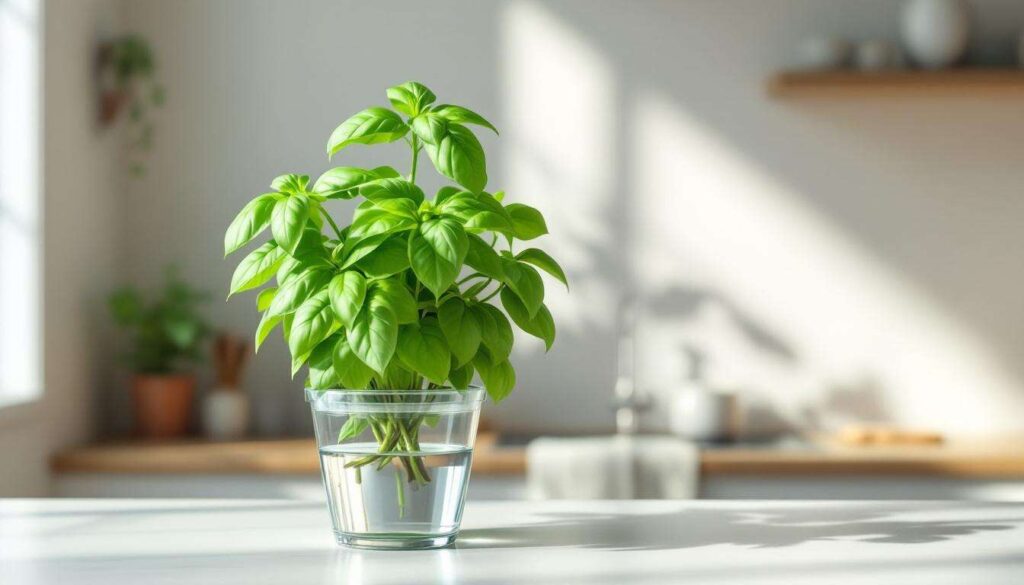
Growing basil indoors offers the promise of fresh herbs at your fingertips, yet many home gardeners struggle to keep their plants thriving beyond a few weeks. The vibrant green leaves that looked so promising at the supermarket often wilt and fade, leaving frustration in their wake. However, a simple yet ingenious approach combining strategic watering and regular pruning can transform your indoor basil from a short-lived purchase into a flourishing herb garden centrepiece.
Understanding the importance of effective watering
Why traditional watering methods often fail
Most indoor basil plants suffer from inconsistent moisture levels rather than simple neglect. Watering from above creates several problems that compromise plant health. The soil surface may appear wet whilst deeper roots remain dry, leading to uneven hydration that stresses the plant. Additionally, overhead watering can cause water to pool around stems, creating conditions favourable for fungal diseases and root rot.
The science behind bottom watering
Plants naturally draw water upwards through capillary action, a process that mimics how they would access moisture in their natural environment. Bottom watering leverages this biological mechanism, offering several distinct advantages:
- Encourages deeper root development as roots grow downwards seeking moisture
- Prevents overwatering by allowing plants to absorb only what they need
- Reduces risk of fungal growth on leaves and stems
- Maintains consistent soil moisture throughout the pot
This fundamental understanding of plant hydration sets the foundation for more advanced cultivation techniques that address basil’s specific requirements.
The principle of the double pot for indoor basil
Setting up your double pot system
The double pot technique requires minimal equipment yet delivers remarkable results. Begin by selecting a pot with adequate drainage holes, typically measuring 18 to 24 centimetres in diameter. This size provides sufficient space for basil’s root system to expand whilst remaining manageable for indoor cultivation. The pot should sit comfortably inside a larger saucer or shallow bowl that can hold water without tipping.
Repotting for optimal growth
When transferring supermarket basil to its new home, use standard multipurpose compost rather than specialised mixes. The repotting process involves gently loosening the root ball to encourage outward growth, then positioning the plant at the same depth it occupied in its original container. Firm the compost gently around the roots, leaving approximately two centimetres of space below the pot rim for watering.
| Component | Specification | Purpose |
|---|---|---|
| Inner pot | 18-24 cm diameter with drainage | Houses plant and allows water uptake |
| Outer saucer | 2-3 cm deep, wider than pot | Creates water reservoir |
| Compost | Standard multipurpose | Provides nutrients and structure |
Positioning for success
Basil thrives in warm, sunny locations where it receives at least six hours of direct sunlight daily. South-facing windowsills prove ideal in most homes, though east or west-facing positions can work if light levels remain adequate. Temperature consistency matters as much as light exposure, with basil preferring environments between 18 and 24 degrees Celsius.
Once your double pot system is established and positioned correctly, the watering method becomes the critical factor in maintaining plant vitality.
The water mug method: a key to keeping basil fresh
Implementing bottom watering correctly
After allowing your repotted basil several days to settle, transition to the water mug approach. Fill the outer saucer or bowl with water, ensuring the level reaches approximately one to two centimetmetres up the sides of the inner pot. The plant will draw moisture upwards as needed, with the compost acting as a wick.
Monitoring water levels
Regular observation prevents both drought stress and waterlogging. Check the saucer daily, particularly during warmer periods when evaporation accelerates. The water level should never drop completely, yet it should also reduce noticeably between refills, indicating the plant is actively absorbing moisture. If water remains static for several days, reduce the quantity slightly to prevent stagnation.
Adjusting for seasonal changes
Water requirements fluctuate throughout the year based on several environmental factors:
- Temperature increases during summer months boost transpiration rates
- Central heating in winter can dry indoor air significantly
- Longer daylight hours in spring and summer accelerate growth
- Shorter winter days reduce overall water consumption
Adapting your watering schedule to these variations ensures consistent plant health regardless of season.
Whilst proper hydration forms the foundation of basil care, encouraging bushier growth requires a complementary approach.
The role of daily pinching in basil maintenance
Understanding pinching technique
Pinching refers to the selective removal of growing tips to promote lateral branching. When you remove the terminal bud at the top of a stem, the plant redirects energy to lower growth points, resulting in a bushier, more productive specimen. This technique prevents basil from becoming tall and leggy whilst maximising leaf production.
How to pinch effectively
Locate the newest growth at the tip of each stem, where two small leaves are emerging. Using your thumb and forefinger, gently pinch just above the next set of mature leaves below. The stem should snap cleanly without tearing. Focus on stems that have developed at least three sets of leaves, as younger growth needs time to establish before pruning.
Frequency and timing
Despite the term “daily pinch”, this maintenance task need not occur every single day. Instead, make it part of your regular inspection routine, removing growth tips whenever stems extend beyond your desired height. During peak growing season, this might indeed mean daily attention, whilst winter growth may require intervention only weekly.
| Growth stage | Pinching frequency | Expected outcome |
|---|---|---|
| Newly repotted | Wait 2-3 weeks | Establishment of root system |
| Active growth | Every 2-3 days | Bushy, compact form |
| Winter dormancy | Weekly as needed | Maintained shape |
Harvesting versus pinching
These techniques overlap considerably, as harvesting leaves for culinary use accomplishes the same branching effect as pinching. When gathering basil for cooking, take entire stem sections rather than individual leaves. This approach combines maintenance with productivity, ensuring your plant remains shapely whilst providing fresh herbs for your kitchen.
Beyond these core techniques, several additional strategies can elevate your basil cultivation from adequate to exceptional.
Additional tips to optimise basil growth
Feeding your basil
Whilst compost provides initial nutrients, regular feeding supports sustained productivity. Apply a balanced liquid fertiliser at half the recommended strength every two weeks during the growing season. Avoid high-nitrogen formulations that promote excessive leaf growth at the expense of flavour intensity.
Preventing flowering
When basil produces flowers, leaf production slows and flavour deteriorates. Remove flower buds immediately upon appearance, pinching them off at their base. This redirects the plant’s energy back into foliage production, extending the harvest period considerably.
Managing pests indoors
Indoor basil faces fewer pest pressures than outdoor plants, yet problems can still arise:
- Aphids may appear on new growth during warm periods
- Whiteflies occasionally infest plants near open windows
- Fungus gnats breed in overly moist compost
Address infestations promptly using organic solutions such as insecticidal soap or neem oil, avoiding chemical pesticides that may leave residues on edible leaves.
Maximising light exposure
If natural light proves insufficient, supplement with grow lights positioned 15 to 30 centimetres above the plant. LED options offer energy efficiency whilst providing the full spectrum basil requires for photosynthesis. Maintain a lighting schedule of 12 to 16 hours daily for optimal results.
With your basil thriving through proper care, the ultimate reward lies in incorporating this fresh herb into your culinary creations.
Incorporating basil into your dishes for added freshness
Harvesting for maximum flavour
Basil leaves contain the highest concentration of essential oils in the morning after the plant has recovered from the previous day’s heat. Harvest before midday when possible, selecting mature leaves that have reached full size. Avoid washing leaves until immediately before use, as moisture accelerates deterioration.
Classic preparations
Fresh basil transforms simple ingredients into memorable dishes. Traditional applications include:
- Caprese salad combining tomatoes, mozzarella and whole basil leaves
- Pesto made by blending basil with pine nuts, garlic, Parmesan and olive oil
- Margherita pizza topped with torn basil leaves after baking
- Thai curries featuring holy basil for authentic flavour profiles
Preserving excess harvest
When your plant produces more than you can use fresh, preservation extends enjoyment beyond the immediate harvest. Freeze whole leaves in ice cube trays covered with water or olive oil, creating convenient portions for future use. Alternatively, dry leaves in a low-temperature oven, though this method sacrifices some aromatic complexity compared to fresh or frozen options.
Successful indoor basil cultivation combines proper watering through the double pot method, regular pinching to encourage bushiness, and attentive care that addresses the plant’s changing needs throughout the year. This affordable supermarket herb transforms into a reliable source of fresh flavour when given appropriate conditions and maintenance. The satisfaction of snipping fragrant leaves from a thriving plant you have nurtured yourself adds immeasurable value to every dish they enhance, making the modest investment of time and attention remarkably worthwhile.