
Leaving your home for a holiday or extended trip can bring concerns about the wellbeing of your potted plants. Without regular attention, many indoor and outdoor plants risk drying out, wilting, or even dying. Fortunately, horticultural experts have developed numerous practical solutions to maintain adequate moisture levels during your absence. From simple low-tech approaches to more sophisticated automated systems, these strategies ensure your green companions remain healthy and hydrated until your return.
Understanding the watering needs of potted plants
Assessing individual plant requirements
Different plant species have vastly different hydration needs. Succulents and cacti can survive weeks without water, whilst ferns and tropical plants require consistent moisture to thrive. Before implementing any watering system, evaluate each plant’s specific requirements based on its natural habitat and growth patterns.
Factors affecting water consumption
Several environmental elements influence how quickly potted plants use water. Temperature, humidity levels, pot size, and exposure to sunlight all play crucial roles in determining moisture loss rates. Plants positioned in direct sunlight or warm locations will naturally consume water more rapidly than those in cooler, shadier spots.
- Pot material affects evaporation rates: terracotta dries faster than plastic or glazed ceramic
- Larger pots retain moisture longer than smaller containers
- Plants in active growth require more frequent watering than dormant specimens
- Humidity levels significantly impact transpiration rates
Pre-departure soil preparation
Approximately twenty-four hours before leaving, provide all potted plants with a thorough, deep watering. This ensures the entire root system receives adequate moisture. Allow excess water to drain completely to prevent root rot, but ensure the soil remains consistently damp throughout all layers.
Understanding these fundamental principles helps determine which watering methods will prove most effective for your specific collection of plants.
Autonomous watering methods for your plants
Drip irrigation systems
Automated drip irrigation represents one of the most reliable solutions for extended absences. These systems connect to a water source and deliver precise amounts of moisture at scheduled intervals. Battery-operated timers control water flow, ensuring plants receive consistent hydration without human intervention.
| System type | Duration suitable | Cost range |
|---|---|---|
| Basic timer with drippers | 1-4 weeks | Moderate |
| Smart irrigation controller | Unlimited | Higher |
| Gravity-fed reservoir | 1-2 weeks | Lower |
Self-watering globe systems
Glass or plastic watering globes offer an aesthetically pleasing and functional solution. These decorative bulbs gradually release water into the soil as it dries. Simply fill the globe with water and insert the narrow stem into the potting mix. The system works through natural soil tension, releasing moisture only when needed.
Wicking systems using capillary action
Capillary action provides an ingenious method for maintaining consistent moisture. Place one end of an absorbent cotton rope or specialised wick into a water reservoir, and bury the other end in the plant’s soil. Water travels along the wick, drawn by the dry soil’s natural suction.
These automated approaches work particularly well for those planning longer holidays or frequent travellers.
Low-tech systems for extended absences
Recycled bottle drip method
Creating a simple irrigation system from plastic bottles requires minimal investment. Pierce several small holes in the bottle cap, fill the container with water, and invert it into the soil. The water seeps gradually through the perforations, providing steady moisture over several days.
- Use larger bottles for bigger pots or longer absences
- Test the flow rate before departure to ensure proper drainage
- Position bottles away from plant stems to prevent rot
- Secure bottles firmly to prevent tipping
Bathtub and sink reservoir technique
For shorter trips, the bathroom can become a temporary plant sanctuary. Place a towel in the bathtub or sink, add several centimetres of water, and position pots on top. The towel acts as a wick, drawing moisture upward into the drainage holes. This method works best with plants that tolerate higher humidity levels.
Capillary mat arrangements
Specialised capillary matting, available from garden centres, provides excellent moisture retention. Lay the mat on a flat surface with one end submerged in a water reservoir. Place pots directly on the mat, ensuring good contact between the drainage holes and the fabric surface.
These budget-friendly options prove particularly valuable for gardeners seeking practical solutions without significant financial outlay.
Tips for caring for your indoor plants while on holiday
Reducing water demand before departure
Several preparatory steps can significantly decrease moisture requirements. Remove any flowers or buds, as these consume considerable water during development. Prune excessive foliage to reduce transpiration rates, but avoid severe cutting that might stress plants unnecessarily.
Enlisting reliable assistance
For absences exceeding two weeks, recruiting a trusted neighbour or friend often provides the most reliable solution. Provide clear written instructions specifying which plants need watering and how frequently. Demonstrate your watering technique and indicate any plants with special requirements.
Creating humidity through grouping
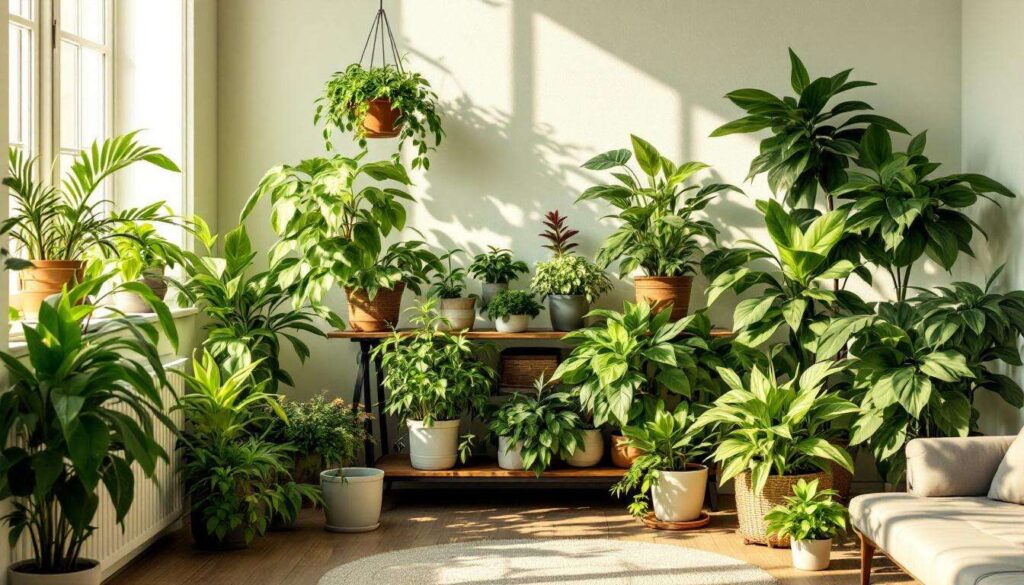
Clustering pots closely together creates a localised humid microclimate. As plants transpire, they release moisture into the surrounding air, which benefits neighbouring specimens. This communal arrangement reduces individual water loss whilst maintaining adequate humidity levels.
- Group plants with similar watering needs together
- Ensure adequate air circulation to prevent fungal issues
- Place saucers beneath pots to catch excess water
- Consider adding open water containers nearby to increase ambient humidity
Implementing these practical measures ensures your indoor garden receives appropriate attention throughout your absence.
Placing plants in the right spot to optimise humidity
Relocating to shadier positions
Moving pots away from direct sunlight substantially reduces water consumption. Position plants in areas receiving bright indirect light rather than harsh afternoon sun. North-facing windows or rooms with filtered light provide ideal temporary locations during your absence.
Utilising naturally humid areas
Bathrooms and kitchens typically maintain higher humidity levels than other rooms. If these spaces receive adequate natural light, they offer excellent temporary homes for moisture-loving plants. The residual humidity from showers and cooking helps maintain consistent moisture around foliage.
Avoiding heat sources and draughts
Keep plants away from radiators, heating vents, and air conditioning units. These appliances create artificial air movement that accelerates moisture loss. Similarly, avoid positioning pots near frequently opened doors or windows where draughts might increase transpiration rates.
Strategic placement combined with appropriate watering systems creates optimal conditions for plant survival during holidays.
Using self-watering pots and accessories
Understanding self-watering container design
Self-watering pots feature a built-in reservoir separated from the growing medium by a platform. Wicking columns or capillary matting draws water upward as the soil dries. These containers maintain consistent moisture levels without risk of overwatering, making them ideal for extended absences.
Terracotta watering spikes and ollas
Unglazed ceramic devices provide gradual water release through their porous walls. Ollas are buried clay pots filled with water that seep moisture directly into the root zone. Ceramic spikes attach to bottles or reservoirs, offering similar benefits with easier installation.
| Accessory type | Best for | Installation difficulty |
|---|---|---|
| Ceramic spikes | Individual pots | Easy |
| Buried ollas | Large containers | Moderate |
| Self-watering inserts | Standard pots | Easy |
Retrofitting existing containers
Converting conventional pots into self-watering systems requires minimal effort. Self-watering conversion kits include reservoirs that sit beneath existing containers, connected by wicking material. This approach allows you to maintain your current pot collection whilst gaining automated watering benefits.
Keeping potted plants adequately watered during absences requires thoughtful planning and appropriate systems tailored to trip duration and plant needs. Deep watering before departure, strategic placement away from direct sunlight, and implementation of either low-tech solutions or automated systems ensure your plants remain healthy. Whether choosing simple bottle drip methods, capillary mat arrangements, or investing in self-watering containers, testing systems beforehand proves essential. Combining multiple approaches often yields the best results, particularly for diverse plant collections with varying requirements. With proper preparation, your potted plants will flourish throughout your holiday, greeting your return with vibrant growth.