



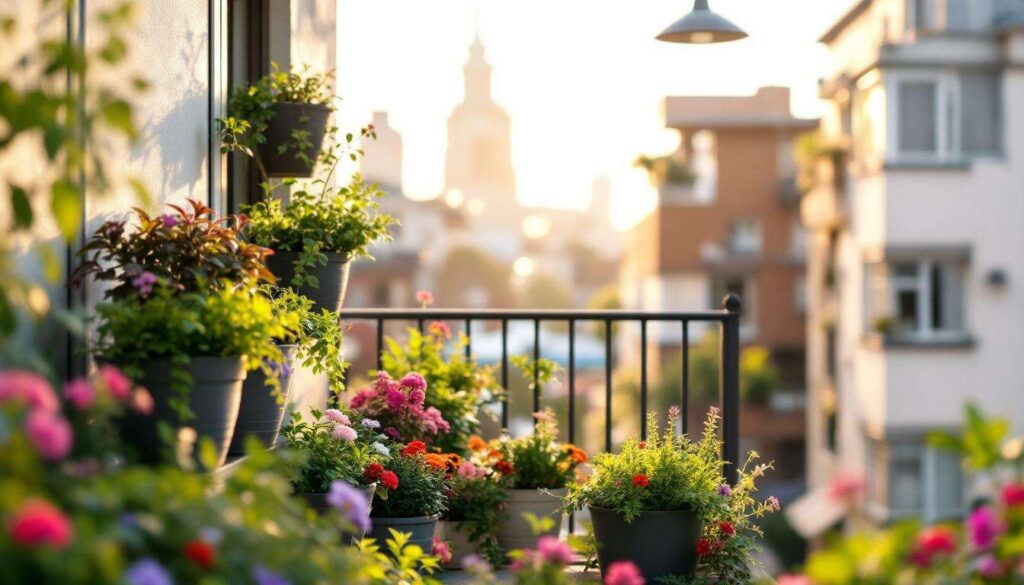
Urban living often means sacrificing outdoor space, yet the desire to cultivate greenery remains strong among flat dwellers and apartment residents. Vertical gardening has emerged as a practical solution, transforming cramped balconies and narrow terraces into thriving green sanctuaries. By growing plants upwards rather than outwards, this method allows city residents to maximise every centimetre of available space whilst creating visually stunning displays. The technique relies on strategic placement of containers, wall-mounted systems, and clever use of vertical structures to accommodate numerous plants within minimal footprints.
Understanding the concept of vertical pots
The fundamental principle behind vertical growing
Vertical pots operate on a simple yet revolutionary premise: utilising height rather than width to accommodate plant growth. This approach involves stacking containers, attaching planters to walls, or employing purpose-built structures that allow multiple plants to occupy the same ground area. A standard balcony railing measuring 60 cm in width can support up to 20 individual plants when vertical systems are implemented, compared to perhaps five or six in traditional horizontal arrangements.
Different types of vertical pot systems
Several configurations exist to suit varying balcony dimensions and structural limitations:
- Wall-mounted pocket planters: fabric or plastic pouches attached directly to vertical surfaces
- Stacked tower systems: tiered containers that allow plants to cascade downwards
- Railing-attached boxes: containers designed to hook over balustrade edges
- Freestanding ladder structures: shelving units that accommodate multiple pots at different heights
- Modular panel systems: interlocking units that create customisable vertical arrangements
Space efficiency calculations
| Growing method | Ground space required | Number of plants | Efficiency ratio |
|---|---|---|---|
| Traditional horizontal pots | 1 square metre | 8-10 plants | Baseline |
| Vertical systems | 1 square metre | 15-20 plants | Up to 100% increase |
These figures demonstrate the substantial gains achievable through vertical cultivation, particularly valuable in urban environments where outdoor space commands premium value. This efficiency extends beyond mere plant quantity to encompass improved growing conditions and aesthetic appeal.
The benefits of vertical gardening on balconies
Maximising limited square footage
The most obvious advantage lies in spatial optimisation. Vertical systems can increase planting capacity by up to 20% compared to traditional methods within identical footprints. This proves particularly valuable for balconies measuring less than three square metres, where every centimetre counts. By directing growth upwards, gardeners reclaim floor space for seating, storage, or simply maintaining comfortable movement around their outdoor area.
Enhanced growing conditions
Plants positioned vertically benefit from superior air circulation, reducing the risk of fungal diseases and pest infestations that thrive in stagnant conditions. Light distribution improves significantly, with upper plants receiving direct sunlight whilst lower tiers capture reflected and ambient light. This arrangement particularly benefits crops such as tomatoes and peppers, which can yield up to 30% more produce in vertical configurations compared to ground-level cultivation.
Aesthetic transformation of outdoor spaces
Beyond functionality, vertical gardens create living walls that transform bare concrete or brick surfaces into vibrant green features. This visual enhancement serves multiple purposes:
- Screening unsightly views or neighbouring properties
- Creating privacy barriers without solid structures
- Adding colour and texture to monotonous urban landscapes
- Improving perceived property value through enhanced curb appeal
Environmental and wellbeing advantages
Vertical gardens contribute to urban cooling by reducing heat absorption on walls and providing natural insulation. They also improve local air quality by filtering pollutants and producing oxygen. For residents, tending to vertical gardens offers therapeutic benefits, providing daily contact with nature despite limited outdoor access. These combined advantages make vertical systems particularly appealing for those seeking sustainable living solutions within city environments.
Choosing the right vertical pots for your space
Assessing structural capacity
Before selecting vertical systems, evaluate your balcony’s weight-bearing capacity. Wall-mounted installations require secure fixing points capable of supporting soil, water, and plant weight. Railings must withstand additional stress from hanging containers, particularly when plants reach maturity. Freestanding systems offer flexibility for renters or those uncertain about structural limitations, as they distribute weight across floor surfaces rather than concentrating it on walls.
Container size considerations
Plant requirements dictate appropriate container volumes:
| Plant type | Minimum container size | Recommended depth |
|---|---|---|
| Herbs (basil, parsley) | 3 gallons | 15-20 cm |
| Salad greens | 2 gallons | 10-15 cm |
| Tomatoes, peppers | 5 gallons minimum | 30-40 cm |
| Root vegetables | 4 gallons | 25-35 cm |
Material selection for durability
Different materials offer distinct advantages for vertical gardening:
- Terracotta: breathable and attractive but heavy and fragile
- Plastic: lightweight, affordable, and durable though less aesthetically pleasing
- Fabric pots: excellent drainage and air pruning properties with minimal weight
- Metal containers: stylish and robust but may overheat in direct sunlight
- Wooden planters: natural appearance though requiring treatment for weather resistance
Drainage requirements
Adequate drainage proves absolutely critical for vertical systems, as waterlogged soil leads rapidly to root rot. Each container must feature sufficient drainage holes, with consideration given to where excess water will flow. Stacked systems require trays or collection mechanisms to prevent water damage to lower plants or balcony surfaces. Self-watering containers with built-in reservoirs offer controlled moisture delivery whilst minimising maintenance demands. Proper material and size selection creates the foundation for successful vertical cultivation whilst respecting spatial and structural constraints.
Creative ideas for a successful vertical garden
Repurposing household items
Budget-conscious gardeners can create effective vertical systems from everyday objects. Wooden pallets mounted vertically accommodate multiple small pots within their slats. Hanging shoe organisers with fabric pockets provide ready-made planting pouches for herbs and strawberries. Guttering sections attached horizontally create shallow channels perfect for lettuce and shallow-rooted crops. These DIY approaches significantly reduce initial investment whilst allowing customisation to specific spatial requirements.
Incorporating climbing plants strategically
Vining species naturally exploit vertical space when provided with appropriate support structures:
- Peas and beans climbing bamboo canes or string trellises
- Cucumbers trained along wire mesh or netting
- Nasturtiums cascading from upper containers
- Passion fruit vines covering entire wall sections
Creating tiered arrangements
Staggered heights generate visual interest whilst optimising light distribution. Position tall plants at the rear or top of arrangements, with progressively shorter species towards the front or bottom. This layering ensures all plants receive adequate sunlight whilst creating depth and dimension. Combining trailing plants in upper positions with upright growers below maximises the productive use of vertical space.
Integrating functional and ornamental species
Successful vertical gardens balance productivity with aesthetics by mixing edible and decorative plants. Colourful Swiss chard provides visual appeal alongside nutritional value. Flowering herbs such as chives and oregano attract beneficial pollinators whilst supplying culinary ingredients. Marigolds interspersed among vegetables deter pests naturally whilst adding vibrant colour. This integrated approach transforms functional food production into attractive living art. These creative implementations demonstrate that vertical gardening transcends mere space-saving to become an opportunity for personalised outdoor expression.
Maintenance tips for a sustainable green space
Watering strategies for vertical systems
Vertical arrangements present unique irrigation challenges, as upper containers dry faster than lower ones due to increased air exposure. Manual watering requires checking each level individually, with upper pots typically needing daily attention during warm weather. Self-watering systems with reservoir bases reduce maintenance frequency, whilst drip irrigation kits connected to timers automate the process entirely. For multi-tiered installations, consider positioning moisture-loving plants lower where runoff accumulates naturally.
Nutrient management in confined spaces
Limited soil volumes in vertical containers deplete nutrients rapidly, necessitating regular feeding programmes. Liquid fertilisers applied fortnightly during growing seasons maintain plant health without adding excessive weight. Slow-release granules mixed into potting medium provide sustained nutrition over several months. Organic options such as worm castings or compost tea supply nutrients whilst improving soil structure.
Pruning and training requirements
Regular maintenance keeps vertical gardens productive and attractive:
- Pinching out growing tips encourages bushier growth in herbs
- Removing yellowed or diseased foliage prevents spread of problems
- Training climbing plants along supports maintains orderly appearance
- Harvesting frequently stimulates continued production in edible crops
Seasonal adjustments
Vertical systems require adaptive management across changing conditions. Winter protection may involve moving containers to sheltered positions or wrapping vulnerable plants. Summer demands increased watering frequency and possible shade provision during extreme heat. Rotating plants seasonally ensures all receive optimal light exposure as sun angles shift. These ongoing maintenance practices ensure vertical gardens remain healthy and productive throughout the year, establishing sustainable growing systems within constrained urban spaces.
Optimising space with suitable plants
Compact varieties for maximum productivity
Selecting dwarf or bush cultivars specifically bred for container cultivation ensures plants remain manageable within vertical systems. Determinate tomato varieties reach predetermined heights rather than growing indefinitely, making them ideal for stacked arrangements. Compact pepper varieties produce full-sized fruits on smaller plants. Bush cucumbers eliminate the need for extensive support structures whilst delivering comparable yields to vining types.
Fast-growing crops for continuous harvests
Quick-maturing species allow succession planting within limited space:
| Crop | Days to harvest | Replanting frequency |
|---|---|---|
| Rocket | 25-30 days | Every 3 weeks |
| Radishes | 20-25 days | Every 2 weeks |
| Spinach | 30-40 days | Every 4 weeks |
| Spring onions | 60-70 days | Every 6 weeks |
Shallow-rooted plants for limited depth
Species with modest root systems thrive in the restricted soil volumes typical of vertical containers. Herbs including basil, coriander, and parsley require minimal depth whilst providing abundant harvests. Salad greens such as lettuce and mizuna develop extensive foliage from shallow root structures. Strawberries adapt well to hanging systems, producing fruit whilst cascading attractively downwards.
Perennial selections for long-term value
Permanent plantings reduce annual replanting efforts whilst providing consistent returns. Rosemary, thyme, and sage withstand varied conditions whilst supplying year-round culinary ingredients. Chives return reliably each spring with minimal intervention. These enduring species anchor vertical gardens, providing stability around which seasonal crops rotate. Strategic plant selection transforms vertical systems from space-saving novelties into genuinely productive growing environments that rival traditional gardens despite their compact footprints.
Vertical gardening represents a practical response to urban spatial constraints, enabling city dwellers to cultivate productive green spaces within minimal footprints. By utilising height rather than width, vertical pot systems accommodate substantially more plants than traditional arrangements whilst improving growing conditions through enhanced air circulation and light distribution. Success depends upon selecting appropriate structures matched to balcony capacities, choosing containers with adequate drainage and volume for specific plant requirements, and implementing creative designs that balance functionality with aesthetic appeal. Regular maintenance including targeted watering, nutrient supplementation, and seasonal adjustments sustains plant health throughout the year. Strategic selection of compact, fast-growing, and shallow-rooted species maximises productivity within confined spaces. These combined approaches transform even the smallest balconies into flourishing gardens that provide fresh produce, visual beauty, and meaningful connection to nature despite urban limitations.