



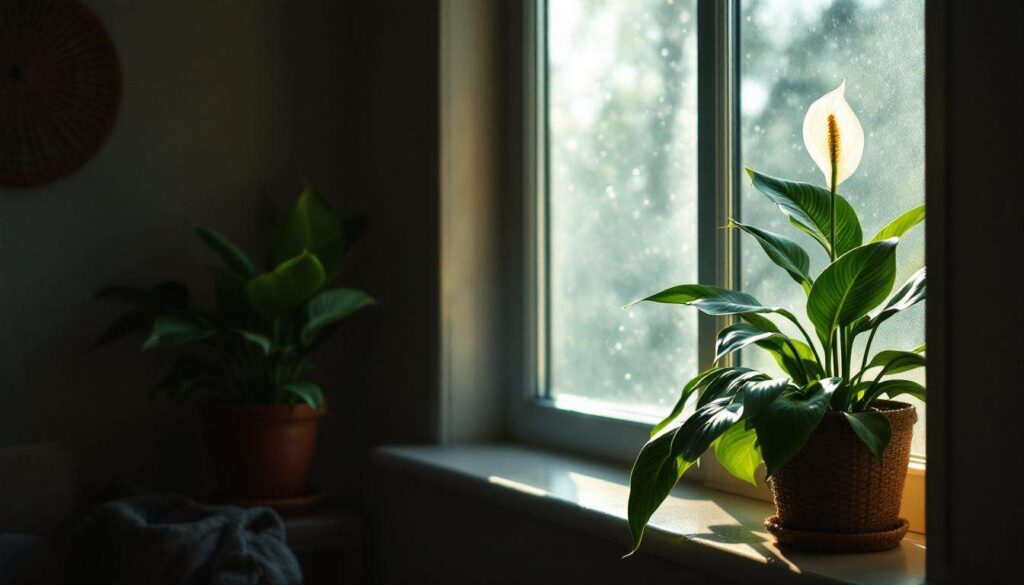
Waking up to find your windows covered in a film of water droplets is more than just an inconvenience. Condensation on windows signals an underlying issue with moisture levels in your home that requires immediate attention. Whilst many homeowners resort to expensive dehumidifiers or chemical solutions, nature offers a remarkably effective alternative. Certain indoor plants possess the unique ability to absorb excess moisture from the air, tackling condensation at its source whilst simultaneously enhancing your living space with greenery and improved air quality.
Understanding condensation on your windows
The science behind water droplets
Condensation occurs when warm, moisture-laden air comes into contact with a cold surface, such as a window pane. The temperature differential causes the water vapour in the air to transform into liquid droplets that accumulate on the glass. This process is particularly noticeable during colder months when the temperature difference between indoor and outdoor environments is most pronounced.
Common causes of excessive moisture
Several factors contribute to high humidity levels within homes:
- Daily activities such as cooking, showering, and washing clothes release significant amounts of water vapour into the air
- Poor ventilation prevents moisture from escaping, allowing it to accumulate in enclosed spaces
- Inadequate heating creates cold spots where condensation readily forms
- Drying laundry indoors adds substantial moisture to the atmosphere
- Modern airtight construction, whilst energy-efficient, can trap humidity inside
Identifying problem areas
Condensation typically appears most prominently in specific locations throughout the home. Kitchens and bathrooms naturally experience higher humidity due to steam from cooking and bathing. Bedrooms also prove susceptible, as human respiration releases moisture throughout the night. Single-glazed windows are particularly vulnerable, as their surfaces remain significantly colder than double or triple-glazed alternatives.
Recognising these patterns helps homeowners understand where intervention proves most beneficial, setting the stage for exploring why addressing this issue matters beyond mere aesthetics.
Why eliminating condensation is crucial
Health implications of persistent moisture
Prolonged condensation creates the perfect breeding ground for mould and mildew. These fungi release spores into the air that can trigger a range of health problems:
- Respiratory issues including asthma attacks and bronchial infections
- Allergic reactions manifesting as sneezing, coughing, and skin irritation
- Exacerbation of existing conditions such as chronic obstructive pulmonary disease
- Potential neurological effects from prolonged exposure to certain mould species
Structural damage to your property
Beyond health concerns, persistent condensation wreaks havoc on building materials. Water seeping into window frames causes wood to rot and metal to corrode. Paint and wallpaper peel away from damp walls, whilst plaster crumbles and disintegrates. Over time, these issues compromise the structural integrity of your home and necessitate costly repairs that far exceed the investment in preventative measures.
Impact on energy efficiency
Moisture accumulation affects your home’s thermal performance. Damp insulation loses its effectiveness, forcing heating systems to work harder to maintain comfortable temperatures. This increased energy consumption translates directly into higher utility bills, making condensation an ongoing financial burden as well as a practical nuisance.
Understanding these serious consequences underscores the importance of finding effective solutions, and this is where the remarkable properties of certain houseplants come into play.
The best indoor plants for absorbing moisture
Boston fern: the humidity champion
The Boston fern stands out as one of nature’s most efficient moisture absorbers. This lush, cascading plant thrives in humid environments and actively removes excess water vapour through its extensive frond system. Its transpiration process naturally regulates ambient humidity levels, making it ideal for placement near problematic windows.
Snake plant: the resilient moisture manager
Also known as mother-in-law’s tongue, the snake plant combines remarkable durability with impressive air-purifying capabilities. This vertical grower requires minimal maintenance whilst continuously working to balance indoor humidity. Its ability to convert carbon dioxide into oxygen at night makes it particularly valuable in bedrooms where condensation often accumulates overnight.
Peace lily: beauty meets functionality
The peace lily offers an elegant solution to moisture problems. Its broad leaves efficiently absorb humidity whilst its occasional white blooms add aesthetic appeal. This plant excels at removing common indoor pollutants including formaldehyde, benzene, and trichloroethylene, providing comprehensive air quality improvement alongside condensation control.
Additional moisture-absorbing varieties
| Plant Name | Moisture Absorption | Light Requirements | Maintenance Level |
|---|---|---|---|
| English Ivy | High | Moderate to bright indirect | Low |
| Reed Palm | Very high | Low to moderate | Low |
| Spider Plant | Moderate | Bright indirect | Very low |
| Orchids | Moderate | Bright indirect | Moderate |
Each of these plants brings unique characteristics to moisture management, but their effectiveness depends on understanding the biological mechanisms at work.
How do these plants combat condensation ?
The transpiration process explained
Plants absorb moisture through their root systems and transport it throughout their structure via specialised vascular tissues. This water eventually reaches the leaves, where tiny pores called stomata release it back into the atmosphere as water vapour. This transpiration cycle effectively removes excess humidity from the air surrounding the plant, drawing in moisture-laden air and releasing it in a more balanced form.
Photosynthesis and air purification
During photosynthesis, plants absorb carbon dioxide and release oxygen, simultaneously filtering harmful compounds from the air. This dual action not only improves air quality but also influences humidity levels by altering the atmospheric composition around the plant. The cleaner air circulates more efficiently, reducing the likelihood of moisture accumulating on cold surfaces.
Natural humidity regulation
Unlike mechanical dehumidifiers that simply extract water, plants create a self-regulating ecosystem. They absorb moisture when levels are high and release it when the air becomes too dry. This dynamic balance prevents the over-drying that mechanical systems can cause, maintaining optimal humidity levels between 40 and 60 per cent—the range most comfortable for human habitation and least conducive to mould growth.
Quantifiable impact on indoor environments
Research demonstrates that strategic placement of moisture-absorbing plants can reduce indoor humidity by up to 10 per cent. A single Boston fern, for instance, can transpire approximately one litre of water per day under optimal conditions. When multiple plants work in concert, their cumulative effect creates measurable improvements in condensation levels.
Knowing how plants function to reduce moisture leads naturally to questions about how best to incorporate them into your living spaces for maximum benefit.
Tips for integrating plants into your home
Strategic placement for optimal results
Positioning plants directly near affected windows maximises their condensation-fighting potential. Place larger specimens such as Boston ferns on window sills or on stands immediately adjacent to the glass. Hanging varieties like English ivy work well suspended near upper window frames where warm air accumulates. Ensure plants receive adequate natural light whilst remaining close enough to the moisture source to make a tangible difference.
Creating plant groupings
Clustering multiple plants together amplifies their collective impact on humidity levels. A strategic arrangement might include:
- A tall snake plant as a focal point near the window centre
- Medium-sized peace lilies flanking either side
- Smaller spider plants or ivy trailing from elevated positions
- Reed palms filling floor space in corners where condensation pools
Balancing aesthetics with functionality
Whilst condensation control remains the primary objective, plants should enhance rather than clutter your space. Select containers that complement your interior design scheme. Use decorative cachepots to conceal functional plastic pots, and consider colour-coordinated plant stands that add visual interest whilst elevating plants to optimal heights for light exposure and air circulation.
Room-specific recommendations
Different rooms require tailored approaches. In bathrooms, opt for humidity-loving varieties like Boston ferns that thrive in steamy conditions. Kitchens benefit from hardy specimens such as snake plants that tolerate temperature fluctuations. Bedrooms suit peace lilies, which improve air quality during sleep hours when condensation often forms.
Once plants are properly positioned throughout your home, maintaining them correctly ensures they continue performing their moisture-absorbing duties effectively.
Maintaining your indoor plant ecosystem
Watering requirements and schedules
Ironically, plants that absorb atmospheric moisture still require regular watering through their root systems. Boston ferns need consistently moist soil, whilst snake plants prefer drying out between waterings. Peace lilies signal their thirst by drooping slightly, making them relatively easy to manage. Establish a routine based on each species’ specific needs, checking soil moisture levels regularly rather than adhering to rigid schedules.
Light and temperature considerations
Most moisture-absorbing plants prefer bright, indirect light. Positioning them near windows serves the dual purpose of providing necessary illumination whilst placing them at condensation hotspots. Maintain room temperatures between 18 and 24 degrees Celsius for optimal plant health. Avoid placing plants directly against cold window glass during winter, as this can damage foliage and reduce their effectiveness.
Feeding and pruning practices
Feed plants with appropriate fertilisers during growing seasons to maintain vigorous growth and maximum transpiration capacity:
- Use balanced liquid fertiliser monthly for Boston ferns during spring and summer
- Apply diluted feed every six weeks for snake plants
- Provide peace lilies with weak fertiliser solutions every two months
- Reduce or eliminate feeding during dormant winter periods
Regular pruning removes dead or damaged foliage, encouraging new growth and maintaining the plant’s moisture-absorbing efficiency. Trim brown fronds from ferns, remove yellowed leaves from peace lilies, and wipe dust from snake plant leaves to keep stomata clear and functional.
Monitoring plant health
Healthy plants work harder at humidity regulation. Watch for signs of distress including yellowing leaves, stunted growth, or pest infestations. Address problems promptly by adjusting watering schedules, improving light conditions, or treating pests with appropriate organic solutions. A thriving plant community creates a self-sustaining ecosystem that continuously combats condensation whilst requiring minimal intervention.
Incorporating moisture-absorbing plants into your home offers a natural, aesthetically pleasing solution to window condensation. By selecting appropriate species, positioning them strategically, and maintaining them properly, you create an environment where excess humidity is naturally regulated. These living air purifiers not only eliminate unsightly water droplets but also improve overall air quality, reduce mould risk, and enhance your living space with vibrant greenery. The investment in a few well-chosen plants delivers ongoing benefits that far outweigh their modest cost, providing a sustainable alternative to mechanical dehumidification systems whilst transforming your home into a healthier, more beautiful sanctuary.