



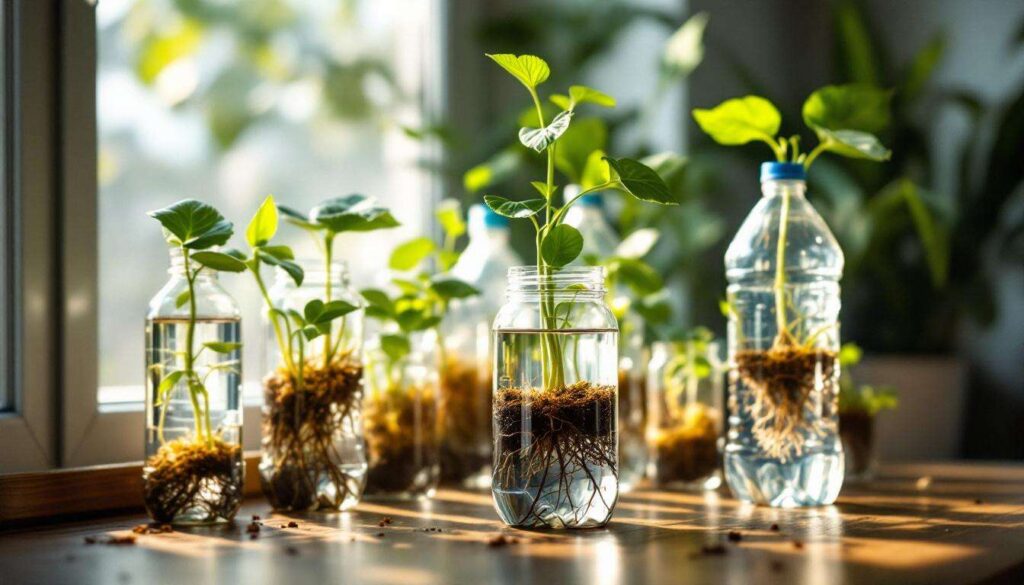
Urban dwellers and environmentally conscious gardeners are increasingly turning to hydroponic systems as a practical solution for growing fresh produce at home. By repurposing empty plastic bottles, anyone can establish a functional indoor garden that minimises waste whilst maximising space efficiency. This sustainable approach combines modern cultivation techniques with resourceful recycling, offering an accessible entry point into soil-free gardening that requires minimal investment and delivers impressive results.
Introduction to Hydroponics and Plastic Bottle Reuse
Understanding Hydroponic Cultivation
Hydroponics represents a revolutionary growing method that eliminates the need for traditional soil-based cultivation. Plants receive nutrients directly through water solutions, allowing roots to absorb essential minerals more efficiently than conventional gardening permits. This technique has evolved significantly since its development, with research demonstrating that hydroponic crops can achieve growth rates 30% to 55% faster than their soil-grown counterparts.
The fundamental principle behind hydroponics centres on providing plants with optimal access to oxygen, water, and nutrients simultaneously. By removing soil from the equation, gardeners avoid common complications such as soil-borne diseases, pest infestations, and inconsistent nutrient distribution that plague traditional horticulture.
Environmental Benefits of Bottle Repurposing
Plastic bottle waste poses a significant environmental challenge globally. By transforming empty bottles into functional growing containers, gardeners contribute to waste reduction whilst creating practical gardening infrastructure. This approach offers several advantages:
- Reduces plastic waste destined for landfills or oceans
- Eliminates the need to purchase specialised hydroponic containers
- Provides transparent vessels for monitoring root development
- Offers lightweight, durable materials suitable for indoor use
The marriage between hydroponic technology and plastic bottle recycling creates a sustainable gardening solution that addresses both food production and environmental concerns. This dual benefit makes the practice particularly appealing to urban residents seeking to reduce their ecological footprint whilst cultivating fresh herbs and vegetables.
Having established the foundational concepts behind hydroponic cultivation and bottle reuse, the next step involves gathering the specific components required to construct a functioning system.
Materials Needed for an Indoor Hydroponic Garden
Essential Components
Creating a functional hydroponic garden from plastic bottles requires relatively few materials, most of which are readily available or already present in typical households. The primary components include:
- Empty plastic water bottles (1 to 2-gallon capacity)
- Small plastic cups (approximately 3 ounces)
- A 5-gallon bucket for reservoir systems
- Growing medium such as rockwool, coconut coir, or clay pebbles
- Hydroponic nutrient solution formulated for vegetable cultivation
- Heated knife or precision cutting tool
- Spray paint for light-blocking purposes (optional)
Selecting Appropriate Growing Media
The choice of growing medium significantly impacts plant development and system maintenance. Each option presents distinct characteristics:
| Growing Medium | Water Retention | Aeration | Cost |
|---|---|---|---|
| Rockwool | High | Moderate | Low |
| Coconut Coir | High | Good | Moderate |
| Clay Pebbles | Low | Excellent | Moderate |
Rockwool provides excellent moisture retention and is widely used in commercial operations, whilst clay pebbles offer superior drainage and can be reused across multiple growing cycles. Coconut coir represents an environmentally friendly middle ground, derived from renewable coconut husks.
Nutrient Solution Requirements
Hydroponic nutrient solutions contain essential minerals that plants typically extract from soil. These formulations must include macronutrients such as nitrogen, phosphorus, and potassium, alongside micronutrients including iron, manganese, and zinc. Pre-mixed solutions designed for hydroponic cultivation simplify the process for beginners, eliminating the need for complex mixing calculations.
With materials assembled and understood, the construction phase can commence, transforming simple bottles into productive growing vessels.
Steps to Create Your Hydroponic System with Bottles
Bottle Preparation and Modification
Begin by thoroughly washing all plastic bottles to remove any residual liquids, sugars, or contaminants that could promote bacterial growth. Once clean and dry, use a heated knife to create circular openings in the bottle caps or upper sections, sized to accommodate the small plastic cups snugly. The heated blade ensures clean cuts without cracking the plastic.
For systems requiring light protection around root zones, apply spray paint to the exterior of bottles, leaving a small inspection window. This prevents algae growth in the nutrient solution whilst allowing periodic root monitoring.
Assembly of the Growing System
The construction process follows these sequential steps:
- Position bottles in their designated growing location, ensuring adequate lighting access
- Fill the 5-gallon bucket with water and add the appropriate quantity of hydroponic nutrients according to manufacturer specifications
- Place growing medium into the small plastic cups, filling approximately three-quarters full
- Plant seeds or seedlings into the medium-filled cups
- Insert cups into the prepared bottle openings, ensuring roots can extend downward
- Add nutrient solution to bottles, maintaining levels that allow roots to access water without complete submersion
Implementing the Kratky Method
For beginners seeking simplicity, the Kratky method offers an elegant solution requiring no pumps or electrical components. This passive system relies on gradually declining water levels to create an air gap, providing roots with essential oxygen as plants mature. The static nature eliminates mechanical complexity whilst delivering reliable results for leafy greens and herbs.
Once assembled, the system transitions from construction to an ongoing cycle of observation and adjustment that ensures optimal plant development.
Maintenance and Care for Your Hydroponic Garden
Monitoring Nutrient Levels
Regular inspection of nutrient solution concentration maintains plant health and vigorous growth. Check water levels every two to three days, topping up with diluted nutrient solution as needed. Complete solution changes should occur every two weeks to prevent salt accumulation and maintain optimal mineral balance.
pH levels require particular attention, as most vegetables thrive within a range of 5.5 to 6.5. Simple pH testing kits allow gardeners to monitor and adjust acidity using pH-up or pH-down solutions.
Light and Temperature Management
Indoor hydroponic gardens require adequate illumination to support photosynthesis. Natural sunlight from south-facing windows provides excellent results, though supplemental LED grow lights ensure consistent light exposure during shorter winter days. Plants generally require:
- Leafy greens: 12 to 14 hours of light daily
- Fruiting vegetables: 14 to 16 hours of light daily
- Herbs: 12 to 16 hours of light daily
Temperature stability proves equally important, with most plants preferring ranges between 18°C and 24°C. Avoid positioning systems near heating vents or drafty windows that create temperature fluctuations.
Root Health Inspection
Healthy roots appear white or cream-coloured with a fresh appearance. Brown, slimy, or foul-smelling roots indicate oxygen deprivation or bacterial infection requiring immediate attention. If problems arise, remove affected plants, clean containers thoroughly, and replace nutrient solution completely before replanting.
Understanding these maintenance requirements naturally leads to consideration of the broader advantages and limitations inherent in hydroponic cultivation.
Advantages and Disadvantages of Hydroponic Gardening
Benefits of Soil-Free Cultivation
Hydroponic systems deliver numerous advantages that explain their growing popularity amongst urban gardeners:
| Advantage | Impact |
|---|---|
| Accelerated Growth | 30-55% faster than soil cultivation |
| Water Efficiency | Uses 90% less water than traditional methods |
| Space Optimisation | Vertical arrangements maximise limited areas |
| Pest Reduction | Eliminates soil-borne diseases and insects |
The controlled environment allows precise nutrient delivery, eliminating guesswork associated with soil fertility. Plants expend less energy developing extensive root systems to search for nutrients, redirecting that energy toward foliage and fruit production.
Limitations and Challenges
Despite significant benefits, hydroponic gardening presents certain challenges that prospective growers should consider. Initial setup requires investment in nutrients, growing media, and potentially lighting equipment. The system demands regular monitoring, as plants cannot draw upon soil reserves during periods of neglect.
Technical knowledge requirements exceed those of traditional gardening, with factors such as pH balance, nutrient concentration, and oxygenation requiring attention. Power failures affecting lighting or pump systems can rapidly compromise plant health in active hydroponic setups.
These considerations help gardeners make informed decisions about whether hydroponic cultivation aligns with their circumstances and capabilities, ultimately guiding them towards sustainable growing practices.
Conclusion: adopting Hydroponic Gardening for a Sustainable Lifestyle
Transforming empty plastic bottles into productive hydroponic gardens represents an accessible approach to sustainable food production that addresses multiple environmental concerns simultaneously. This method combines waste reduction with efficient resource utilisation, enabling urban residents to cultivate fresh produce regardless of outdoor space limitations. The relatively simple construction process, minimal material requirements, and impressive growth results make bottle-based hydroponics an ideal starting point for those exploring soil-free cultivation. By embracing these techniques, gardeners contribute to waste reduction whilst enjoying the satisfaction of harvesting home-grown herbs and vegetables. The practice demonstrates how innovative thinking and basic recycling can converge to create practical solutions for modern living challenges, offering a tangible step towards more sustainable daily habits.