



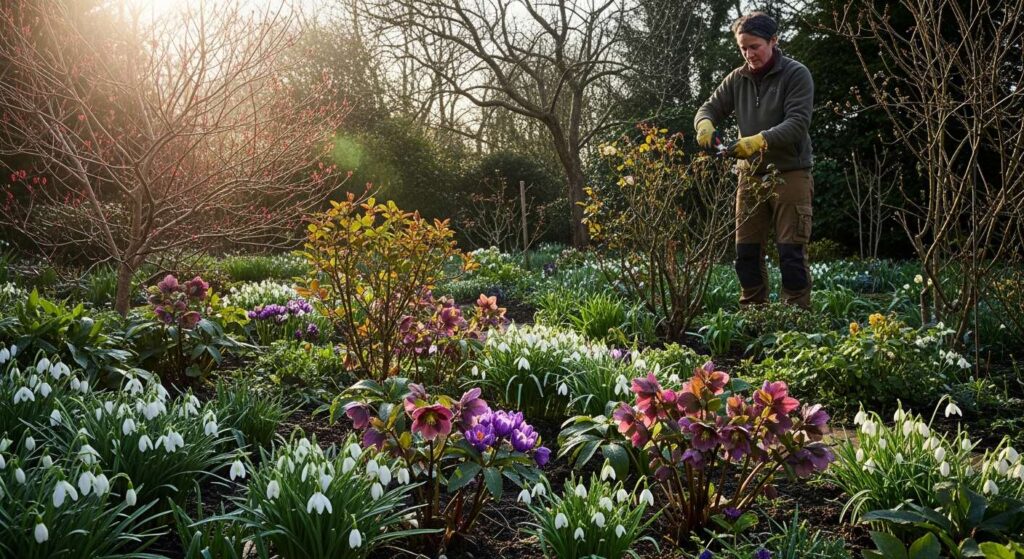
As winter gradually loosens its grip, February presents gardeners across the UK with a critical window to lay the groundwork for a productive growing season. Though temperatures remain cool and frost still threatens, this transitional month offers numerous opportunities to sow seeds, prune dormant plants, and prepare soil for the warmer months ahead. With daylight hours steadily increasing and spring just around the corner, the work undertaken now will directly influence the health and abundance of your garden throughout the year.
What plants to sow in February
Hardy vegetables for early crops
February is an excellent time to begin sowing hardy vegetables that can withstand cooler temperatures. Under cloches or in cold frames, gardeners can sow broad beans, which establish strong root systems before spring arrives. Early varieties of peas can also be started now, providing a head start on the growing season. For those with unheated greenhouses, lettuce and salad leaves such as rocket and mizuna offer quick-growing options that will be ready for harvest within weeks.
Root vegetables deserve attention this month as well. Parsnips can be sown directly into prepared beds, though germination may be slow in cold soil. Covering the sowing area with fleece helps retain warmth and encourages faster emergence. Early carrots, particularly short-rooted varieties, can also be started under protection.
Starting summer crops indoors
For gardeners eager to extend the growing season, February marks the ideal moment to begin tender crops indoors. The following plants benefit from an early start on sunny windowsills or in heated propagators:
- Tomatoes: sow seeds in small pots or modules, maintaining temperatures around 18-21°C for optimal germination
- Chillies and peppers: these heat-loving plants require a long growing season and benefit from February sowing
- Aubergines: start seeds in warmth, as they need several months to reach productive maturity
- Summer bedding plants: begonias, geraniums and petunias can be started now for abundant summer displays
Hardy annuals and perennials
Direct sowing of hardy annuals becomes possible towards the end of February in milder regions. Sweet peas, when sown now, develop strong plants that flower prolifically throughout summer. Cornflowers, calendula and nigella can also be scattered in prepared beds, though protection with fleece may be necessary if severe frost threatens. These plants establish better when sown directly rather than transplanted, making February an opportune moment for outdoor sowing.
Understanding what to plant sets the foundation, but successful gardening requires attention to numerous other tasks that demand completion this month.
Essential gardening tasks in February
Chitting early potatoes
One of the most important February tasks involves chitting seed potatoes. Place tubers in egg boxes or shallow trays with the end containing the most eyes facing upward. Position them in a cool, bright location away from direct sunlight. Over the coming weeks, sturdy green shoots will develop, giving plants a significant advantage when planted out in March or early April. First early varieties are particularly suitable for this treatment.
Maintaining garden structures and equipment
February provides an ideal opportunity to service garden equipment before the busy spring period begins. Clean and sharpen spades, hoes and secateurs, removing rust and applying light oil to metal parts. Check greenhouse glass for cracks, repair any damaged panes, and clean glazing to maximise light transmission. Inspect cold frames and cloches for damage, replacing or repairing as necessary.
| Equipment | Maintenance task | Frequency |
|---|---|---|
| Lawnmower | Service, sharpen blades, check oil | Annual |
| Secateurs | Clean, sharpen, oil pivot point | Monthly during use |
| Greenhouse | Clean glass, disinfect surfaces | Annual |
| Garden tools | Remove rust, sharpen edges, oil handles | Seasonal |
Protecting vulnerable plants
Despite lengthening days, frost remains a genuine threat throughout February. Tender plants in borders benefit from protective mulches of straw or bracken around their crowns. Potted plants should be moved to sheltered locations during cold snaps, and fleece should be kept readily available to drape over vulnerable specimens when frost is forecast. Alpines and rock garden plants particularly appreciate protection from excessive winter moisture, so ensure drainage remains adequate.
With these essential tasks underway, attention naturally turns to preparing the growing environment itself for the season ahead.
Prepare the soil for spring
Assessing soil condition
Before working the soil, assess its condition carefully. Attempting to dig or cultivate waterlogged or frozen ground causes structural damage that takes years to rectify. Squeeze a handful of soil: if it forms a muddy ball that doesn’t crumble, it’s too wet to work. Wait for drier conditions rather than risk compaction. Clay soils particularly suffer from premature cultivation, whilst sandy soils generally become workable earlier in the season.
Adding organic matter
Once soil conditions permit, incorporate generous quantities of organic matter. Well-rotted farmyard manure, garden compost or composted bark improve soil structure, enhance moisture retention and provide slow-release nutrients. Spread a layer 5-10 cm deep across beds and fork it into the top 15-20 cm of soil. For vegetable patches, this preparation is particularly crucial, as many crops are heavy feeders requiring fertile conditions.
- Garden compost: excellent all-purpose soil improver, rich in nutrients
- Well-rotted manure: provides substantial organic matter and nitrogen
- Leaf mould: ideal for improving soil structure, particularly on clay
- Composted bark: long-lasting addition that improves drainage
Testing and adjusting soil pH
February offers an appropriate moment to test soil pH using an inexpensive testing kit. Most vegetables prefer slightly acidic to neutral conditions (pH 6.0-7.0), whilst ericaceous plants such as rhododendrons require acidic soil (pH 4.5-5.5). If tests reveal overly acidic conditions, apply garden lime according to package instructions, allowing several weeks for it to take effect before planting. Conversely, alkaline soils benefit from sulphur chips or ericaceous compost additions.
Beyond soil preparation, February demands attention to structural pruning that shapes plants for years to come.
Pruning trees and shrubs in February
Winter pruning fruit trees
February represents the final opportunity for winter pruning of apple and pear trees before sap begins rising. The primary objectives involve creating an open, balanced framework that allows light penetration and air circulation throughout the canopy. Remove dead, diseased or damaged wood first, cutting back to healthy tissue. Then address crossing branches that rub together, selecting the better-positioned branch to retain. Finally, reduce overcrowded areas by removing entire branches rather than shortening many stems.
Pruning climbing plants
Several popular climbers benefit from February pruning. Wisteria requires its second annual pruning now, cutting back the summer’s side shoots to two or three buds from the main framework. This encourages the formation of flowering spurs that produce abundant blooms in late spring. Late-flowering clematis (Group 3) should be cut back hard to strong buds approximately 30 cm above ground level, promoting vigorous new growth that flowers from midsummer onwards.
| Plant type | Pruning method | Expected outcome |
|---|---|---|
| Apple trees | Remove crossing, dead and diseased wood | Improved structure and fruiting |
| Wisteria | Cut side shoots to 2-3 buds | Enhanced flowering in spring |
| Late clematis | Hard prune to 30 cm | Strong summer flowering |
| Summer-flowering shrubs | Light shaping only | Maintains flower bud formation |
Shrub renovation
Overgrown deciduous shrubs can undergo renovation pruning whilst dormant. Remove approximately one-third of the oldest stems at ground level, encouraging fresh growth from the base. This technique works well for philadelphus, weigela and forsythia, rejuvenating tired specimens over a three-year period. Avoid heavy pruning of spring-flowering shrubs, as this removes flower buds formed the previous summer.
Having addressed pruning requirements, focus shifts to maintaining ornamental areas that provide visual interest throughout the year.
Maintaining borders and flower beds
Clearing winter debris
February offers suitable conditions for clearing accumulated winter debris from borders. Remove fallen leaves, dead stems and any remaining annual plants from the previous year. Whilst some gardeners advocate leaving seed heads for wildlife, excessive debris harbours pests and diseases that affect emerging growth. Strike a balance by clearing most material whilst leaving some structural interest where appropriate.
Dividing perennials
Many herbaceous perennials benefit from division every few years to maintain vigour. As new shoots emerge in February, lift congested clumps of summer-flowering plants such as hostas, daylilies and hardy geraniums. Use two forks back-to-back to separate clumps, or slice through tough crowns with a sharp spade. Replant healthy outer sections, discarding exhausted central portions. Water divisions thoroughly and mulch around them to conserve moisture.
Early weed control
Addressing weed seedlings whilst small saves considerable effort later. Hoe between plants on dry days, severing weed roots just below soil surface. Annual weeds die quickly when disturbed, whilst perennial weeds require more persistent attention. Remove deep-rooted perennials such as dandelions and docks completely, ensuring no root fragments remain to regenerate. A layer of mulch applied after weeding suppresses further germination.
- Hoe regularly when soil surface is dry for maximum effectiveness
- Remove perennial weeds completely including all root material
- Apply mulch after weeding to suppress new germination
- Hand-weed around precious plants to avoid accidental damage
These maintenance activities create optimal conditions, but specific strategies further enhance results as spring approaches.
Tips to maximise spring growth
Warming soil before sowing
Covering prepared beds with cloches or fleece several weeks before sowing raises soil temperature by several degrees. This seemingly modest increase significantly accelerates germination and early growth, effectively extending the growing season. Black polythene sheeting serves a similar purpose whilst simultaneously suppressing weeds, though it must be removed before sowing. Clear polythene admits more light and warmth but doesn’t control weeds as effectively.
Strategic feeding programmes
Rather than applying general fertilisers indiscriminately, tailor feeding to specific plant requirements. Nitrogen promotes leafy growth, making it ideal for vegetables such as cabbages and lettuce. Potassium enhances flowering and fruiting, benefiting tomatoes and flowering plants. Phosphorus encourages root development, particularly valuable for newly planted specimens. Slow-release fertilisers applied now provide sustained nutrition throughout the growing season.
Maximising light and space
Clean greenhouse glass to maximise light transmission, removing algae and accumulated grime that reduce intensity by up to 40 per cent. Position seed trays and pots to ensure adequate spacing, preventing drawn, leggy growth caused by competition for light. Rotate containers regularly so all sides receive equal illumination. Consider investing in supplementary lighting for propagation areas, particularly valuable for early sowings when natural light remains limited.
February’s efforts establish the framework for months of gardening pleasure ahead. By sowing appropriate crops, completing essential maintenance, preparing soil thoroughly, pruning strategically, maintaining borders and implementing growth-maximising strategies, gardeners position themselves for a productive and rewarding season. The work undertaken now, though sometimes challenging in cold conditions, pays dividends as spring unfolds and the garden responds with vigorous growth and abundant harvests.