



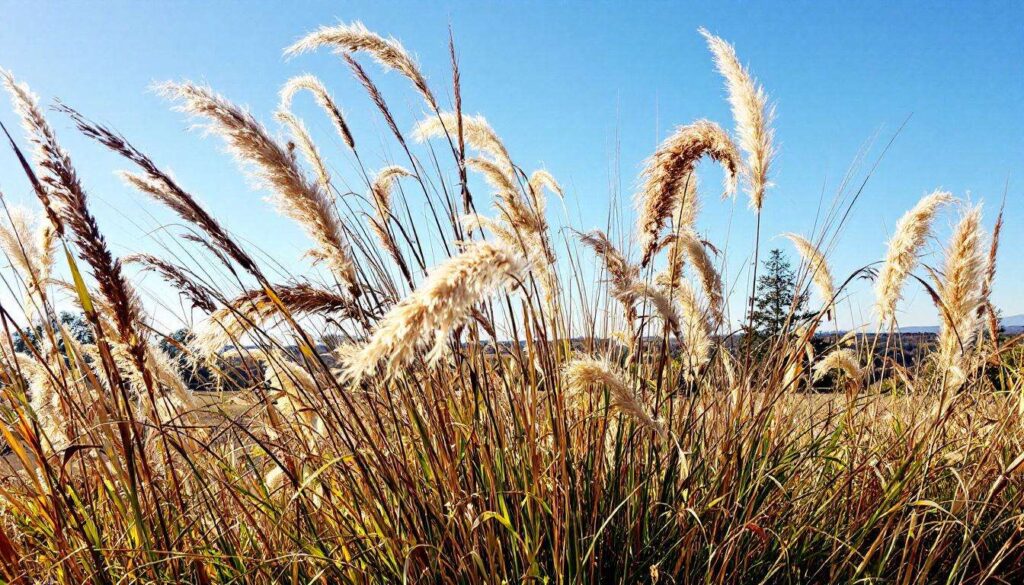
Ornamental grasses have become increasingly popular features in gardens across the country, valued for their graceful movement, striking textures and year-round visual appeal. As temperatures drop and gardens prepare for dormancy, a common dilemma emerges amongst gardeners: should these elegant plants be trimmed back before winter arrives ? The decision carries implications not only for the health and vigour of the grasses themselves but also for the overall aesthetic of the winter landscape. Understanding the proper approach to managing ornamental grasses during the colder months requires consideration of plant biology, timing and maintenance techniques.
Understanding the importance of trimming ornamental grasses
Protection offered by winter foliage
The dried foliage of ornamental grasses serves multiple protective functions throughout the winter months. Rather than being merely decorative, these dried blades and stems act as natural insulation for the plant’s crown and root system. This protective layer helps to:
- Shield the base from severe temperature fluctuations and freeze-thaw cycles
- Prevent excessive moisture accumulation at the crown, reducing the risk of rot
- Provide habitat and food sources for beneficial wildlife, including overwintering insects and seed-eating birds
- Maintain structural integrity that protects emerging growth points from damage
Aesthetic considerations for winter gardens
Beyond their protective qualities, ornamental grasses contribute significant visual interest to dormant winter landscapes. Their dried plumes catch frost and snow, creating stunning displays when natural colour is scarce. The architectural forms and seed heads provide texture and movement, particularly striking when backlit by low winter sun or coated with morning frost. Many gardeners specifically choose ornamental grasses for this seasonal appeal, viewing them as essential winter features rather than untidy remnants requiring removal.
| Benefit | Impact on Plant | Impact on Garden |
|---|---|---|
| Crown protection | Prevents frost damage | Reduces plant loss |
| Moisture regulation | Reduces rot risk | Healthier spring growth |
| Visual structure | Maintains form | Year-round interest |
| Wildlife support | Natural ecosystem | Biodiversity enhancement |
These protective and aesthetic benefits lead naturally to questions about optimal timing for any necessary maintenance work.
When to trim ornamental grasses
Early spring as the preferred window
The consensus amongst horticultural experts points to early spring as the ideal time for cutting back most ornamental grasses. This timing, typically between late February and early April depending on regional climate, allows the foliage to provide winter protection whilst enabling removal before new growth becomes too advanced. The key indicator is the emergence of fresh green shoots at the base of the plant, signalling that dormancy has ended and active growth has resumed.
Risks of premature autumn cutting
Trimming ornamental grasses in late autumn or early winter carries several potential drawbacks. Removing foliage before dormancy is fully established can:
- Expose the crown to damaging temperature extremes
- Stimulate untimely new growth vulnerable to frost damage
- Remove natural moisture barriers, increasing rot susceptibility
- Eliminate valuable wildlife habitat during critical winter months
- Reduce the overall winter resilience of the plant
Regional and climatic variations
Geographical location significantly influences appropriate trimming schedules. Gardens in milder southern regions may see new growth beginning as early as late February, whilst northern gardens might not show signs of renewed activity until mid-April. Local climate patterns should guide decision-making, with gardeners monitoring their specific plants rather than adhering rigidly to calendar dates. Understanding these timing considerations naturally leads to questions about proper technique.
How to trim grasses effectively
Proper cutting technique and height
Effective trimming requires careful attention to method and measurement. For most deciduous ornamental grasses, cutting back to approximately 10-15 centimetres above ground level provides optimal results. This height preserves the crown whilst removing the bulk of dead material. The cutting motion should be clean and decisive, avoiding tearing or crushing stems which can create entry points for disease.
Managing large clumps efficiently
Larger, established clumps benefit from systematic approach. Gathering the foliage together with twine or elastic cord before cutting creates a manageable bundle and prevents scattered debris. This technique also:
- Provides clearer visibility of the plant’s base
- Ensures even cutting height across the entire clump
- Simplifies collection and disposal of removed material
- Reduces disturbance to emerging new growth
Post-trimming care considerations
Following trimming, a light application of balanced fertiliser or compost supports vigorous spring growth. Checking for any dead sections within the crown allows for their removal, promoting overall plant health. Mulching around the base helps retain moisture and suppress weeds as new growth emerges. These techniques apply differently depending on grass type.
Difference between evergreen and deciduous grasses
Characteristics of evergreen varieties
Evergreen ornamental grasses, including many sedges and rushes, retain their foliage throughout winter. These plants require minimal intervention, with maintenance limited to removing any dead or damaged blades rather than wholesale cutting back. When tidying is necessary, removing no more than one-third to one-half of the foliage in late winter preserves the plant’s photosynthetic capacity whilst refreshing its appearance.
Deciduous grass behaviour patterns
Deciduous varieties undergo complete dormancy, with foliage dying back naturally in autumn. Popular examples include maiden grass, feather reed grass and miscanthus varieties. These grasses benefit from complete removal of dead material in early spring, as the dried foliage serves no ongoing photosynthetic purpose and can harbour pests or disease if left indefinitely.
| Grass Type | Winter Behaviour | Trimming Approach | Timing |
|---|---|---|---|
| Evergreen | Retains foliage | Light tidying only | Late winter |
| Deciduous | Complete dormancy | Cut to base | Early spring |
| Semi-evergreen | Partial retention | Selective removal | Variable |
Recognising these distinctions helps inform tool selection for the task ahead.
Recommended tools for trimming grasses
Essential cutting implements
The appropriate tools depend on grass size and quantity. For small clumps and fine-textured grasses, sharp secateurs or hand shears provide adequate control and precision. Medium-sized clumps respond well to hedge shears, which offer greater cutting capacity whilst maintaining manoeuvrability. Large, established stands of robust grasses may require powered hedge trimmers or even brush cutters for efficient management.
Safety and maintenance equipment
Personal protective equipment enhances safety during trimming operations. Recommended items include:
- Heavy-duty gloves to protect against sharp leaf edges
- Eye protection when using powered equipment
- Long sleeves and trousers to prevent skin irritation
- Sturdy footwear with good grip
Tool care for optimal performance
Maintaining cutting tools in proper condition ensures clean cuts and reduces plant stress. Regular sharpening prevents crushing damage to stems, whilst cleaning and oiling after use extends tool lifespan and prevents rust. Disinfecting blades between plants, particularly when disease is suspected, helps prevent pathogen spread throughout the garden. Avoiding common errors further improves outcomes.
Common mistakes to avoid when trimming grasses
Timing errors and their consequences
The most frequent mistake involves premature autumn cutting, which exposes plants to winter stress and eliminates protective benefits. Conversely, delaying spring trimming until new growth is well-advanced risks damaging emerging shoots and creates awkward situations where old and new foliage intermingle. Observing plants carefully and acting when fresh growth just begins appearing provides the optimal window.
Improper cutting height problems
Cutting too close to ground level can damage the crown, the vital growing point from which new shoots emerge. Leaving excessive stubble, however, creates an untidy appearance and may harbour pests. The recommended 10-15 centimetre height balances these concerns for most deciduous varieties.
Neglecting specific variety requirements
Not all ornamental grasses respond identically to cutting. Some varieties, particularly certain fine-textured species, regenerate poorly when cut back aggressively. Researching specific requirements for each grass type in your garden prevents disappointment and plant loss. Key considerations include:
- Growth habit and vigour of the specific variety
- Regional climate and microclimate factors
- Plant age and establishment level
- Previous performance and response to trimming
The decision regarding winter cutting of ornamental grasses ultimately balances plant health requirements with aesthetic preferences and practical considerations. Evidence strongly supports leaving most ornamental grasses standing throughout winter, with trimming deferred until early spring when new growth signals the end of dormancy. This approach maximises plant protection, supports wildlife, maintains winter garden interest and promotes vigorous spring regrowth. By understanding the distinctions between evergreen and deciduous varieties, employing appropriate tools and techniques, and avoiding common pitfalls, gardeners can maintain healthy, attractive ornamental grasses that enhance their landscapes throughout the year.