



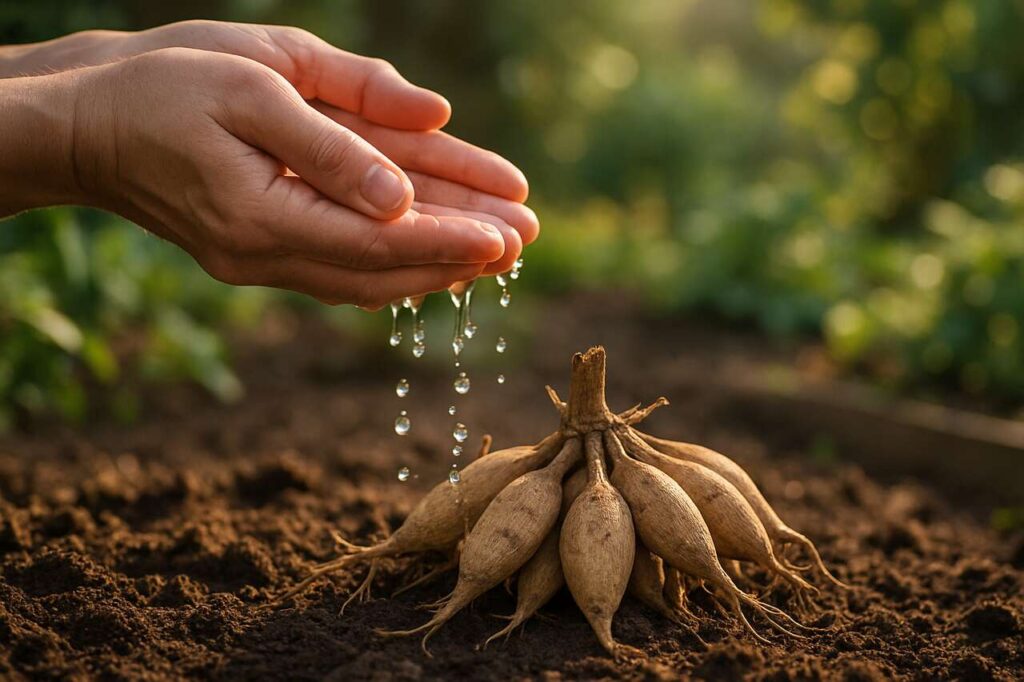
Dahlia tubers represent a valuable investment for any gardener seeking to cultivate these magnificent blooms season after season. However, discovering shrivelled, dried-out tubers after winter storage can be disheartening. Fortunately, with proper knowledge and techniques, many seemingly lifeless tubers can be successfully revived. This comprehensive guide explores the causes of tuber dehydration, identification methods, rehydration techniques, and preventative measures to ensure your dahlia collection thrives for years to come.
Understanding the causes of dahlia tuber dehydration
Environmental factors during storage
Dahlia tuber dehydration occurs primarily due to improper storage conditions that fail to maintain adequate moisture levels. When tubers are stored in environments with excessively low humidity or high temperatures, they naturally lose moisture through evaporation. Basements with forced-air heating systems, uninsulated garages experiencing temperature fluctuations, or storage areas with inadequate ventilation commonly contribute to this problem. The delicate balance between preventing rot and maintaining sufficient moisture proves challenging for many gardeners.
Insufficient curing before storage
The curing process immediately following harvest plays a critical role in tuber health. Tubers that haven’t been properly dried before storage may develop surface moisture that encourages fungal growth, whilst those dried too aggressively lose essential internal moisture reserves. This initial preparation phase sets the foundation for successful winter storage and directly impacts the tuber’s ability to retain adequate hydration throughout dormancy.
Duration of storage period
Extended storage periods naturally increase the risk of dehydration. Tubers stored for five to six months inevitably lose some moisture content, even under optimal conditions. The following factors accelerate moisture loss:
- Inadequate insulation from temperature extremes
- Poor choice of storage medium that fails to buffer moisture
- Damaged tuber skin allowing excessive evaporation
- Overcrowded storage containers reducing air circulation
Understanding these underlying causes enables gardeners to implement targeted solutions and adjust storage practices accordingly, which naturally leads to the question of whether a dehydrated tuber remains worth saving.
Identifying a viable dahlia tuber
Physical characteristics of healthy tubers
Determining tuber viability requires careful examination of several key indicators. A viable tuber maintains firmness when gently squeezed, though it may appear slightly shrivelled on the surface. The tuber should feel substantial rather than hollow or papery. Colour provides additional clues: healthy tubers display consistent colouration ranging from tan to brown, whilst compromised tubers show dark patches, grey discolouration, or black spots indicating rot.
The neck examination test
The neck region connecting the tuber to the stem represents the most critical area for assessment. This junction must remain intact and firm, as it contains the eyes from which new growth emerges. A soft, mushy, or completely dried neck indicates the tuber has likely perished beyond recovery. Conversely, a firm neck with visible eye buds suggests excellent revival potential, even if the tuber body appears significantly dehydrated.
Signs of irreversible damage
| Condition | Viability | Action required |
|---|---|---|
| Slight shrivelling with firm texture | Excellent | Rehydrate immediately |
| Moderate shrivelling, intact neck | Good | Rehydrate with monitoring |
| Severe shrivelling, soft spots | Poor | Attempt rehydration cautiously |
| Mushy texture, foul odour | None | Discard immediately |
By accurately assessing tuber condition, gardeners avoid wasting effort on unsalvageable specimens whilst focusing resources on those with genuine recovery potential, making the rehydration process more efficient and successful.
Effective techniques for rehydrating tubers
The gradual moisture restoration method
The most reliable approach involves slow, controlled rehydration that mimics natural moisture absorption. Place shrivelled tubers in a container with slightly dampened vermiculite, peat moss, or coconut coir. The medium should feel barely moist to the touch rather than wet. Position the container in a cool location with temperatures between 4°C and 10°C, checking progress every few days. This method typically requires one to two weeks for noticeable improvement.
The overnight soaking technique
For severely dehydrated tubers requiring urgent intervention, a brief soaking period can jumpstart recovery. Submerge tubers in room-temperature water for a maximum of two to four hours, never exceeding this duration to prevent waterlogging. After soaking, pat tubers dry with a clean cloth and place them in slightly damp storage medium. This technique works best when combined with subsequent gradual moisture maintenance.
Monitoring and adjusting humidity levels
Successful rehydration requires vigilant monitoring to prevent overcorrection. Key practices include:
- Checking tubers every three to four days for firmness changes
- Adjusting storage medium moisture if tubers remain shrivelled
- Removing tubers immediately if soft spots develop
- Maintaining consistent cool temperatures throughout the process
- Ensuring adequate air circulation to prevent fungal growth
Post-rehydration care
Once tubers regain firmness and plumpness, transition them to standard storage conditions with moderate humidity. Continue monitoring weekly until planting time approaches. Properly rehydrated tubers should maintain their restored condition without further intervention, provided storage conditions remain stable. This careful restoration process naturally emphasises the importance of preventing dehydration from occurring initially.
Preventing dehydration with proper storage
Optimal storage environment specifications
Creating the ideal storage environment eliminates most dehydration problems before they begin. The perfect storage location maintains temperatures between 4°C and 7°C with relative humidity around 60 to 70 percent. Unheated basements, insulated garages, or dedicated root cellars typically provide these conditions. Avoid locations near heating systems, hot water pipes, or areas subject to freezing temperatures.
Selecting appropriate storage mediums
The storage medium serves as a moisture buffer that protects tubers from excessive drying whilst preventing rot. Effective options include:
- Slightly damp peat moss offering excellent moisture retention
- Vermiculite providing good insulation and humidity control
- Coconut coir as a sustainable alternative with similar properties
- Clean sand for those preferring traditional methods
- Shredded newspaper in emergency situations
Container selection and arrangement
Proper containers facilitate air circulation whilst maintaining humidity. Cardboard boxes with ventilation holes, wooden crates, or plastic bins with perforated lids work effectively. Arrange tubers in single layers separated by storage medium, ensuring they don’t touch each other. This spacing prevents disease transmission and allows individual inspection without disturbing neighbouring tubers.
Regular maintenance schedule
| Frequency | Task | Purpose |
|---|---|---|
| Monthly | Visual inspection | Identify early dehydration or rot |
| Monthly | Medium moisture check | Maintain optimal humidity levels |
| Bi-monthly | Remove damaged tubers | Prevent disease spread |
| As needed | Light misting | Correct excessive drying |
Implementing these preventative measures dramatically reduces dehydration incidents, ensuring tubers remain healthy and viable until the appropriate planting window arrives.
Ideal time for planting dahlia tubers
Understanding frost dates and soil temperature
Timing dahlia planting correctly proves essential for success. Tubers should only be planted after all danger of frost has passed and soil temperatures consistently reach 15°C at planting depth. In most regions, this occurs between late April and early June, depending on local climate zones. Planting too early exposes tubers to cold, wet conditions that encourage rot, whilst delayed planting reduces the growing season and flower production.
Pre-planting preparation steps
Approximately two to three weeks before the intended planting date, begin preparing tubers by moving them to a warmer location around 15°C to 18°C. This gradual temperature increase stimulates eye development and encourages sprouting. Some gardeners pot tubers indoors four to six weeks early, providing a head start on the growing season whilst protecting them from late frosts.
Regional planting guidelines
- Northern regions (zones 3-5): late May to early June
- Temperate regions (zones 6-7): mid-April to mid-May
- Southern regions (zones 8-10): March to early April
- Coastal areas: adjust based on microclimate conditions
Successful dahlia cultivation begins with quality planting stock, which brings attention to sourcing reliable tubers from reputable suppliers.
Where to buy quality dahlias online
Characteristics of reputable suppliers
Quality online dahlia suppliers demonstrate several distinguishing features. They provide detailed variety descriptions including bloom size, plant height, colour accuracy, and growing requirements. Reputable vendors offer guarantees on tuber viability, clearly state shipping windows appropriate for your region, and maintain responsive customer service. Look for suppliers specialising in dahlias rather than general garden centres, as specialists typically maintain superior stock quality and variety selection.
Evaluating tuber quality indicators
When purchasing online, examine product descriptions for quality indicators. Premium suppliers specify tuber size, typically offering divisions with at least one to two eyes attached. They clearly indicate whether tubers are divisions from mature clumps or smaller propagated stock. High-quality suppliers also provide planting instructions, storage recommendations, and variety-specific care guidance.
Timing your online purchases
Strategic timing ensures access to the best selection whilst receiving tubers at the optimal moment. Most reputable suppliers begin accepting orders in winter for spring delivery, with popular varieties selling out quickly. Ordering early secures desired varieties, whilst suppliers typically ship according to your regional planting schedule. This coordination ensures tubers arrive when conditions suit immediate planting or short-term storage.
Reviving dried dahlia tubers through proper rehydration techniques, combined with preventative storage practices, enables gardeners to preserve valuable varieties and maintain thriving collections. By understanding dehydration causes, accurately assessing tuber viability, employing effective rehydration methods, and implementing optimal storage conditions, even severely shrivelled tubers often recover completely. Timing planting appropriately and sourcing quality stock from reputable suppliers further ensures dahlia success, allowing these spectacular flowers to grace gardens with their stunning displays year after year.