



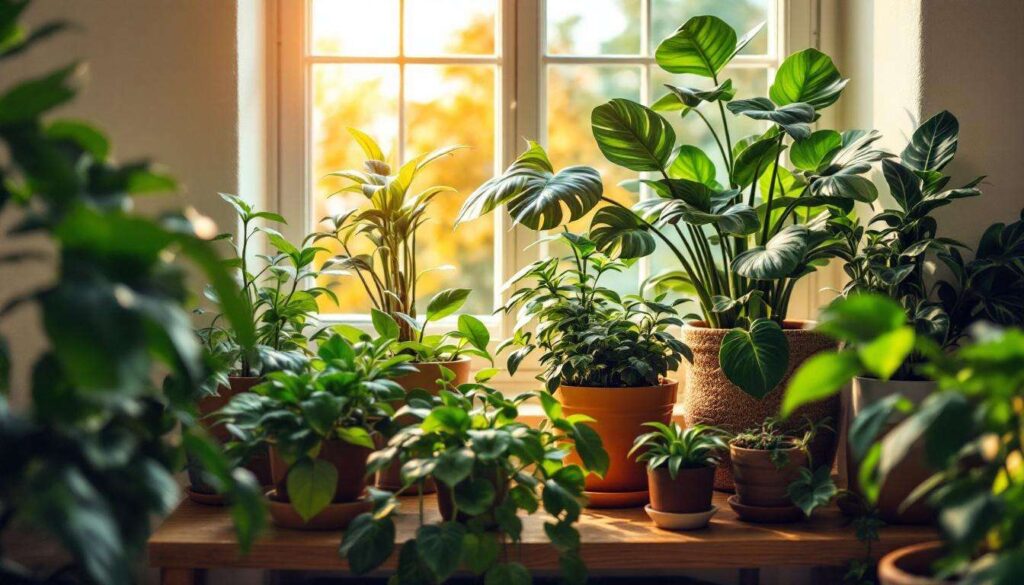
Gardeners often discover that a small adjustment in their routine can transform the health and vitality of their plants. Watering seems straightforward, yet countless specimens suffer from improper hydration practices that prevent them from reaching their full potential. Understanding the nuances of plant care requires moving beyond generic approaches and recognising that each species demands tailored attention. The difference between thriving blooms and wilting leaves frequently lies not in the amount of effort invested, but in the precision of technique applied. By identifying common pitfalls and adopting targeted strategies, anyone can cultivate a garden that flourishes throughout the seasons.
Common mistakes in plant watering
Treating all plants with uniform watering schedules
One of the most prevalent errors gardeners make involves applying identical watering routines across their entire collection. Succulents, for instance, thrive with minimal moisture and well-drained soil, whilst ferns require consistently damp conditions. Ignoring these fundamental differences leads to stressed plants that fail to produce vibrant blooms. The assumption that all greenery needs the same care stems from convenience rather than horticultural understanding, yet this approach consistently yields disappointing results.
Maintaining static routines regardless of seasonal shifts
Many enthusiasts continue watering at the same frequency throughout the year, overlooking how seasonal changes dramatically affect plant metabolism. During winter months, most species enter dormancy and require significantly less water. Research suggests reducing watering frequency by approximately 50% during colder periods prevents root damage and supports healthier growth cycles. The following factors influence seasonal watering needs:
- Temperature fluctuations affecting evaporation rates
- Reduced daylight hours slowing photosynthesis
- Lower humidity levels in heated indoor environments
- Dormancy periods requiring minimal hydration
Misjudging appropriate water quantities
Both overwatering and underwatering cause substantial harm to plant health. Excessive moisture creates anaerobic conditions in soil, promoting root rot and fungal diseases that can prove fatal. Conversely, insufficient hydration triggers water stress, causing leaves to wilt and flowers to drop prematurely. The challenge lies in finding the balance specific to each plant’s requirements rather than adhering to arbitrary schedules.
| Watering error | Visible symptoms | Long-term consequences |
|---|---|---|
| Overwatering | Yellow leaves, mushy stems | Root rot, fungal infections |
| Underwatering | Crispy edges, drooping foliage | Stunted growth, flower drop |
Understanding these fundamental mistakes provides the foundation for implementing more effective hydration strategies that respond to individual plant requirements.
The simple method for perfect hydration
The finger test technique
The simplest yet most reliable method for determining watering needs involves inserting a finger approximately two inches into the soil. If the substrate feels dry at this depth, the plant requires water; if moisture remains, waiting another day or two proves beneficial. This tactile approach connects gardeners directly with their plants’ conditions, bypassing guesswork and generic schedules. The technique works effectively for most houseplants and garden specimens, providing immediate feedback about soil moisture levels.
Observing plant behaviour patterns
Plants communicate their hydration status through subtle visual cues that attentive gardeners learn to recognise. Slightly drooping leaves in the evening may indicate natural rest rather than thirst, whilst persistent wilting signals genuine water stress. Developing this observational skill transforms watering from a chore into an interactive dialogue with living organisms. Key indicators include:
- Leaf texture changes from firm to limp
- Colour shifts from vibrant to dull
- Soil pulling away from container edges
- Pot weight becoming noticeably lighter
Adjusting for container and environment
The container type significantly influences water retention. Terracotta pots allow moisture to evaporate through porous walls, requiring more frequent watering than plastic or glazed ceramic alternatives. Similarly, environmental factors such as air circulation, temperature, and humidity levels affect how quickly soil dries. Plants positioned near heating vents or in direct sunlight consume water faster than those in cooler, shaded locations. Adapting watering frequency to these variables ensures each specimen receives appropriate care.
Having established reliable assessment methods, gardeners benefit from understanding which tools enhance watering precision and efficiency.
Essential tools for effective watering
Moisture meters for accurate readings
Whilst the finger test remains valuable, moisture meters provide objective measurements that eliminate guesswork. These devices feature probes inserted into soil that display readings indicating dry, moist, or wet conditions. For gardeners managing numerous plants with varying needs, moisture meters streamline the assessment process and prevent both under and overwatering. Models range from basic analogue versions to digital sensors with extended probes for larger containers.
Watering cans with precision spouts
The design of watering equipment affects distribution accuracy. Long, narrow spouts allow gardeners to direct water precisely at the soil surface, avoiding foliage that may develop fungal issues when wet. Cans with removable rose attachments offer versatility, providing gentle shower patterns for seedlings or focused streams for established plants. Capacity matters less than control, as smaller vessels encourage multiple trips that prevent hasty overwatering.
Self-watering systems for consistency
For those seeking automated solutions, self-watering pots with reservoir systems maintain consistent moisture levels. These containers feature separated chambers where water slowly wicks upward through capillary action, supplying roots as needed. Whilst convenient, such systems require initial adjustment to match specific plant requirements and should not replace regular monitoring. Technology serves best as a supplement to, rather than replacement for, attentive care.
| Tool type | Primary benefit | Best application |
|---|---|---|
| Moisture meter | Objective measurement | Large plant collections |
| Precision watering can | Targeted delivery | Mixed container gardens |
| Self-watering pot | Consistent moisture | Busy schedules |
Equipped with appropriate tools, the focus shifts to timing strategies that maximise flowering potential and overall plant vigour.
When and how to water to maximise flowering
Optimal timing for water delivery
The time of day chosen for watering significantly impacts plant health and flowering capacity. Early morning proves ideal, allowing foliage to dry before evening and reducing fungal disease risk. Morning hydration also ensures plants have adequate moisture reserves for photosynthesis during peak daylight hours. Evening watering, whilst sometimes necessary, leaves plants damp overnight when cooler temperatures slow evaporation, creating conditions favourable for pathogens.
Pre-flowering hydration strategies
As plants approach their flowering phase, consistent moisture becomes particularly crucial. Water stress during bud formation often results in dropped flowers or reduced bloom size. However, slight moisture restriction immediately before flowering can concentrate plant energy into bloom production rather than vegetative growth. This technique requires careful monitoring to avoid crossing from beneficial stress into damaging dehydration.
Water quality considerations
The composition of water used affects flowering success. Tap water containing high chlorine or fluoride levels may inhibit sensitive species, whilst hard water deposits minerals that accumulate in soil over time. Allowing tap water to stand overnight permits chlorine to dissipate, and periodic flushing with rainwater or distilled alternatives prevents mineral buildup. Temperature matters too, as cold water shocks roots; room-temperature water proves gentler and more readily absorbed.
- Water during early morning hours when possible
- Maintain consistent moisture during bud development
- Allow tap water to stand before use
- Match water temperature to ambient conditions
- Flush containers periodically to remove mineral deposits
Whilst proper watering supports flowering, recognising when hydration becomes excessive prevents the serious problems associated with waterlogged conditions.
Avoiding overwatering: warning signs
Visual symptoms of excessive moisture
Overwatered plants display distinctive characteristics that differ from drought stress. Leaves may yellow whilst remaining soft and pliable, contrasting with the crispy texture of underwatered foliage. Edema, appearing as raised, corky bumps on leaf undersides, develops when roots absorb water faster than leaves can transpire. Stems may become mushy near the soil line, indicating rot has begun compromising structural integrity.
Soil and root indicators
Beyond visible plant symptoms, soil conditions reveal overwatering issues. A persistent sour or musty odour emanating from containers signals anaerobic decomposition occurring in waterlogged substrate. When plants are gently removed from pots, healthy roots appear white or tan and firm, whilst overwatered roots turn brown or black and feel slimy. Fungus gnats hovering around soil surfaces thrive in consistently damp conditions, serving as additional warning signs.
Corrective measures and prevention
Addressing overwatering requires immediate action to prevent irreversible damage. Cease watering and improve drainage by ensuring containers have adequate holes. If root rot has developed, removing affected roots and repotting in fresh, well-draining substrate may save the plant. Prevention strategies include:
- Choosing containers with drainage holes
- Using soil mixes appropriate for plant type
- Establishing watering schedules based on soil dryness rather than calendar dates
- Reducing frequency during dormant periods
- Grouping plants with similar moisture requirements
| Overwatering sign | Affected area | Urgency level |
|---|---|---|
| Yellow, soft leaves | Foliage | Moderate |
| Mushy stems | Plant base | High |
| Black, slimy roots | Root system | Critical |
| Persistent soil odour | Substrate | Moderate |
Recognising and responding to these warning signs protects plant collections from the devastating effects of excessive moisture, setting the stage for sustained horticultural success.
Conclusion: towards a flourishing and healthy garden
Mastering plant hydration requires moving beyond rigid schedules to embrace responsive, observation-based care. The simple practice of assessing soil moisture before watering, combined with understanding species-specific needs and seasonal variations, transforms gardening outcomes. Appropriate tools enhance precision, whilst timing strategies maximise flowering potential. Recognising overwatering symptoms allows prompt intervention before damage becomes irreversible. These principles, consistently applied, create conditions where plants not only survive but thrive, producing the vibrant blooms and lush foliage that make gardening rewarding. Success lies not in complexity but in attentive, informed practices that honour each plant’s individual requirements.