



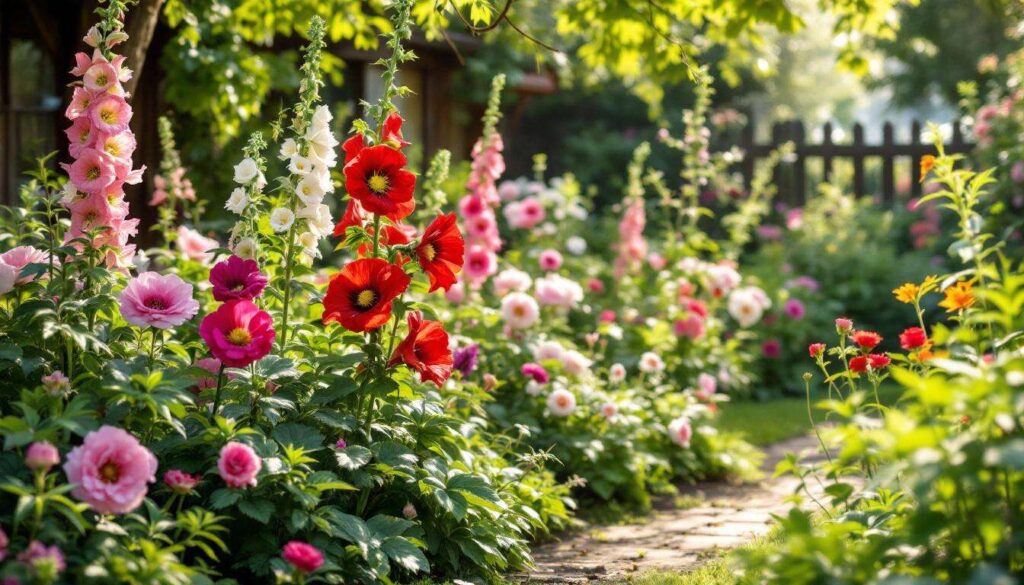
Gardens hold memories that span generations, and today’s gardeners are rediscovering the timeless appeal of plants that once graced their grandparents’ plots. These classic blooms, cherished for decades, are experiencing a remarkable resurgence as modern enthusiasts seek to reconnect with horticultural heritage whilst adding proven beauty to their outdoor spaces. From vibrant dahlias to fragrant lilacs, these nostalgic favourites are proving that some gardening traditions never truly fade.
The return of dahlias to our gardens
Victorian roots and modern appeal
Dahlias have journeyed from the Victorian era to become one of the most sought-after plants in contemporary gardens. These spectacular flowers, with their ruffled petals and extraordinary colour range, offer gardeners an extended blooming period that stretches well into autumn. Their versatility makes them suitable for borders, containers, and cutting gardens alike.
Growing requirements and varieties
Successful dahlia cultivation depends on several key factors:
- Well-drained soil to prevent tuber rot
- Full sun exposure for at least six hours daily
- Regular deadheading to encourage continuous flowering
- Staking for taller varieties to prevent wind damage
- Winter storage of tubers in frost-prone areas
The diversity of dahlia forms is truly remarkable, ranging from compact pompom varieties to dinner-plate sized blooms. Gardeners can choose from cactus dahlias with spiky petals, waterlily types with flat, layered petals, or decorative forms with fully double flowers. This extraordinary variety ensures there’s a dahlia suitable for every garden style and personal preference.
The renewed enthusiasm for these striking flowers naturally leads us to another autumn favourite that’s reclaiming its place in British gardens.
Chrysanthemums: a revisited tradition
Autumn colour specialists
Chrysanthemums have long been celebrated as the quintessential autumn flower, providing vibrant displays when many other plants have finished blooming. These hardy perennials offer an impressive palette of colours, from deep burgundies and bronzes to cheerful yellows and pristine whites. Their durability and extended flowering period make them invaluable for maintaining garden interest from late summer through to the first frosts.
Contemporary uses and cultivation
Modern gardeners are discovering innovative ways to incorporate chrysanthemums into their planting schemes. These versatile plants excel in:
- Mixed borders alongside ornamental grasses
- Container displays for patios and doorways
- Cut flower arrangements with exceptional vase life
- Companion planting with autumn-blooming sedums
| Chrysanthemum type | Height range | Best use |
|---|---|---|
| Cushion mums | 30-45cm | Borders and containers |
| Garden mums | 45-90cm | Mixed plantings |
| Exhibition types | 90-150cm | Cut flowers |
The increasing popularity of chrysanthemums reflects their status as fashionable gifts and their reliability in British growing conditions. Their ability to thrive with minimal maintenance whilst delivering maximum impact makes them particularly appealing to time-pressed gardeners seeking traditional charm.
From the visual splendour of chrysanthemums, we move to a plant whose appeal lies primarily in its intoxicating fragrance.
Lilacs: a rediscovered scent of yesteryear
Fragrance and childhood memories
Few plants evoke childhood memories as powerfully as lilacs, whose intoxicating scent can transport gardeners back decades. These deciduous shrubs produce clusters of purple, white, or pink blooms that perfume entire gardens during late spring. Their ability to thrive in various climates across the UK has made them enduring favourites, whilst their relatively low maintenance requirements appeal to modern gardeners seeking traditional beauty without excessive work.
Varieties and growing conditions
Lilacs offer surprising diversity beyond the classic purple blooms most people remember. Contemporary gardeners can select from:
- Compact varieties suitable for smaller gardens
- Double-flowered forms with extra petals
- White cultivars for elegant monochrome schemes
- Bicolour varieties offering unique visual interest
- Late-flowering types extending the season
These hardy shrubs prefer alkaline soil and full sun, though they tolerate partial shade. Pruning immediately after flowering ensures vigorous growth and abundant blooms the following year. Established lilacs are remarkably drought-tolerant, making them excellent choices for gardens facing increasingly dry summers.
Whilst lilacs captivate through scent, our next nostalgic favourite relies on visual impact and remarkable adaptability.
Hydrangeas: the brilliance and colours of the past
Colour-changing capabilities
Hydrangeas possess a unique characteristic that fascinates gardeners: their ability to change flower colour based on soil pH. This remarkable adaptability allows the same variety to produce blue flowers in acidic soil and pink blooms in alkaline conditions. This natural chemistry experiment adds an element of intrigue to growing these classic shrubs, whilst their long flowering season from summer through autumn ensures extended garden interest.
Popular varieties and landscape uses
| Hydrangea type | Flower form | Flowering period |
|---|---|---|
| Mophead | Large rounded clusters | June-September |
| Lacecap | Flat open centres | June-September |
| Paniculata | Conical panicles | July-October |
The versatility of hydrangeas extends beyond their colour-changing abilities. These substantial shrubs work beautifully as specimen plants, hedging, or foundation plantings. Their tolerance of partial shade makes them ideal for brightening darker corners, whilst their substantial presence provides structure throughout the year. Even dried flower heads offer winter interest, adding architectural beauty to frost-touched gardens.
From the bold presence of hydrangeas, we turn to a more delicate yet equally charming cottage garden classic.
The rebirth of sweet william
Cottage garden heritage
Sweet william represents the quintessential cottage garden flower, with its densely packed clusters of fringed blooms creating carpets of colour. These biennial plants have adorned British gardens for centuries, valued for their sweet fragrance and ability to self-seed, ensuring their presence year after year. Their recent resurgence reflects a broader appreciation for traditional planting styles and low-maintenance garden solutions.
Cultivation and companion planting
Growing sweet william successfully involves understanding their biennial nature. Gardeners should:
- Sow seeds in early summer for following year’s flowers
- Provide well-drained soil in sunny positions
- Allow some plants to self-seed for continuous displays
- Deadhead regularly to prolong flowering
- Combine with other cottage garden favourites
The colour range of sweet william spans from deep crimsons and purples to soft pinks and pristine whites, often with contrasting eyes that add visual interest. Their compact height makes them perfect for front-of-border positions, whilst their sturdy stems ensure excellent performance as cut flowers. The delightful clove-like fragrance adds another dimension to their appeal.
Having explored these traditional favourites, we arrive at perhaps the most iconic garden plant of all.
The timeless charm of roses
Old-fashioned varieties and romantic appeal
Roses have graced gardens for millennia, yet old-fashioned varieties are experiencing particular renewed interest. These heritage roses offer complex fragrances and diverse colours that modern hybrid teas sometimes lack. Gardeners appreciate their romantic blooms, disease resistance, and ability to evoke memories of cherished gardens past. From rambling varieties clothing walls and pergolas to compact shrub roses perfect for borders, these classic beauties continue to captivate.
Care requirements and selection
Successful rose cultivation requires attention to several key factors:
- Choosing disease-resistant varieties reduces maintenance
- Ensuring good air circulation prevents fungal problems
- Feeding regularly during growing season promotes flowering
- Mulching conserves moisture and suppresses weeds
- Pruning appropriately for variety type and flowering habit
| Rose category | Flowering habit | Fragrance level |
|---|---|---|
| Old garden roses | Once-flowering | Very strong |
| English roses | Repeat-flowering | Strong |
| Climbing roses | Variable | Moderate to strong |
The enduring popularity of roses reflects their unmatched beauty and the emotional connections they forge. Whether grown for cutting, fragrance, or garden display, these romantic blooms remain central to British gardening culture, bridging past and present with effortless grace.
These nostalgic plants demonstrate that gardening traditions possess enduring value, offering proven beauty and reliability that transcends fleeting trends. By reintroducing dahlias, chrysanthemums, lilacs, hydrangeas, sweet william, and roses into contemporary gardens, today’s enthusiasts honour horticultural heritage whilst creating spaces filled with colour, fragrance, and memories. The resurgence of these classic plants reflects a deeper desire to connect with the past, share garden wisdom across generations, and cultivate beauty that has stood the test of time.