



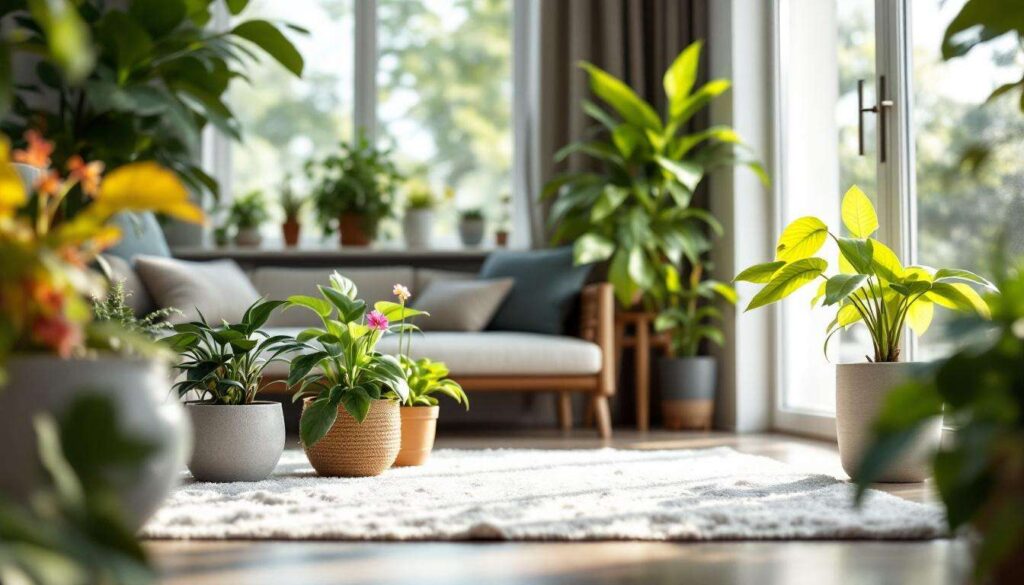
Indoor plants transform living spaces with their vibrant foliage and air-purifying qualities, yet their presence poses significant threats to flooring materials. Water seepage, condensation build-up, and accidental spillage can cause irreversible damage to hardwood, laminate, and carpeted surfaces. Homeowners frequently overlook the gradual deterioration occurring beneath plant pots until visible stains, warping, or mould appear. Implementing protective strategies proves essential for maintaining both thriving greenery and pristine floors throughout your home.
Understanding the risks of hidden moisture for your floors
The mechanics of moisture damage
Moisture accumulation beneath houseplants occurs through multiple pathways that often escape immediate detection. Condensation forms naturally when temperature differences exist between pot bases and floor surfaces, creating droplets that pool unnoticed. Drainage holes intended to prevent root rot simultaneously allow water to escape onto flooring materials, whilst overfilled saucers overflow during routine watering sessions.
Different flooring types exhibit varying vulnerabilities to moisture exposure:
- Hardwood floors absorb water through their porous structure, leading to swelling, cupping, and permanent discolouration
- Laminate surfaces suffer delamination when moisture penetrates protective layers, causing bubbling and separation
- Carpeted areas develop mould growth and musty odours when dampness persists within fibres
- Tile flooring experiences grout deterioration and potential substrate damage beneath ceramic surfaces
Long-term consequences of unprotected plant placement
The financial implications of moisture damage extend far beyond aesthetic concerns. Repair costs escalate rapidly when structural integrity becomes compromised, requiring professional restoration services or complete floor replacement. Mould spores released from damp conditions pose health risks, particularly for individuals with respiratory sensitivities or allergies.
| Damage Type | Typical Repair Cost | Time to Visible Damage |
|---|---|---|
| Hardwood water stains | £200-£500 per room | 2-4 weeks |
| Laminate warping | £300-£800 per room | 1-3 weeks |
| Carpet mould remediation | £150-£400 per area | 3-6 weeks |
Prevention strategies prove substantially more economical than remediation efforts, making proactive measures a worthwhile investment. Understanding these risks establishes the foundation for selecting appropriate plant varieties that complement your specific flooring materials.
Choosing the right plants for your type of flooring
Matching plant water requirements to flooring sensitivity
Low-maintenance succulents and cacti require infrequent watering, minimising moisture exposure risks for sensitive flooring. These drought-tolerant species thrive with minimal intervention, making them ideal choices for hardwood or laminate installations. Snake plants and ZZ plants similarly tolerate neglect whilst maintaining attractive appearances, reducing the likelihood of overwatering incidents.
For carpeted rooms, selecting plants with moderate water needs prevents saturation issues. Spider plants, pothos, and philodendrons establish predictable watering schedules that allow careful moisture management without excessive drainage concerns.
Size and pot considerations
Larger specimens in substantial containers present increased spillage risks due to their water volume requirements. Positioning heavyweight pots on resilient flooring types such as tile or sealed concrete provides greater protection than placing them on vulnerable surfaces. Smaller decorative plants distributed across elevated surfaces like shelving units or plant stands eliminate direct floor contact entirely.
These strategic plant selections work in conjunction with physical protective barriers to create comprehensive defence systems.
Using waterproof trays or saucers
Essential features of effective drainage systems
Quality saucers incorporate raised ridges or grid patterns that elevate pot bases above collected water, preventing capillary action from drawing moisture back into containers. Materials matter significantly, with glazed ceramic, rigid plastic, and coated metal offering superior waterproofing compared to unfinished terracotta or porous materials.
- Diameter should exceed pot width by at least 5 centimetres to capture splashes
- Depth requirements vary, but 2-3 centimetres accommodates typical drainage volumes
- Clear or transparent options allow visual monitoring of water accumulation
- Removable designs facilitate regular emptying and cleaning procedures
Proper saucer maintenance protocols
Regular emptying prevents stagnant water from becoming breeding grounds for bacteria and fungal growth. Inspection following each watering session ensures excess moisture removal before it migrates beyond containment boundaries. Weekly cleaning with mild detergent eliminates mineral deposits and organic residues that compromise waterproof integrity.
Whilst saucers provide essential first-line defence, additional protective layers offer enhanced security for particularly valuable flooring.
Adopting protective coverings under your plants
Towel placement strategies
Absorbent towels capture escaping moisture before it contacts flooring surfaces, functioning as sacrificial barriers that require periodic replacement. Microfibre materials offer superior absorption capacity compared to traditional cotton weaves, whilst remaining thin enough to prevent trip hazards. Folding towels into multiple layers increases protective capacity for high-risk situations involving frequent watering or humid environments.
However, towels alone present limitations. Saturated fabrics eventually allow moisture penetration, and organic materials may harbour mould growth if not changed regularly. Combining towels with impermeable underlayers creates more reliable protection systems.
Multi-layer protection configurations
Optimal arrangements incorporate waterproof membranes beneath absorbent top layers. Vinyl mats, rubber sheets, or plastic trays form impenetrable barriers that contain any moisture escaping towel absorption. Cork tiles provide natural water resistance whilst offering aesthetic appeal and cushioning properties that protect floors from pot weight distribution.
| Protection Type | Moisture Barrier | Aesthetic Appeal |
|---|---|---|
| Towel only | Moderate | Low |
| Plastic tray | Excellent | Low |
| Cork mat | Good | High |
| Towel + vinyl | Excellent | Moderate |
These physical protections work most effectively when paired with controlled watering practices that limit moisture generation at the source.
Implementing an effective watering routine
Quantity control techniques
Precise measurement prevents overwatering, the primary cause of floor moisture damage. Using measuring cups or watering cans with graduated markings ensures consistent application volumes tailored to specific plant requirements. The finger-test method, inserting a digit into soil to assess dryness levels, prevents unnecessary watering when moisture remains adequate.
Bottom-watering techniques, where pots sit in water-filled trays for controlled absorption periods, eliminate surface runoff and spillage risks. This approach allows roots to draw required moisture whilst excess water remains contained within designated vessels for easy disposal.
Timing and environmental considerations
Morning watering sessions allow excess moisture to evaporate throughout daylight hours, reducing overnight accumulation risks. Seasonal adjustments account for heating systems during winter months that accelerate evaporation, whilst summer humidity may require reduced watering frequency. Monitoring room temperature and ventilation patterns helps establish appropriate schedules that balance plant health with floor protection.
Even meticulous watering practices benefit from regular inspection regimes that catch developing issues before they escalate.
Regularly monitoring and maintaining your floors and plants
Inspection schedules and warning signs
Weekly examinations of plant placement areas reveal early indicators of moisture problems. Discolouration, soft spots, or temperature differences in flooring materials signal water penetration requiring immediate intervention. Lifting pots periodically exposes hidden condensation or drainage issues invisible during casual observation.
- Check protective barriers for saturation or degradation
- Inspect pot drainage holes for blockages affecting water flow
- Examine saucer integrity for cracks or deterioration
- Assess plant health indicators suggesting overwatering problems
Preventative maintenance actions
Rotating plant positions distributes wear patterns across flooring surfaces, preventing concentrated damage in high-traffic botanical zones. Replacing protective materials before complete saturation maintains continuous barrier effectiveness. Professional floor treatments, such as sealant applications or protective coatings, enhance inherent moisture resistance and extend surface longevity.
Documentation of watering schedules, plant relocations, and maintenance activities creates accountability systems that ensure consistent protective practices over extended periods.
Protecting floors from houseplant moisture damage requires multi-faceted approaches combining appropriate plant selection, physical barriers, controlled watering practices, and vigilant monitoring. Waterproof saucers provide essential containment whilst towels and underlayers offer additional security for valuable flooring materials. Regular inspection routines catch developing problems early, preventing costly repairs and preserving both botanical displays and interior surfaces. These integrated strategies enable homeowners to enjoy indoor greenery without compromising structural integrity or aesthetic appeal.