

The relationship between people and their indoor plants continues to evolve, with emerging preferences reflecting broader shifts in lifestyle and design philosophy. Houseplants have transcended their decorative function to become integral components of well-considered living environments. The trends emerging this year reveal a more thoughtful approach to indoor greenery, one that prioritises substance over quantity and intentionality over impulse. From statement foliage to sustainable practices, these developments signal a maturing market where plant enthusiasts seek deeper connections with their botanical companions.
Indoor jungle trends
The maximalist approach to plant displays
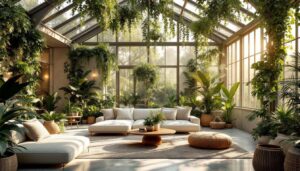
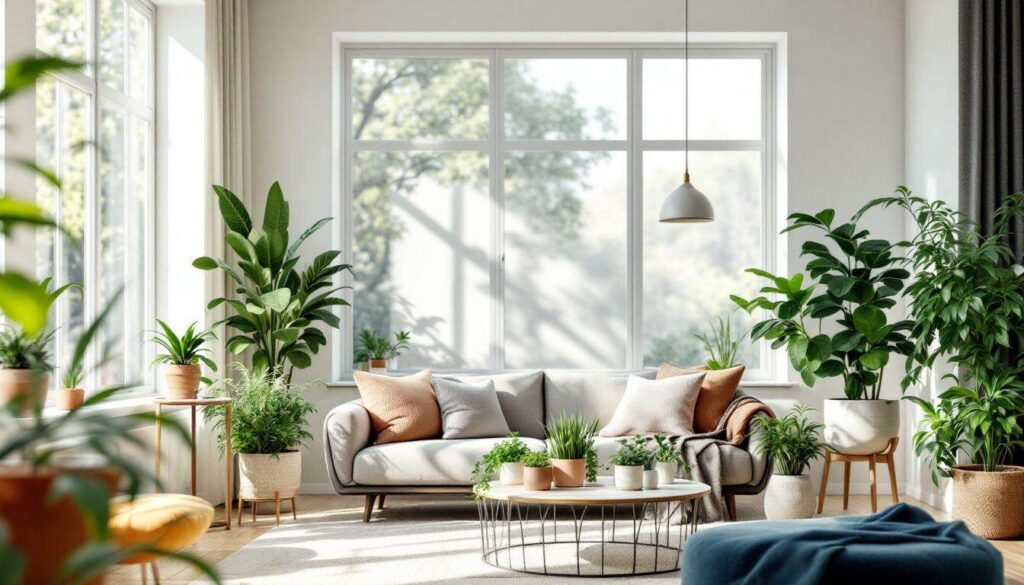
The indoor jungle aesthetic remains a powerful force in contemporary interior design, characterising spaces filled with abundant greenery that creates immersive botanical environments. This trend celebrates density and variety, transforming living areas into lush sanctuaries that blur the boundaries between indoor and outdoor spaces. Enthusiasts are layering plants at different heights, utilising hanging planters, floor-standing specimens, and elevated surfaces to achieve a multi-dimensional effect.
Creating depth with diverse species
Achieving a successful indoor jungle requires careful selection of complementary species that thrive in similar conditions. Popular combinations include:
- Trailing pothos and philodendrons cascading from elevated positions
- Mid-height ferns and calatheas providing textural interest
- Tall specimens such as rubber plants and dracaenas anchoring the arrangement
- Compact succulents and peperomias filling foreground spaces
The layered approach creates visual complexity whilst maintaining a cohesive aesthetic that feels both abundant and intentional rather than cluttered.
Practical considerations for jungle environments
Maintaining an indoor jungle demands attention to environmental factors including humidity levels, air circulation, and light distribution. Many enthusiasts invest in humidifiers and grow lights to support their extensive collections, particularly for tropical species that require consistent moisture. The commitment extends beyond acquisition to encompass ongoing care routines that ensure each plant receives appropriate attention.
Whilst the indoor jungle trend celebrates abundance, a parallel movement towards more considered plant selection is gaining momentum, reflecting changing priorities amongst houseplant enthusiasts.
Intentional greenery
Quality over quantity philosophy
The shift towards intentional greenery marks a departure from accumulation-focused collecting. This approach emphasises selecting plants that genuinely enhance living spaces rather than simply filling them. Each specimen is chosen for its specific contribution to the overall environment, whether providing architectural interest, improving air quality, or offering particular aesthetic appeal. This philosophy aligns with broader minimalist principles whilst acknowledging the value that carefully chosen plants bring to interior spaces.
Statement plants as focal points
Rather than numerous small specimens, intentional greenery often centres on fewer, more substantial plants that command attention. These statement pieces include:
- Mature fiddle-leaf figs with dramatic foliage
- Sculptural bird of paradise plants
- Impressive monstera deliciosa with fenestrated leaves
- Striking snake plants in architectural containers
These specimens function as living sculptures, providing visual impact whilst requiring less overall maintenance than managing numerous smaller plants.
Emotional connections and plant personalities
Intentional plant selection often involves considering the relationship between owner and plant. Enthusiasts are increasingly choosing species that resonate with their lifestyles, care capabilities, and aesthetic preferences. This personalised approach creates stronger connections between people and their plants, resulting in better care outcomes and greater satisfaction. The emphasis shifts from collecting impressive quantities to nurturing meaningful botanical relationships.
This thoughtful approach naturally extends to considering the environmental implications of plant ownership and cultivation practices.
Sustainable indoor cultivation
Ethical sourcing and propagation
Growing awareness of environmental issues has prompted plant enthusiasts to examine the sustainability of their collections. Ethical sourcing has become paramount, with conscious consumers seeking plants from nurseries that employ responsible cultivation methods. Propagation through cuttings, division, and seed germination offers alternatives to purchasing commercially grown specimens, reducing environmental impact whilst fostering horticultural skills.
Eco-friendly growing practices
| Practice | Environmental benefit | Implementation |
|---|---|---|
| Peat-free compost | Preserves bog ecosystems | Use coir or composted bark alternatives |
| Rainwater collection | Reduces water consumption | Install collection systems for irrigation |
| Organic fertilisers | Minimises chemical runoff | Apply compost tea or worm castings |
| Recycled containers | Reduces plastic waste | Repurpose household items as planters |
Local and native species appreciation
Whilst exotic species retain their appeal, there is growing interest in locally adapted plants that require fewer resources to maintain. Native species often prove more resilient in regional conditions, demanding less supplemental watering, fertilisation, and climate control. This trend reflects broader ecological awareness and appreciation for regional botanical diversity.
Sustainability considerations complement another emerging preference for plants that demand minimal intervention whilst maintaining visual appeal.
Low-maintenance plants and elegance
Beauty without constant attention
The appeal of low-maintenance houseplants continues to expand as busy lifestyles and practical considerations influence purchasing decisions. These resilient species deliver aesthetic impact without demanding extensive care routines. Snake plants, ZZ plants, and pothos varieties exemplify this category, tolerating irregular watering and variable light conditions whilst maintaining attractive foliage.
Drought-tolerant species gaining prominence
Succulents and cacti have evolved beyond their previous niche status to become mainstream choices for contemporary interiors. Their architectural forms and varied textures provide sculptural interest whilst requiring minimal watering. Popular selections include:
- Echeveria varieties with rosette formations
- Jade plants offering substantial presence
- String of pearls creating cascading displays
- Aloe species combining utility with aesthetics
Elegant simplicity in presentation
Low-maintenance plants are increasingly showcased in refined containers and settings that emphasise their natural beauty. Minimalist ceramic pots, concrete planters, and handcrafted vessels complement the understated elegance of these species. The presentation style reflects appreciation for the plants’ inherent qualities rather than relying on elaborate staging or excessive ornamentation.
Whilst some enthusiasts embrace simplicity, others pursue distinctive specimens that reflect more specialised interests and collecting ambitions.
Must-have collector’s plants
Rare varieties and variegation
The collector’s market for exceptional houseplants continues to thrive, with enthusiasts seeking unusual specimens that distinguish their collections. Variegated forms of common species command particular attention, their irregular pigmentation patterns creating unique visual interest. Variegated monstera, philodendron, and pothos varieties fetch premium prices whilst generating considerable excitement amongst dedicated collectors.
Investment pieces and horticultural prestige
Certain plants have achieved status as investment pieces, their rarity and desirability driving substantial market values. The phenomenon reflects both genuine horticultural appreciation and the influence of social media visibility. Notable collector’s plants include:
- Monstera albo with striking white variegation
- Philodendron pink princess featuring pink pigmentation
- Anthurium clarinervium with distinctive veining
- Alocasia varieties displaying dramatic foliage
Community and knowledge sharing
The collector community fosters knowledge exchange through online forums, social media groups, and local plant societies. Enthusiasts share cultivation techniques, propagation methods, and sourcing information, creating supportive networks that extend beyond simple acquisition. This collaborative approach enhances the collecting experience whilst promoting better care practices and realistic expectations regarding rare species requirements.
The enthusiasm for distinctive plants intersects with broader design movements that integrate vegetation into architectural contexts.
Biophilic design and architectural integration
Connecting interiors with natural elements
Biophilic design principles emphasise incorporating natural elements into built environments to enhance wellbeing and productivity. This approach extends beyond simply placing plants in rooms to thoughtfully integrating vegetation into architectural features. Living walls, planted room dividers, and purpose-built planters demonstrate how greenery can become structural components rather than mere accessories.
Strategic placement for maximum impact
Architectural integration requires considering how plants interact with spatial elements including lighting, circulation patterns, and functional zones. Strategic placement enhances both plant health and design effectiveness:
- Positioning specimens near windows to maximise natural light
- Using tall plants to define spatial boundaries
- Incorporating greenery into shelving systems and built-in features
- Creating planted focal points that anchor room compositions
Professional design collaboration
Interior designers and architects increasingly collaborate with horticultural specialists to develop integrated planting schemes that function effectively within specific environments. These partnerships ensure appropriate species selection, adequate growing conditions, and maintenance accessibility. The professional approach elevates houseplants from decorative afterthoughts to essential design elements that contribute meaningfully to spatial quality and occupant experience.
The convergence of these trends reflects a maturing relationship between people and indoor plants, one characterised by greater knowledge, intentionality, and appreciation for the diverse roles that houseplants fulfil. Whether embracing abundant jungle aesthetics, pursuing rare specimens, or integrating greenery architecturally, enthusiasts are approaching indoor cultivation with increased sophistication. These movements collectively demonstrate that houseplants have secured their position as vital components of contemporary living spaces, offering beauty, connection to nature, and opportunities for personal expression through thoughtful cultivation.