



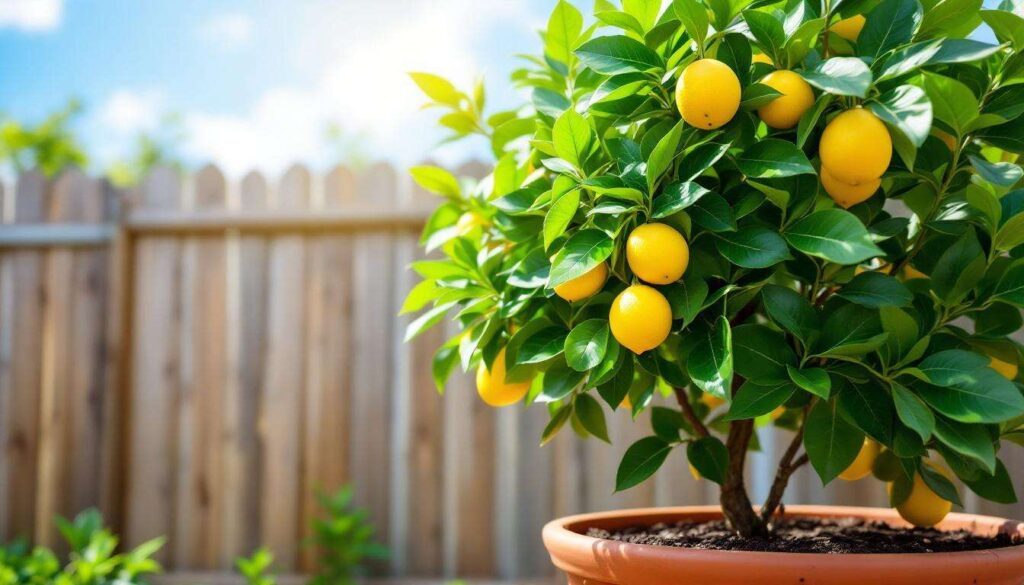
Cultivating citrus in containers has become increasingly popular among gardening enthusiasts seeking to bring Mediterranean charm to their homes. The prospect of harvesting fresh lemons from your own tree, regardless of climate or garden size, represents an achievable ambition with the right knowledge and approach.
Why grow a lemon tree in a pot ?
Space efficiency and flexibility
Growing a lemon tree in a container offers remarkable versatility for those with limited outdoor space. Urban dwellers with balconies, patios or small courtyards can successfully cultivate these productive trees without requiring extensive garden beds. The portability of potted specimens allows gardeners to reposition their trees according to seasonal light patterns and weather conditions.
Climate control advantages
Container cultivation provides essential protection against unpredictable weather patterns. Key benefits include:
- ability to move trees indoors during frost periods
- protection from excessive rainfall that can waterlog roots
- control over soil quality and drainage
- reduced exposure to ground-dwelling pests
This controlled environment significantly increases success rates, particularly in regions where outdoor cultivation would prove challenging. Understanding variety selection becomes the natural next consideration.
Choosing the right lemon tree variety
Compact varieties for containers
The Meyer lemon stands out as an exceptional choice for pot cultivation, producing sweeter fruit with a distinctive flavour profile. Its naturally compact growth habit and tolerance to cooler temperatures make it particularly suitable for container gardening. The Eureka variety offers year-round fruiting potential, whilst the Lisbon demonstrates superior cold hardiness.
Comparative characteristics
| Variety | Fruit size | Cold tolerance | Productivity |
|---|---|---|---|
| Meyer | Medium | Good | High |
| Eureka | Large | Moderate | Continuous |
| Lisbon | Medium | Excellent | Seasonal |
| Ponderosa | Very large | Moderate | Moderate |
The Ponderosa produces impressively large lemons with thick rinds, though its fruit tends towards greater acidity. Once you’ve selected your preferred variety, proper container selection becomes paramount.
Selecting the ideal pot
Material considerations
Terracotta pots offer superior breathability for root systems, allowing excess moisture to evaporate through porous walls. Ceramic containers provide excellent stability and aesthetic appeal, whilst plastic options offer lightweight portability. Regardless of material choice, drainage holes are absolutely essential to prevent waterlogging.
Size requirements
Young lemon trees thrive in containers measuring 30 to 38 centimetres in diameter. As the root system develops, gradual repotting into larger vessels becomes necessary. Consider these guidelines:
- initial planting: 30-38 cm diameter
- second year: 45-50 cm diameter
- mature trees: 60 cm diameter or larger
- depth should equal or exceed diameter
Proper pot selection establishes the foundation, but correct planting technique determines long-term success.
Planting your lemon tree: tips and advice
Soil composition
A well-draining growing medium proves crucial for lemon tree health. Create an optimal mixture combining quality potting compost with perlite or horticultural grit in a ratio of approximately 2:1. The soil pH should range between 5.5 and 6.5 for best nutrient availability. Adding organic matter enhances moisture retention whilst maintaining drainage.
Planting procedure
Position drainage material such as broken terracotta pieces at the pot base before adding soil. Place the tree so the root ball sits slightly above the final soil level, preventing crown rot. Fill surrounding space with prepared compost, firming gently to eliminate air pockets. Water thoroughly after planting to settle the soil around roots.
Successful establishment depends on consistent care practices throughout the growing season.
Caring for your potted lemon tree
Watering requirements
Lemon trees require deep but infrequent watering rather than frequent light applications. Allow the top 5 centimetres of soil to dry between waterings, then saturate thoroughly until water drains from the base. Container-grown specimens typically need watering 2-3 times weekly during summer, reducing to weekly in cooler months.
Sunlight exposure
These citrus trees demand 6 to 8 hours of direct sunlight daily for optimal growth and fruit production. South-facing positions provide ideal light levels in the northern hemisphere. Insufficient light results in poor fruiting and weak, leggy growth.
Fertilisation schedule
Regular feeding supports vigorous growth and abundant fruiting. Apply a balanced citrus fertiliser according to these recommendations:
- spring and summer: fortnightly applications
- autumn: monthly feeding
- winter: suspend fertilisation
- use half-strength liquid feed or slow-release granules
Pruning practices
Moderate pruning maintains manageable size and encourages productive branching. Remove dead, damaged or crossing branches, and trim excessive growth to maintain shape. Light pruning throughout the growing season proves more beneficial than severe annual cutting. As temperatures drop, protective measures become increasingly important.
Protecting your lemon tree in winter
Temperature thresholds
Lemon trees suffer damage when temperatures fall below 10°C, with severe harm occurring at freezing point. Monitor weather forecasts carefully during autumn and spring when unexpected cold snaps may occur. Indoor relocation provides the most reliable protection in frost-prone regions.
Indoor overwintering
Position trees near bright windows, preferably south-facing, when bringing them indoors. Maintain temperatures between 13-18°C and ensure adequate humidity through regular misting or humidity trays. Reduce watering frequency but never allow complete soil drying. These precautions ensure your tree remains healthy until harvest time arrives.
Harvesting and enjoying your lemons
Determining ripeness
Lemons typically require 6-9 months from flowering to reach full maturity. Ripe fruit displays vibrant yellow colouring and yields slightly to gentle pressure. Size varies by variety, but colour provides the most reliable ripeness indicator. Unlike many fruits, lemons can remain on the tree for several weeks after ripening without quality deterioration.
Harvesting technique
Use clean, sharp secateurs to cut fruit with a short stem section attached. Twisting or pulling risks damaging productive branches. Harvest as needed rather than removing all fruit simultaneously, allowing extended enjoyment of fresh lemons throughout the season.
Successfully growing a lemon tree in a pot combines practical horticultural knowledge with consistent attention to the plant’s needs. From selecting appropriate varieties through to protecting against winter cold, each stage contributes to productive cultivation. The reward of harvesting home-grown lemons, with their superior flavour and guaranteed freshness, justifies the effort invested in proper care and maintenance throughout the seasons.