



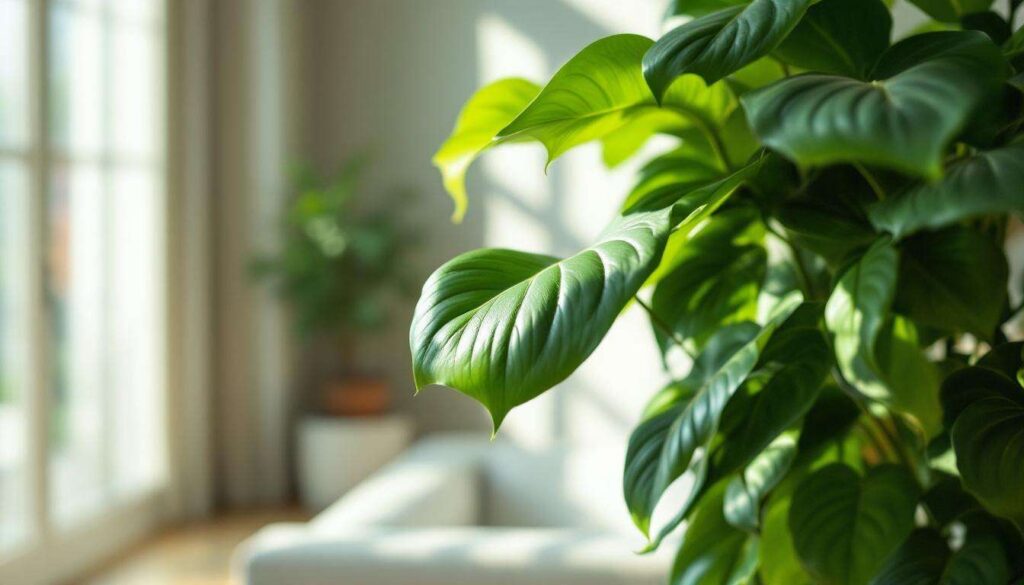
Houseplant enthusiasts have witnessed a remarkable shift in preferences as the National Garden Bureau officially designated the ficus as the plant of 2026. This announcement, made on 10 January during National Indoor Plant Appreciation Day, signals a significant return to favour for a genus that has long been present in homes but perhaps overlooked in recent years. With over 800 species offering diverse aesthetic possibilities, the ficus family presents an attractive proposition for those seeking both visual appeal and practical benefits in their indoor spaces.
Ficus: a versatile and purifying choice
An extensive botanical family
The ficus genus encompasses more than 800 distinct species, each offering unique characteristics in terms of leaf shape, texture, and overall appearance. This extraordinary diversity allows homeowners to select specimens that complement virtually any interior design scheme, from minimalist modern spaces to traditional settings. The most popular varieties include Ficus lyrata (Fiddle Leaf Fig), Ficus elastica (Rubber Plant), and Ficus benjamina (Weeping Fig), each bringing distinctive visual qualities to indoor environments.
Air purification capabilities
Beyond their aesthetic appeal, ficus plants have been recognised for their air-purifying properties. These specimens actively contribute to improving indoor air quality by filtering common pollutants and releasing oxygen. The benefits extend to creating a more conducive environment for well-being, making them particularly valuable in urban settings where air quality concerns are prevalent.
| Species | Primary Benefit | Maintenance Level |
|---|---|---|
| Ficus lyrata | Dramatic foliage | Moderate |
| Ficus elastica | Air purification | Low |
| Ficus benjamina | Adaptability | Moderate |
Longevity and durability
Ficus plants rank among the most durable indoor specimens available to gardeners. When provided with appropriate care, these plants can thrive for decades, making them a worthwhile investment for those committed to long-term indoor gardening. Their resilience to various indoor conditions contributes to their appeal amongst both novice and experienced plant enthusiasts.
This combination of practical benefits and aesthetic versatility sets the stage for understanding broader developments in the houseplant market.
Indoor plant trends in 2026
The rise of biophilic design
Contemporary interior design increasingly emphasises biophilic principles, which seek to integrate natural elements into built environments. This approach recognises the psychological and physiological benefits of maintaining connections with nature, even in urban settings. Ficus plants, with their substantial presence and relatively straightforward care requirements, align perfectly with this design philosophy.
Bold foliage preferences
Current trends favour plants with dramatic character and striking visual impact. Whilst varieties such as Alocasia and Philodendron continue to attract attention, the ficus family offers comparable aesthetic appeal with potentially lower maintenance demands. The preference for bold foliage reflects a broader shift towards statement pieces that serve as focal points within interior spaces.
Adaptability over complexity
Modern plant enthusiasts increasingly prioritise specimens that offer decorative value without requiring intensive care. This shift reflects changing lifestyles and the desire to incorporate greenery without committing to demanding maintenance schedules. Key factors driving this preference include:
- Limited time for plant care amongst urban professionals
- Desire for reliable specimens that tolerate occasional neglect
- Interest in plants that adapt to varying light conditions
- Preference for species with predictable growth patterns
These evolving preferences provide context for understanding why traditional favourites are experiencing renewed popularity.
Why the ficus is back in vogue
A reassessment of classic choices
The designation of ficus as plant of 2026 represents more than mere nostalgia. Experts emphasise that this trend reflects a fundamental reassessment of how individuals select and maintain their indoor plants. Rather than chasing novelty, contemporary enthusiasts are rediscovering the merits of established species that have proven their worth over time.
Meeting contemporary needs
Ficus plants address several concerns prevalent amongst modern indoor gardeners. Their air-purifying capabilities respond to increasing awareness of indoor air quality issues. Their longevity appeals to those seeking sustainable choices that reduce consumption. Their adaptability suits the varied conditions found in contemporary homes and offices.
Aesthetic flexibility
The diverse range of ficus species allows for considerable creative expression. From the sculptural leaves of Ficus lyrata to the glossy foliage of Ficus elastica, these plants accommodate different design visions. This versatility enables them to function equally well as standalone statement pieces or as components of larger plant collections.
However, maximising the potential of these plants requires avoiding certain common pitfalls in their cultivation.
Mistakes to avoid when caring for your ficus
Overwatering issues
One of the most frequent errors involves excessive watering. Ficus plants prefer soil that dries partially between waterings, and consistently saturated conditions can lead to root rot. Signs of overwatering include yellowing leaves, mushy stems, and an unpleasant odour from the soil. Proper watering technique involves checking soil moisture before adding water and ensuring adequate drainage.
Inappropriate lighting conditions
Whilst ficus plants demonstrate reasonable adaptability, they perform best with bright, indirect light. Placing specimens in excessively dark corners or in direct harsh sunlight can compromise their health. Common lighting mistakes include:
- Positioning plants too far from windows
- Exposing leaves to intense afternoon sun
- Failing to rotate plants for even light exposure
- Neglecting seasonal adjustments in plant placement
Inconsistent environmental conditions
Ficus plants can be sensitive to sudden changes in their environment. Frequent repositioning, dramatic temperature fluctuations, or exposure to draughts may cause leaf drop. Maintaining stable conditions supports healthy growth and reduces stress on the plant.
Understanding these care requirements complements broader considerations about plant selection and interior design trends.
Collectible plants and aesthetic choices for 2026
The collector’s perspective
Beyond their functional benefits, certain ficus varieties have become sought-after collectibles. Rare cultivars with unusual variegation or distinctive growth habits command particular interest amongst dedicated enthusiasts. This collecting culture adds another dimension to the ficus phenomenon, elevating these plants beyond mere decoration.
Integration with contemporary aesthetics
Ficus plants complement various interior design approaches. Their architectural forms suit minimalist spaces, whilst their lush foliage enhances more traditional settings. The ability to prune and shape certain species allows for customisation to specific spatial requirements.
Complementary species
Whilst ficus takes centre stage, successful interior plantscapes often incorporate complementary specimens. Plants that pair well with ficus include:
- Pothos for cascading elements
- Snake plants for contrasting vertical forms
- Ferns for textural variation
- Succulents for low-maintenance diversity
These considerations inform practical approaches to incorporating ficus plants into living spaces.
Tips for choosing and maintaining your ficus
Selection criteria
When selecting a ficus specimen, examine the plant carefully for signs of good health. Look for vibrant foliage without brown spots or yellowing, firm stems, and evidence of new growth. Avoid plants with visible pests or those that appear to have been recently repotted, as they may struggle with transplant shock.
Essential maintenance practices
Successful ficus cultivation requires attention to several key factors. Watering should be adjusted seasonally, with reduced frequency during winter months when growth slows. Regular dusting of leaves maintains photosynthetic efficiency and aesthetic appeal. Annual repotting in spring supports continued growth for younger specimens.
Troubleshooting common issues
Addressing problems promptly prevents minor issues from becoming serious. Common challenges and solutions include:
- Leaf drop: check for draughts or watering inconsistencies
- Brown leaf edges: increase humidity or reduce fertiliser concentration
- Leggy growth: provide more light or prune to encourage bushiness
- Pest infestations: isolate affected plants and treat with appropriate methods
The resurgence of ficus as the premier houseplant choice for 2026 reflects both its intrinsic qualities and evolving preferences amongst indoor gardeners. This versatile genus offers air purification, aesthetic flexibility, and remarkable durability, addressing contemporary needs whilst providing enduring appeal. Whether selecting a dramatic Fiddle Leaf Fig or a reliable Rubber Plant, enthusiasts can confidently embrace these specimens as centrepieces of their indoor gardens. The combination of practical benefits, visual impact, and relative ease of care positions the ficus family as a worthy recipient of this recognition, promising continued popularity amongst both novice and experienced plant enthusiasts.