



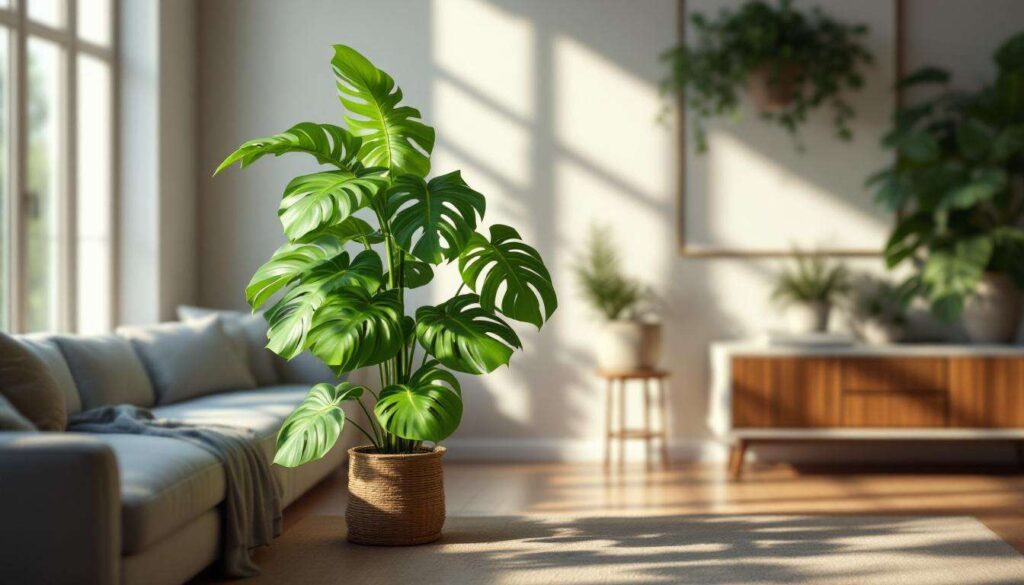
Bringing greenery into your living space has never been more appealing, particularly for those who worry about their ability to keep plants alive. The snake plant, scientifically known as Sansevieria, emerges as a champion amongst indoor foliage, offering striking visual appeal whilst demanding remarkably little attention. Its architectural leaves and forgiving nature make it an exceptional choice for anyone taking their first steps into indoor gardening.
Why choose easy-care indoor plants ?
Time-saving benefits for busy lifestyles
Modern life leaves little room for demanding hobbies, and low-maintenance plants fit perfectly into hectic schedules. Unlike traditional gardening that requires daily attention, easy-care indoor plants thrive with minimal intervention. The snake plant exemplifies this convenience, needing water only once every four to five weeks. This infrequent watering schedule suits professionals, students, and anyone who travels regularly, eliminating the guilt associated with neglecting more delicate species.
Reduced stress and increased success
For beginners, the fear of killing plants can prevent them from ever starting their indoor garden journey. Resilient varieties remove this anxiety by tolerating common mistakes such as irregular watering or inconsistent light exposure. The psychological benefits extend beyond simple plant survival:
- confidence builds as plants flourish despite imperfect care
- success with hardy species encourages experimentation with other varieties
- reduced financial waste from replacing deceased plants
- lower environmental impact through sustainable plant ownership
Adaptability to various environments
Not every home offers ideal growing conditions, yet easy-care plants accommodate diverse settings. The snake plant demonstrates remarkable versatility, surviving in both brightly lit rooms and shadowy corners. This adaptability proves invaluable for renters unable to modify their living spaces or homeowners with north-facing windows that receive limited natural light.
Understanding these advantages naturally leads to exploring which specific plants deliver on these promises of simplicity and resilience.
The best plants for beginners
The snake plant: an unrivalled champion
The snake plant stands as the undisputed favourite amongst novice gardeners. Its tall, sword-like leaves feature stunning variegated patterns in shades of green, yellow, and silver. Beyond aesthetics, this plant demonstrates extraordinary toughness, surviving weeks without water and tolerating temperature fluctuations that would devastate more sensitive species. Its upright growth habit requires minimal space whilst creating maximum visual impact.
Other foolproof options
Whilst the snake plant reigns supreme, several companions deserve consideration for building a beginner-friendly collection:
- pothos: trailing vines that grow rapidly with minimal fuss
- spider plant: produces charming offspring whilst purifying air
- cast iron plant: lives up to its name with remarkable durability
- rubber plant: glossy leaves add sophistication with little maintenance
- ZZ plant: tolerates neglect and low light exceptionally well
Comparative characteristics
| Plant variety | Watering frequency | Light requirements | Growth rate |
|---|---|---|---|
| Snake plant | Every 4-5 weeks | Low to bright | Slow |
| Pothos | Weekly | Low to moderate | Fast |
| Spider plant | Weekly | Moderate to bright | Moderate |
| ZZ plant | Every 2-3 weeks | Low to bright | Slow |
Selecting the right plant represents only the first step; understanding proper care techniques ensures long-term success.
Essential indoor plant care tips
Mastering the watering balance
Overwatering causes more plant deaths than any other factor. For snake plants, the golden rule involves allowing soil to dry completely between waterings. Insert your finger two inches into the soil; if it feels dry, watering time has arrived. During winter months, reduce frequency further as plant metabolism slows. Always use pots with drainage holes to prevent water accumulation at the roots.
Understanding light requirements
Although snake plants tolerate low light, they genuinely thrive in bright, indirect sunlight. Position your plant near windows with sheer curtains or several feet back from unobstructed south-facing windows. Rotate the pot quarterly to ensure even growth and prevent the plant from leaning towards the light source. Yellowing leaves may indicate excessive direct sun exposure, whilst stretching stems suggest insufficient light.
Soil and feeding fundamentals
Well-draining soil proves critical for snake plant health. Standard cactus or succulent mixtures work excellently, or create your own blend:
- two parts potting soil
- one part perlite or coarse sand
- one part peat moss or coconut coir
Fertilisation remains optional but beneficial during growing seasons. Apply a balanced, diluted liquid fertiliser monthly from spring through summer, then cease during autumn and winter dormancy.
Temperature and humidity considerations
Snake plants prefer temperatures between 15°C and 29°C, tolerating typical household conditions admirably. They require minimal humidity, unlike tropical species that demand misting or humidifiers. Keep plants away from heating vents and drafty windows to avoid temperature shock.
Even with straightforward care requirements, certain pitfalls catch beginners unaware and compromise plant health.
Common mistakes to avoid with indoor plants
The overwatering trap
Excessive watering represents the primary killer of indoor plants, particularly snake plants. Root rot develops when soil remains constantly saturated, preventing roots from accessing oxygen. Warning signs include:
- mushy, yellow leaves at the base
- foul odour emanating from soil
- brown, soggy roots visible when removing from pot
- wilting despite wet soil
Prevention requires patience and restraint. Establish a consistent checking schedule rather than watering on autopilot.
Incorrect pot selection
Choosing decorative pots without drainage holes dooms plants to waterlogged conditions. Either drill holes in attractive containers or use them as cache pots housing plain nursery pots inside. Oversized pots hold excess moisture that roots cannot absorb quickly enough, whilst undersized containers restrict growth and require frequent repotting.
Neglecting pest monitoring
Indoor plants face fewer pest pressures than outdoor varieties, yet problems occasionally arise. Common culprits include spider mites, mealybugs, and fungus gnats. Regular leaf inspection catches infestations early when treatment proves simpler. Wipe leaves monthly with a damp cloth to remove dust and reveal hiding pests.
Ignoring repotting needs
Snake plants grow slowly but eventually become rootbound, with roots circling the pot’s interior. Signs necessitating repotting include roots emerging from drainage holes, water running straight through without absorption, and stunted growth despite proper care. Repot every two to three years, selecting containers only slightly larger than the current size.
Understanding these pitfalls enhances appreciation for the numerous advantages plants bring to indoor environments.
Benefits of indoor plants in your home
Air quality improvement
The snake plant possesses exceptional air-purifying capabilities, removing toxins such as formaldehyde, benzene, and trichloroethylene from indoor air. Uniquely, it converts carbon dioxide to oxygen during nighttime hours, unlike most plants that only photosynthesise during daylight. This nocturnal oxygen production makes it particularly valuable in bedrooms, potentially improving sleep quality.
Psychological and emotional wellbeing
Research consistently demonstrates that indoor plants reduce stress, enhance mood, and increase productivity. The presence of greenery creates calming environments that lower blood pressure and promote relaxation. For remote workers, desk plants improve concentration and creativity whilst softening sterile office aesthetics. The act of caring for living things provides purpose and routine, particularly beneficial for those living alone.
Aesthetic enhancement
Snake plants function as living sculptures, their architectural forms complementing various interior design styles:
- minimalist spaces benefit from their clean, vertical lines
- bohemian rooms embrace their organic textures
- modern interiors appreciate their geometric patterns
- traditional settings gain contemporary touches through strategic placement
Economic and environmental advantages
| Benefit category | Specific advantage |
|---|---|
| Financial | Low purchase cost, minimal ongoing expenses |
| Environmental | Carbon sequestration, reduced need for air purifiers |
| Health | Humidity regulation, reduced airborne dust |
| Social | Conversation starters, gift opportunities |
Recognising these multifaceted benefits helps inform the selection process when choosing plants for specific spaces and purposes.
How to select the ideal indoor plant for you ?
Assessing your environment
Successful plant selection begins with honest evaluation of available conditions. Measure light levels throughout the day in potential placement areas, noting whether locations receive direct sun, bright indirect light, or remain predominantly shaded. Consider ambient temperature ranges and proximity to heat sources or air conditioning vents. The snake plant excels in this assessment due to its remarkable adaptability across varied conditions.
Matching plants to lifestyle
Your daily routine dramatically influences which plants will thrive under your care. Frequent travellers require extremely drought-tolerant species like snake plants or ZZ plants. Pet owners must research toxicity, as some common houseplants pose dangers to curious animals. Those seeking rapid gratification prefer fast-growing varieties, whilst patient gardeners appreciate slow, steady developers.
Defining your goals
Clarify what you hope to achieve through indoor gardening:
- air purification prioritises snake plants, spider plants, and peace lilies
- visual impact favours large specimens or dramatic foliage patterns
- educational opportunities for children suggest interactive species producing offshoots
- therapeutic benefits emerge from hands-on care routines
Starting small and expanding gradually
Resist the temptation to populate your home with numerous plants immediately. Begin with one or two resilient varieties like the snake plant, observing their responses to your care and environment. Success builds confidence and knowledge, informing future acquisitions. This measured approach prevents overwhelming yourself whilst minimising financial risk from potential failures.
The snake plant’s combination of striking appearance, minimal care requirements, and health benefits positions it as the perfect gateway into indoor gardening. Its tolerance for beginner mistakes provides reassurance whilst its architectural beauty rewards even modest efforts. Whether seeking to purify bedroom air, enliven a dim corner, or simply enjoy the satisfaction of nurturing living greenery, this remarkable plant delivers on all fronts. Starting your indoor garden journey with such a forgiving companion allows you to develop skills and confidence that will serve future horticultural adventures.