



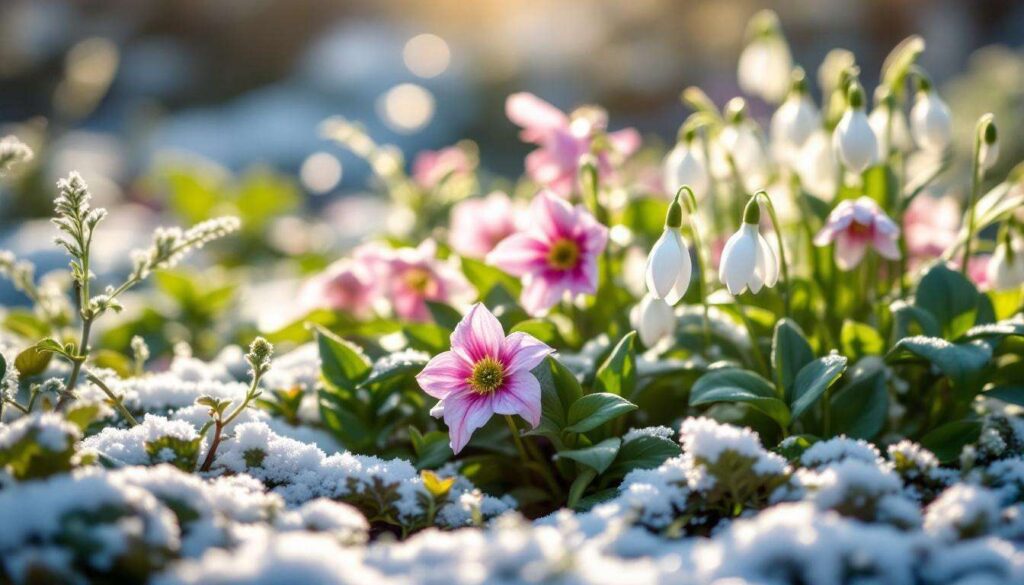
Winter gardening need not be a barren affair. Whilst many assume that the colder months bring only frost-bitten foliage and dormant beds, a carefully selected palette of hardy shrubs can transform your outdoor space into a vibrant, fragrant haven. These resilient plants not only withstand the harshest conditions but actively flourish, offering blooms and scents when the garden needs them most. For those seeking low-maintenance options that deliver maximum impact, certain species stand out for their ability to provide both visual interest and aromatic pleasure throughout the season.
Sarcococca: the fragrant winter elegance
An understated powerhouse of scent
The Sarcococca, commonly known as sweet box or Christmas box, is a modest evergreen shrub that punches well above its weight in terms of fragrance. Its small, creamy-white flowers appear from December through to March, releasing an intoxicating vanilla-like perfume that can fill an entire garden on still winter days. Despite its diminutive blooms, the intensity of its scent is remarkable, making it an ideal choice for planting near doorways, pathways, or seating areas where its aroma can be fully appreciated.
Cultivation and varieties
This shrub thrives in shade or partial shade, making it particularly valuable for those awkward spots beneath trees or along north-facing walls where little else will flourish. The variety Sarcococca confusa is especially popular for its compact growth habit and glossy, dark green foliage that provides year-round structure. Following the flowering period, attractive black berries develop, adding further ornamental value.
- Height: typically 1 to 1.5 metres
- Soil preference: moist, well-drained, humus-rich
- Maintenance: minimal pruning required
- Hardiness: fully hardy to temperatures below -15°C
Beyond its olfactory appeal, Sarcococca requires virtually no maintenance once established, tolerating neglect with remarkable grace. This makes it an exceptional choice for busy gardeners or those new to winter planting. The evergreen nature of the foliage ensures that even when not in bloom, the plant contributes valuable structure and greenery to the winter landscape.
Mahonia: a burst of winter colour
Architectural form meets vibrant blooms
The Mahonia genus offers some of the most architecturally striking plants available for winter gardens. With its bold, pinnate leaves reminiscent of holly and dramatic spikes of bright yellow flowers, this shrub commands attention even in the dreariest weather. The variety Mahonia x media ‘Winter Sun’ begins flowering from mid-November, producing long racemes of fragrant, golden blooms that stand proud above the foliage.
Practical benefits and growing conditions
Beyond aesthetics, Mahonia serves an important ecological function. Its flowers provide a crucial nectar source for early pollinators, including bees and other insects that venture out during mild winter spells. The subsequent blue-black berries attract birds, adding movement and life to the garden whilst providing essential food during scarce months.
| Characteristic | Details |
|---|---|
| Flowering period | November to March |
| Light requirements | Partial shade to full sun |
| Mature height | 2 to 3 metres |
| Soil type | Well-drained, tolerates most conditions |
Mahonia’s evergreen foliage ensures year-round interest, with some varieties displaying attractive bronze or reddish tints during colder periods. The plant tolerates urban pollution well and requires little intervention beyond occasional removal of damaged leaves. This combination of visual drama and practical resilience makes it indispensable for winter gardens.
Viburnum: a generous and fragrant bloom
Unrivalled winter perfume
Few winter-flowering shrubs can match the Viburnum for sheer olfactory impact. The hybrid Viburnum x bodnantense, particularly the cultivar ‘Dawn’, produces clusters of intensely fragrant pink flowers from November through to March. The scent, described as rich, sweet, and slightly spicy, can carry across considerable distances, announcing the plant’s presence long before it comes into view.
Ornamental and practical qualities
This deciduous shrub offers a succession of interest throughout the year. The flowers emerge on bare stems, creating a striking visual effect against winter skies. As spring arrives, fresh green foliage unfolds, followed by occasional red berries that attract wildlife. The variety ‘Charles Lamont’ has received the RHS Award of Garden Merit, recognising its exceptional garden performance and reliability.
- Flowering commences on bare branches for maximum impact
- Tolerates a wide range of soil types
- Benefits from a sheltered position to protect blooms from harsh winds
- Can reach 3 metres in height and spread
Viburnum requires minimal care once established, though it appreciates mulching to retain moisture and protect roots during severe frosts. Light pruning after flowering helps maintain shape without compromising the following year’s blooms. The plant’s ability to perform reliably year after year makes it a worthwhile investment for any garden seeking winter interest.
Daphne: a touch of delicate fragrance
Compact perfection for smaller spaces
For gardeners working with limited space, Daphne offers an elegant solution. This compact evergreen shrub produces clusters of highly fragrant flowers, typically in shades of pink or white, from late winter into early spring. The variety Daphne odora ‘Aureomarginata’ is particularly prized, combining intensely scented blooms with attractive cream-edged foliage that provides year-round decorative value.
Cultivation requirements and positioning
Daphne performs best in well-drained, slightly alkaline soil and benefits from a position in partial shade. The plant’s compact nature, typically reaching 1 to 1.5 metres, makes it ideal for containers, allowing gardeners to position it near doorways or seating areas where its powerful fragrance can be fully appreciated. Container cultivation also offers the advantage of controlling soil conditions precisely.
Whilst Daphne has a reputation for being slightly temperamental, selecting the right variety and providing appropriate conditions ensures success. The key considerations include avoiding waterlogged soil, protecting from cold winds, and refraining from excessive pruning, which the plant tolerates poorly. Once happily established, Daphne rewards with years of reliable flowering and exceptional scent.
Hamamelis: a fireworks display of colour and scents
Architectural blooms in the depths of winter
The Hamamelis, or witch hazel, stands as one of the most distinctive winter-flowering shrubs available. Its spider-like flowers, with their twisted, ribbon-like petals, appear on bare branches from January onwards, creating an almost otherworldly display. Colours range from bright yellow through to deep orange and burgundy red, with varieties such as ‘Diane’ offering particularly rich copper-red tones.
Fragrance and seasonal interest
Beyond visual appeal, Hamamelis produces a sweet, spicy fragrance that intensifies on mild days. The scent varies between cultivars, with some offering honey-like notes whilst others present more peppery undertones. This variability allows gardeners to select varieties that match their olfactory preferences.
| Variety | Flower colour | Fragrance intensity |
|---|---|---|
| Hamamelis x intermedia ‘Pallida’ | Pale yellow | Strong, sweet |
| Hamamelis x intermedia ‘Diane’ | Copper-red | Moderate |
| Hamamelis mollis | Golden yellow | Very strong |
Hamamelis offers additional seasonal interest through its foliage, which often displays spectacular autumn colour before falling. The plant prefers acid to neutral soil and benefits from a sheltered position in sun or partial shade. Whilst slow-growing, mature specimens can reach considerable size, eventually forming substantial shrubs of 3 to 4 metres.
Winter Jasmine: the colourful and resilient ally
Cheerful blooms defying the cold
The winter jasmine, or Jasminum nudiflorum, brings welcome splashes of bright yellow to the winter garden from November through to March. Unlike its summer-flowering relatives, this species produces unscented flowers, but compensates through sheer floral abundance and remarkable hardiness. The cheerful yellow blooms appear on bare, arching green stems, creating a fountain-like effect that brightens even the greyest days.
Versatility and ease of cultivation
This deciduous climber demonstrates exceptional versatility in the garden. It can be trained against walls and fences, allowed to cascade over banks and walls, or even used as ground cover. The plant tolerates a wide range of conditions, including poor soils and exposed positions, making it suitable for challenging sites where other plants might struggle.
- Requires minimal maintenance beyond occasional tidying
- Tolerates both sun and shade
- Flowers reliably even during harsh winters
- Can spread to 3 metres or more if allowed
Pruning immediately after flowering helps maintain shape and encourages abundant blooms the following year. The plant’s vigorous nature means it can become untidy if neglected, but responds well to hard pruning if renovation becomes necessary. Winter jasmine’s combination of resilience, colour, and ease of cultivation makes it an invaluable addition to any winter garden scheme.
These six exceptional plants demonstrate that winter gardening offers far more than mere survival. By selecting species that actively celebrate the season through colour and fragrance, gardeners can create outdoor spaces that remain engaging and beautiful throughout the coldest months. Each plant brings distinct characteristics whilst sharing common virtues of hardiness and low maintenance requirements. Together, they provide a framework for transforming winter gardens from dormant spaces into living landscapes that offer sensory pleasure and ecological value when both are most needed.