



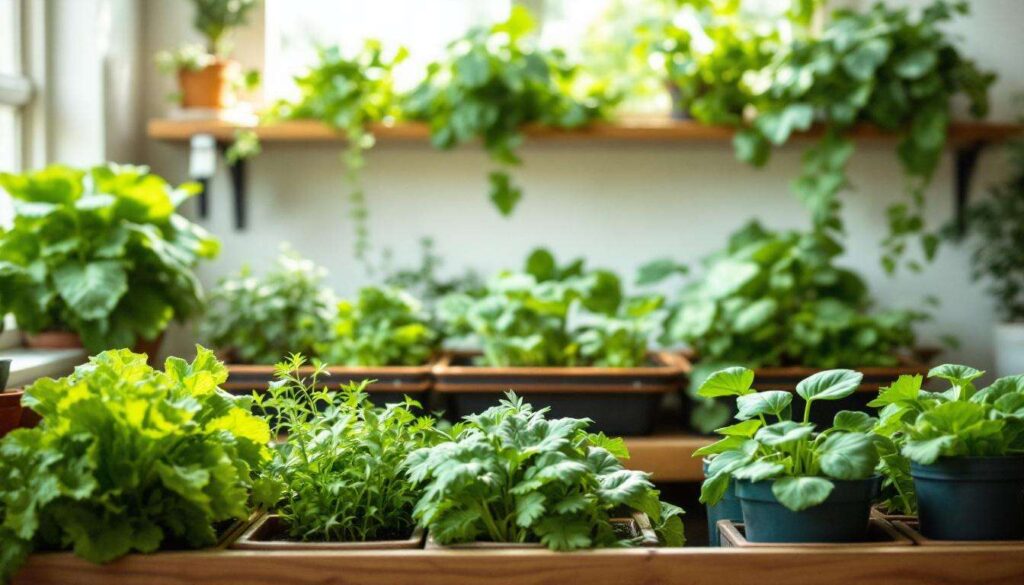
Growing fresh vegetables at home no longer requires a sprawling outdoor plot or favourable weather conditions. Indoor gardening has emerged as a practical solution for urban dwellers and those seeking year-round access to garden-fresh produce. With the right selection of crops, appropriate containers, and adequate lighting, transforming a kitchen corner or spare room into a productive growing space is entirely achievable. The following vegetables have proven particularly well-suited to indoor cultivation, offering reliable harvests regardless of the season outside.
Benefits of indoor gardening
Year-round fresh produce
One of the most compelling advantages of cultivating vegetables indoors is the ability to harvest fresh produce throughout the entire year. Traditional outdoor gardening remains subject to seasonal limitations, frost dates, and unpredictable weather patterns. Indoor environments eliminate these variables, allowing gardeners to maintain consistent growing conditions regardless of external temperatures. This continuity means salad greens in January and tomatoes in December become realistic possibilities rather than expensive supermarket luxuries.
Control over growing conditions
Indoor cultivation provides unprecedented control over the factors that influence plant health and productivity. Gardeners can regulate:
- Temperature stability, maintaining optimal ranges for specific crops
- Humidity levels, preventing both drought stress and fungal diseases
- Light duration and intensity through artificial supplementation
- Nutrient delivery via controlled fertilisation schedules
- Pest exposure, significantly reducing common garden nuisances
This level of environmental management typically results in healthier plants with more predictable yields compared to outdoor gardens where weather fluctuations and pest pressures constantly challenge cultivation efforts.
Health and sustainability advantages
Growing vegetables indoors supports both personal wellbeing and environmental responsibility. Home-grown produce travels mere metres from plant to plate, eliminating transportation emissions and plastic packaging. The nutritional value remains at peak levels since vegetables can be harvested at optimal ripeness rather than picked early for shipping durability. Additionally, indoor gardening provides therapeutic benefits, offering a calming activity that connects people with natural growth cycles even within urban environments.
These practical and environmental benefits establish a strong foundation for exploring which specific vegetables perform best in indoor settings.
Best plants for an indoor garden
Leafy greens and salad crops
Lettuce stands as perhaps the most beginner-friendly indoor vegetable, with varieties reaching harvest size within four to six weeks. Its shallow root system adapts well to containers, and the plant tolerates the lower light levels often found indoors. Loose-leaf varieties prove particularly productive, allowing continuous harvesting by removing outer leaves whilst the plant continues producing from the centre.
Spinach offers exceptional nutritional density alongside rapid growth rates. This iron-rich green thrives in cooler indoor temperatures, making it ideal for spaces that don’t receive intense heat. Regular harvesting encourages continued leaf production, and the tender young leaves excel in both raw and cooked applications.
Kale provides robust flavour and remarkable productivity in indoor environments. This hardy brassica tolerates cooler conditions and continues producing leaves for months when properly maintained. Its upright growth habit makes efficient use of vertical space, and the leaves become sweeter after light stress, making it surprisingly well-suited to indoor cultivation.
Quick-growing microgreens
Microgreens represent the fastest route from seed to harvest in indoor gardening, with many varieties ready within seven to fourteen days. These nutrient-dense seedlings pack concentrated flavours and vitamins into tiny leaves. Popular varieties include:
- Rocket, offering peppery intensity
- Basil, providing aromatic sweetness
- Cress, delivering sharp, mustard-like notes
- Radish, contributing spicy crunch
Their minimal space requirements and rapid turnover make microgreens ideal for continuous succession planting, ensuring a constant supply of fresh garnishes and salad components.
Fruiting vegetables for patient gardeners
Cherry tomatoes bring summer flavours indoors, though they demand more attention than leafy crops. Compact varieties bred specifically for container growing perform best, requiring sturdy support structures and consistent feeding schedules. The reward for this additional effort comes in the form of sweet, sun-warmed fruits that bear little resemblance to supermarket offerings.
Peppers, both sweet and hot varieties, adapt surprisingly well to indoor cultivation. Dwarf cultivars remain manageable in size whilst producing abundant crops. These plants require strong lighting and regular fertilisation but reward growers with colourful, vitamin-rich fruits that develop complex flavours as they ripen.
Root vegetables in containers
Though less commonly grown indoors, certain root crops succeed with appropriate containers. Radishes mature rapidly, often ready for harvest within three to four weeks, making them excellent confidence-builders for novice indoor gardeners. Their crisp texture and peppery bite add welcome variety to indoor harvests.
Carrots present more challenges but remain achievable with sufficiently deep containers. Shorter varieties bred for container growing eliminate the need for extensive root depth. Fresh-pulled carrots offer sweetness and crunch that deteriorates rapidly after harvest, making home-grown specimens particularly worthwhile.
| Vegetable | Days to harvest | Container depth required | Light requirements |
|---|---|---|---|
| Lettuce | 30-45 | 15-20 cm | Moderate |
| Spinach | 40-50 | 15-20 cm | Moderate |
| Microgreens | 7-14 | 5-8 cm | Moderate |
| Cherry tomatoes | 60-80 | 30-40 cm | High |
| Radishes | 25-30 | 15-20 cm | Moderate |
Understanding which vegetables suit indoor conditions establishes the crop selection, but success ultimately depends on proper cultivation techniques.
Tips for successful indoor gardening
Lighting strategies for healthy growth
Adequate illumination represents the single most critical factor in indoor vegetable production. Whilst south-facing windows provide valuable natural light, they rarely deliver sufficient intensity for fruiting crops during winter months. LED grow lights offer energy-efficient supplementation, with full-spectrum models mimicking natural sunlight most effectively. Position lights 15-30 centimetres above plant canopies, adjusting height as plants grow. Most vegetables require 12-16 hours of light daily, with timers ensuring consistency.
Watering practices that prevent problems
Indoor plants face unique watering challenges compared to outdoor gardens. Container-grown vegetables cannot access groundwater reserves, making them entirely dependent on regular irrigation. However, overwatering causes more indoor plant failures than underwatering. Proper technique involves:
- Checking soil moisture before watering by inserting a finger 2-3 cm deep
- Watering thoroughly until excess drains from container bottoms
- Ensuring containers have adequate drainage holes
- Adjusting frequency based on plant size, container material, and ambient humidity
- Using room-temperature water to avoid shocking root systems
Nutrition and fertilisation schedules
Container growing mediums contain limited nutrient reserves that plants quickly exhaust. Regular fertilisation becomes essential for sustained productivity. Liquid fertilisers offer precise control and rapid availability, with balanced formulations (such as 10-10-10 ratios) supporting general growth. Leafy crops benefit from higher nitrogen levels, whilst fruiting vegetables require increased phosphorus and potassium during flowering and fruit development. Apply diluted fertiliser every one to two weeks, following product recommendations to avoid nutrient burn.
Temperature and humidity management
Most vegetables prefer temperatures between 18-24°C, ranges typically comfortable for human occupants. However, heating systems can create excessively dry air that stresses plants. Grouping containers together creates beneficial microclimates through collective transpiration. Pebble trays filled with water beneath pots increase local humidity without waterlogging roots. Monitor conditions with simple hygrometers, aiming for 40-60% relative humidity for optimal plant health.
These fundamental techniques provide the knowledge base for productive cultivation, but spatial constraints often limit indoor growing potential.
How to maximise space in your indoor garden
Vertical growing systems
When floor space proves limited, thinking vertically unlocks significant additional capacity. Wall-mounted planters, hanging baskets, and tiered shelving systems transform unused vertical surfaces into productive growing areas. Climbing varieties of tomatoes and peppers naturally suit vertical training, whilst cascading plants like certain lettuce varieties create living walls. Purpose-built tower gardens stack multiple planting pockets vertically, dramatically increasing yield per square metre of floor space.
Succession planting strategies
Rather than sowing entire crops simultaneously, staggered planting schedules ensure continuous harvests whilst preventing gluts. Plant small quantities of fast-maturing crops like lettuce and radishes every two weeks. This approach maintains steady production without overwhelming kitchen capacity or allowing produce to deteriorate before use. As one planting reaches maturity, the next generation approaches harvest readiness, creating an efficient production cycle.
Companion planting in containers
Strategic combinations allow multiple crops to share containers without competition. Shallow-rooted herbs complement deeper-rooted vegetables, whilst fast-maturing crops can be interplanted with slower-growing species. For example, radishes harvested within a month can share space with peppers that require several months to mature. This intensive approach maximises productivity from limited container numbers whilst potentially providing pest-deterrent and growth-enhancing benefits through plant interactions.
Implementing these space-efficient techniques requires appropriate equipment and supplies to support plant health.
Essential tools for indoor growing
Container selection and preparation
Choosing appropriate containers significantly influences growing success. Options include:
- Plastic pots offering lightweight durability and moisture retention
- Terracotta providing breathability but requiring more frequent watering
- Fabric grow bags promoting excellent drainage and air pruning of roots
- Self-watering containers reducing maintenance for busy gardeners
Regardless of material, adequate drainage remains non-negotiable. Containers lacking drainage holes inevitably lead to waterlogged soil and root rot. Size matters equally, with insufficient volume restricting root development and limiting plant potential.
Growing medium considerations
Garden soil proves unsuitable for container cultivation due to poor drainage and potential pest introduction. Purpose-formulated potting mixes provide the light, well-draining structure indoor plants require. Quality mixes typically contain peat or coir for moisture retention, perlite or vermiculite for drainage, and compost for initial nutrition. Soilless mixes offer consistency and sterility, eliminating disease risks whilst providing excellent growing conditions.
Monitoring and maintenance equipment
Several inexpensive tools simplify indoor garden management. Moisture meters remove guesswork from watering decisions, whilst pH test kits ensure growing medium remains within optimal ranges. Small pruning scissors enable precise harvesting and plant maintenance. Spray bottles facilitate foliar feeding and humidity adjustment. A basic thermometer and hygrometer monitor environmental conditions, allowing timely interventions before stress affects plants.
Growing fresh vegetables indoors transforms living spaces into productive gardens that supply nutritious harvests throughout the year. The vegetables outlined here offer reliable performance for beginners whilst satisfying experienced gardeners seeking year-round production. Success stems from understanding each crop’s specific requirements, providing adequate lighting and nutrition, and managing water carefully to prevent common problems. Spatial constraints need not limit productivity when vertical growing and succession planting maximise available areas. With modest equipment investment and consistent attention, anyone can enjoy the satisfaction of garden-fresh produce regardless of outdoor conditions or available land.