



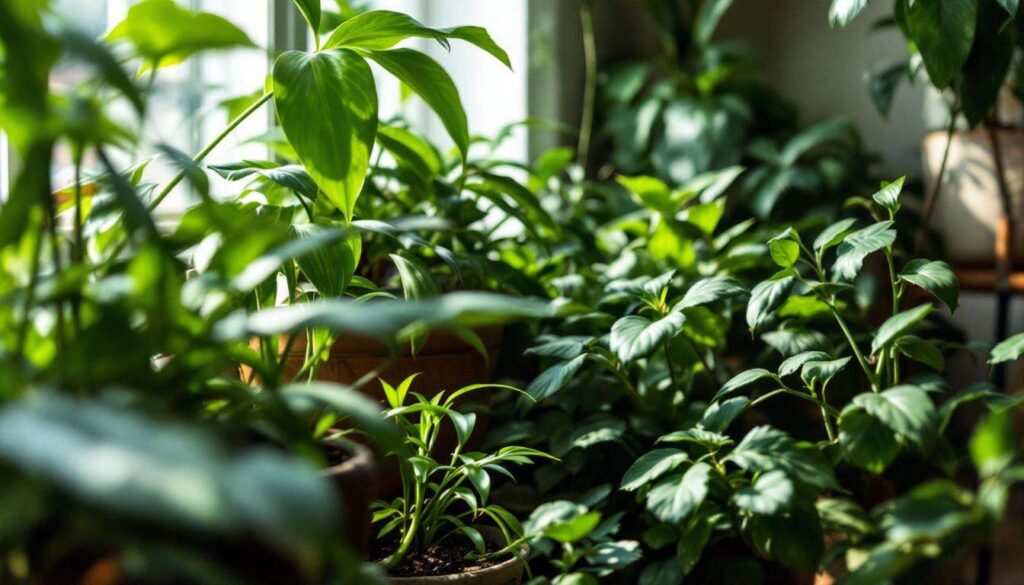
As the days grow shorter and the sun hangs lower in the sky, houseplants face a challenging period. Reduced daylight hours and weaker sunlight can slow growth, cause leggy stems, and even lead to leaf drop in some species. Yet with a few strategic adjustments to your plant care routine, you can help your green companions not just survive but remain vigorous throughout the darker months. These seven practical approaches will ensure your indoor garden stays healthy until longer, brighter days return.
Understanding your plants’ light needs
Recognising light requirements by species
Different houseplants have evolved in varied natural habitats, which means their light requirements differ considerably. Tropical rainforest floor dwellers such as Pothos and Philodendron naturally thrive in dappled, indirect light, making them more tolerant of winter’s reduced illumination. Conversely, succulents and cacti originating from arid regions demand bright, direct sunlight and may struggle significantly when daylight diminishes.
To assess whether your plants are receiving adequate light, observe their behaviour closely:
- Leaves turning pale or yellow may indicate insufficient light
- Leggy growth with elongated stems suggests the plant is stretching towards a light source
- Leaf drop, particularly of lower leaves, often signals light stress
- Slowed or halted growth is a natural response to reduced photosynthesis
Adapting expectations for winter dormancy
Many houseplants enter a period of semi-dormancy during winter months, a natural response to shorter days and cooler temperatures. During this time, growth slows or stops entirely, which is perfectly normal. Understanding this cycle helps you adjust care appropriately rather than attempting to force growth when plants are biologically programmed to rest. Accepting this seasonal rhythm prevents overwatering and overfeeding, which can harm plants more than the reduced light itself.
With a solid grasp of your plants’ individual needs and natural cycles, you can make informed decisions about where to position them for optimal winter survival.
Choosing optimal locations to maximise light
Strategic placement near windows
The most effective way to combat low winter light is to relocate plants closer to windows. South-facing windows in the Northern Hemisphere receive the most consistent light throughout winter, making them ideal for light-hungry species. However, even winter sun through glass can be surprisingly intense at midday, so monitor plants for signs of scorching on delicate foliage.
East and west-facing windows offer gentler morning or afternoon light respectively, suitable for plants preferring bright but indirect conditions. North-facing windows provide the lowest light levels, best reserved for shade-tolerant varieties or supplemented with artificial lighting.
Clearing obstacles and enhancing reflection
Ensure nothing blocks the light path between windows and your plants. Curtains, furniture, and even dirty windows can reduce available light by up to 50 per cent. Regular window cleaning, both inside and out, allows maximum light penetration. Additionally, positioning reflective surfaces such as mirrors or light-coloured walls near plants can bounce additional light onto foliage, effectively increasing the illumination they receive without any energy cost.
| Window orientation | Light intensity | Suitable plants |
|---|---|---|
| South-facing | High | Succulents, cacti, citrus |
| East/West-facing | Medium | Ferns, orchids, prayer plants |
| North-facing | Low | Snake plants, ZZ plants, pothos |
Once you’ve optimised natural light placement, you may find some plants still require additional support, which is where supplementary lighting becomes invaluable.
Boosting growth with artificial lighting
Selecting appropriate grow lights
Modern LED grow lights have revolutionised indoor plant care, offering energy-efficient solutions that emit minimal heat whilst providing the specific light spectrum plants need for photosynthesis. Full-spectrum bulbs mimic natural sunlight and are suitable for most houseplants, whilst some systems allow you to adjust the colour temperature to favour either vegetative growth or flowering.
When choosing grow lights, consider:
- Light intensity measured in lumens or PAR (photosynthetically active radiation)
- Coverage area to ensure all plants receive adequate illumination
- Adjustable height to accommodate plants of varying sizes
- Timer functionality to automate light cycles
Implementing effective lighting schedules
Most houseplants benefit from 10 to 12 hours of supplementary light daily during winter. Position lights approximately 15 to 30 centimetres above foliage, adjusting based on plant response. Too close and leaves may bleach or burn; too far and the light intensity becomes insufficient. Using a timer ensures consistency, which plants appreciate far more than irregular lighting patterns. Remember that artificial light supplements rather than replaces natural daylight, so maintain window placement alongside supplementary lighting for best results.
Whilst light is crucial, the atmosphere surrounding your plants also plays a significant role in their winter wellbeing.
Monitoring ambient air humidity
Understanding winter humidity challenges
Central heating systems, whilst keeping us comfortable, create desert-like conditions indoors, with relative humidity often dropping below 30 per cent. Most tropical houseplants prefer humidity levels between 40 and 60 per cent, and the dry air can cause brown leaf tips, crispy edges, and increased susceptibility to pests such as spider mites.
Practical humidity-boosting techniques
Several straightforward methods can raise humidity around your plants without requiring expensive equipment. Grouping plants together creates a microclimate where transpiration from multiple plants increases local humidity. Placing pots on trays filled with pebbles and water (ensuring the pot base sits above the waterline) allows evaporation to humidify the immediate area. For larger collections or particularly humidity-dependent species, a small humidifier positioned nearby provides consistent moisture in the air.
Regular misting offers temporary relief but evaporates quickly, so it’s less effective than sustained methods. Avoid misting plants with fuzzy leaves, as trapped moisture can encourage fungal issues.
Maintaining appropriate humidity works hand in hand with adjusting how much water you provide directly to the soil.
Adjusting watering based on winter conditions
Reducing watering frequency
The combination of reduced light, cooler temperatures, and slower growth means plants require significantly less water during winter. Overwatering becomes the primary killer of houseplants in cold months, as soggy soil combined with cool conditions creates perfect circumstances for root rot. Before watering, always check soil moisture by inserting your finger several centimetres into the compost; water only when the appropriate depth has dried out for that particular species.
Improving drainage and preventing waterlogging
Ensure all pots have adequate drainage holes and never allow plants to sit in water-filled saucers for extended periods. Empty saucers within 30 minutes of watering. If you notice water draining very slowly through the compost, the soil may have become compacted or the roots may have filled the pot, both situations requiring attention. Some plants, particularly succulents and cacti, may require watering only once monthly during the coldest, darkest weeks.
Just as watering needs decrease, so too does the requirement for nutrients during the dormant season.
Feeding sparingly during the cold season
Reducing fertiliser application
Since most houseplants experience slowed or halted growth in winter, they have minimal nutritional requirements during this period. Continuing to feed at spring and summer rates can lead to fertiliser salt build-up in the compost, potentially burning roots and causing leaf damage. As a general rule, reduce feeding frequency to once every six to eight weeks, or cease entirely for plants showing clear dormancy signs.
Choosing appropriate winter feeding strategies
If you do fertilise during winter, dilute liquid feeds to half the recommended strength. This gentler approach provides trace nutrients without overwhelming resting plants. Slow-release granular fertilisers should not be applied in autumn or winter, as they continue releasing nutrients regardless of whether plants can utilise them. Resume regular feeding schedules only when you observe new growth emerging, typically as daylight hours increase in late winter or early spring.
By implementing these seven strategies, your houseplants will remain healthy throughout winter’s challenges, maintaining their vitality and preparing for vigorous growth when spring arrives. Regular observation of your plants’ condition allows you to fine-tune these approaches to suit individual specimens and your specific home environment. The effort invested in winter care pays dividends in the form of robust, thriving plants that continue to enhance your living space year-round.