

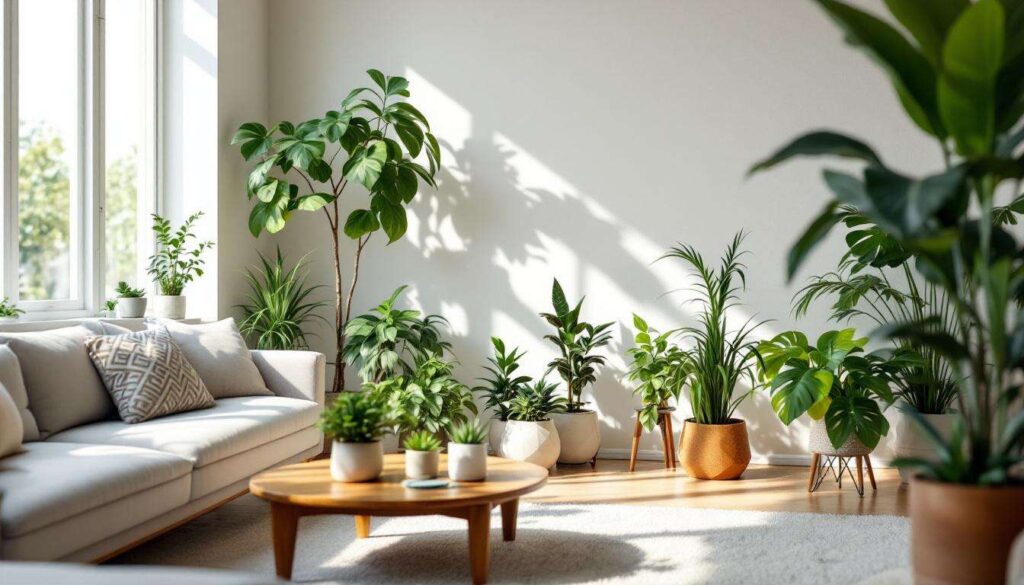
Interior design and personal wellbeing are increasingly intertwined with the natural world. Houseplants have evolved from simple decorative accents to essential elements that shape our living environments, purify our air, and enhance our mental health. The latest movements in indoor gardening reflect a sophisticated understanding of how greenery can transform spaces whilst addressing contemporary concerns about sustainability, accessibility, and aesthetic coherence. These emerging directions offer fresh perspectives for both seasoned plant enthusiasts and newcomers seeking to cultivate meaningful connections with nature within their homes.
Trendy jungle plants
The resurgence of bold tropical foliage
The jungle aesthetic continues to captivate interior designers and plant collectors alike, with an emphasis on species that deliver dramatic visual impact. Large-leafed varieties such as Monstera deliciosa and Philodendron gloriosum create architectural statements that anchor living spaces with their impressive scale and sculptural forms. These plants bring an element of the exotic indoors, transforming ordinary rooms into lush sanctuaries that evoke distant rainforests.
Layering for depth and texture
Creating authentic jungle environments requires thoughtful layering of plants at different heights and densities. This approach involves combining:
- Tall specimens like Ficus lyrata or bird of paradise to establish vertical presence
- Mid-level plants such as Calathea varieties for textural interest
- Trailing species including pothos and philodendrons to soften edges and fill gaps
- Ground-level ferns and peperomias to complete the understory effect
Humidity and care considerations
Many jungle plants thrive in elevated humidity levels, making them particularly suited to bathrooms, kitchens, or spaces equipped with humidifiers. The Boston fern exemplifies this preference, rewarding proper moisture levels with cascading fronds that soften any interior. Understanding these environmental needs ensures that tropical collections flourish rather than merely survive, creating the verdant displays that define this trend.
This movement towards abundant greenery naturally leads to questions about how we integrate plants more deliberately into our daily routines and spatial planning.
Intentional greenery
Strategic placement for maximum benefit
The concept of intentional greenery moves beyond random plant placement towards purposeful positioning that maximises both aesthetic and functional benefits. This approach considers factors such as natural light patterns, room usage, and the specific benefits each plant offers. The peace lily, renowned for its air-purifying qualities, becomes a deliberate choice for bedrooms or home offices where air quality directly impacts wellbeing and productivity.
Matching plants to lifestyle rhythms
Intentionality extends to selecting species that align with individual schedules and care capacities. Busy professionals might prioritise resilient varieties like snake plants or ZZ plants, whilst those with more time may cultivate demanding specimens such as African violets that reward attentive care with vibrant blooms. This mindful approach reduces plant mortality and increases satisfaction, as each specimen serves a clear purpose within the household ecosystem.
Biophilic design principles
Incorporating plants according to biophilic design principles acknowledges the innate human need for connection with nature. Research consistently demonstrates that proximity to greenery reduces stress, enhances cognitive function, and improves overall mood. By positioning plants where occupants spend significant time—near workstations, reading nooks, or dining areas—homes become therapeutic environments that actively contribute to mental and physical health.
As intentionality shapes plant selection and placement, it also influences broader considerations about the environmental footprint of indoor gardening practices.
Sustainable indoor growing
Eco-conscious sourcing and propagation
The shift towards sustainable indoor growing reflects heightened awareness of environmental impact across all consumer choices. Plant enthusiasts increasingly seek specimens from ethical nurseries that prioritise sustainable cultivation methods, avoid peat-based composts, and source materials responsibly. Propagation through cuttings and division has gained popularity as both an economical and environmentally sound alternative to constant purchasing, building communities around plant sharing and knowledge exchange.
Water conservation strategies
Water efficiency has become a central concern in plant care, with collectors adopting techniques that minimise waste:
- Self-watering containers that deliver moisture directly to root systems
- Mulching with sustainable materials to reduce evaporation
- Collecting and reusing greywater where appropriate
- Selecting drought-tolerant species such as succulents and cacti
Organic care and natural pest management
Chemical fertilisers and pesticides are falling out of favour as growers embrace organic alternatives that protect both household health and the broader environment. Neem oil, insecticidal soaps, and companion planting strategies offer effective pest control without introducing toxins into living spaces. Compost teas and worm castings provide nutrient-rich feeding options that support robust plant growth whilst maintaining ecological integrity.
| Conventional approach | Sustainable alternative |
|---|---|
| Peat-based compost | Coconut coir or composted bark |
| Plastic nursery pots | Biodegradable containers or ceramic vessels |
| Chemical fertilisers | Organic compost and natural amendments |
These sustainable practices align perfectly with the desire for plants that deliver beauty without demanding excessive resources or maintenance.
Luxury and minimal upkeep
High-impact species with low demands
The convergence of luxury aesthetics and minimal maintenance represents a significant trend for time-conscious plant lovers. Species such as Hoya Sunrise exemplify this balance, offering striking variegated foliage in shades of pink and rust whilst tolerating occasional neglect. These plants cater to those who appreciate botanical beauty but lack the time or inclination for intensive care routines.
Statement plants that simplify
Large, architecturally significant specimens create instant impact with minimal effort. A single well-chosen plant—perhaps a mature rubber tree or an elegant dracaena—can anchor an entire room, eliminating the need for multiple smaller plants and the associated maintenance burden. This less-is-more philosophy appeals to minimalist sensibilities whilst delivering the biophilic benefits that make houseplants desirable.
Premium containers and self-care systems
Investment in quality vessels and automated care systems elevates plant keeping to a luxurious experience. Self-watering planters with moisture indicators, elegant ceramic pots with integrated drainage, and sophisticated grow lights disguised as design objects transform plant care from chore to pleasure. These innovations make it possible to maintain impressive indoor gardens without constant vigilance or expertise.
The emphasis on effortless elegance extends naturally into creative displays that transform plants into living artworks.
Wall plant art
Vertical gardens as focal points
Wall-mounted installations have emerged as compelling alternatives to traditional framed artwork, bringing dynamic, living elements to vertical surfaces. Modular systems allow for customisable arrangements of plants such as string of nickels, whose cascading coin-shaped leaves create mesmerising patterns. These installations maximise limited floor space whilst making bold design statements that evolve as plants grow and change seasonally.
Framed botanical displays
Smaller-scale wall art incorporates plants into shadow boxes, floating frames, or mounted kokedama (moss balls). Streptocarpella, with its trailing purple flowers, works beautifully in these contexts, adding colour and movement to wall compositions. These displays blur the boundaries between horticulture and fine art, appealing to those who view plant cultivation as a creative practice rather than simply a hobby.
Practical considerations for vertical growing
Successful wall plant art requires attention to specific factors:
- Adequate lighting, often supplemented with discreet grow lights
- Proper irrigation systems that prevent wall damage
- Selection of species suited to vertical orientation
- Regular maintenance access for pruning and care
These innovative display methods complement the growing interest in acquiring rare and distinctive specimens.
Collectible houseplants
The rise of plant connoisseurship
Houseplant collecting has evolved into a sophisticated pursuit, with enthusiasts seeking rare cultivars and unusual varieties that distinguish their collections. Limited-edition releases, variegated mutations, and species with unique characteristics command premium prices and passionate followings. This trend mirrors collecting behaviours in other domains, where rarity, provenance, and aesthetic distinction drive acquisition decisions.
Community and knowledge sharing
The collectible plant movement thrives on community engagement, with enthusiasts connecting through specialist forums, social media groups, and plant swap events. This collaborative culture facilitates knowledge exchange about care techniques, propagation methods, and sourcing opportunities. Collectors develop expertise in specific genera, becoming authorities on particular plant families whilst contributing to broader horticultural understanding.
Investment and appreciation
Certain rare plants have demonstrated remarkable value appreciation, though collecting should primarily stem from genuine appreciation rather than purely financial motives. Well-maintained specimens of sought-after varieties can indeed increase in value, particularly as they mature and produce offsets for propagation. This economic dimension adds another layer of interest to the hobby, though the primary rewards remain aesthetic pleasure and the satisfaction of successful cultivation.
Indoor gardening continues to evolve, shaped by environmental awareness, design innovation, and deepening appreciation for the multifaceted benefits plants bring to domestic spaces. From dramatic jungle displays to curated collections of rare specimens, these trends reflect diverse approaches to integrating nature into modern living. Whether prioritising sustainability, seeking low-maintenance luxury, or exploring creative display methods, plant enthusiasts have unprecedented opportunities to cultivate meaningful, beautiful relationships with the botanical world within their own homes.