



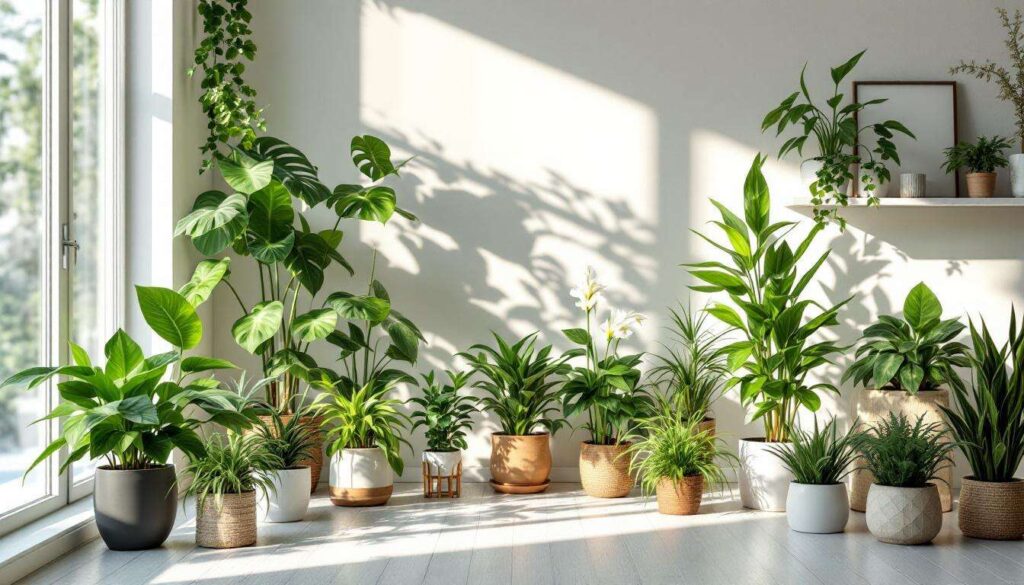
Indoor air pollution has become a pressing concern for households across the United Kingdom and beyond. Research indicates that the air circulating within our homes can contain concentrations of pollutants significantly higher than those found outdoors, with some estimates suggesting levels up to ten times greater. These contaminants originate from everyday items including cleaning agents, synthetic furniture, paints, and building materials. Fortunately, nature offers an elegant solution: certain houseplants possess remarkable abilities to filter and neutralise harmful substances, transforming our living spaces into healthier environments whilst adding aesthetic appeal.
The best air-purifying plants for your home
Top performers for toxin removal
Selecting the right plants for your home requires understanding which species offer the most effective air purification. The following seventeen plants have demonstrated exceptional capabilities in removing airborne pollutants:
- Golden pothos (Epipremnum aureum): thrives in low light conditions and effectively removes formaldehyde, benzene, and carbon monoxide
- Snake plant (Dracaena trifasciata): converts carbon dioxide to oxygen at night, making it ideal for bedrooms
- Spider plant (Chlorophytum comosum): removes formaldehyde and xylene whilst being safe for pets
- Peace lily (Spathiphyllum): filters ammonia, benzene, formaldehyde, and trichloroethylene
- Boston fern (Nephrolepis exaltata): excels at removing formaldehyde and acts as a natural humidifier
- English ivy (Hedera helix): particularly effective against airborne mould particles
- Bamboo palm (Chamaedorea seifrizii): filters formaldehyde and adds tropical elegance
- Rubber plant (Ficus elastica): removes formaldehyde from indoor air
- Dracaena marginata: targets benzene, formaldehyde, and trichloroethylene
- Aloe vera: monitors air quality and removes formaldehyde
- Areca palm (Chrysalidocarpus lutescens): one of the most efficient air purifiers
- Gerbera daisy (Gerbera jamesonii): removes benzene and improves sleep quality
- Chrysanthemum (Chrysanthemum morifolium): filters ammonia and benzene
- Weeping fig (Ficus benjamina): effective against formaldehyde, benzene, and trichloroethylene
- Azalea (Rhododendron simsii): combats formaldehyde from plywood and insulation
- Philodendron: removes formaldehyde efficiently
- Chinese evergreen (Aglaonema): filters multiple toxins and tolerates low light
Matching plants to room conditions
Different rooms present varying environmental conditions that influence plant selection. Bathrooms with high humidity suit ferns and peace lilies, whilst bedrooms benefit from snake plants due to their nocturnal oxygen production. Living areas with moderate light accommodate most species, whereas offices with artificial lighting require hardy varieties like pothos or Chinese evergreen.
Understanding these botanical solutions provides a foundation for exploring the scientific rationale behind incorporating greenery into our homes.
Why choose purifying plants
Natural and sustainable filtration
Unlike mechanical air purifiers that consume electricity and require filter replacements, houseplants offer a sustainable and cost-effective alternative. They function continuously without maintenance costs beyond basic watering and occasional fertilisation. This natural approach eliminates the environmental impact associated with manufacturing and disposing of electronic devices.
Multiple environmental benefits
Beyond toxin removal, purifying plants deliver several additional advantages:
- Increased humidity levels through transpiration, combating dry indoor air
- Oxygen production during photosynthesis, improving air freshness
- Temperature regulation through evaporative cooling
- Noise reduction in urban environments
- Enhanced aesthetic appeal and biophilic connection
Economic considerations
| Solution | Initial cost | Annual running cost | Lifespan |
|---|---|---|---|
| Mechanical air purifier | £100-£500 | £50-£150 | 5-10 years |
| Houseplants (collection of 5) | £25-£75 | £10-£20 | Indefinite with care |
The financial advantages become apparent when comparing long-term expenses, with plants representing a fraction of the cost associated with mechanical alternatives.
These practical considerations complement the measurable health improvements that plants bring to indoor environments.
The benefits of plants on air quality
Quantifiable health improvements
Scientific studies have documented tangible health benefits associated with improved indoor air quality through plant integration. Research indicates that environments containing adequate plant coverage experience reduced incidences of headaches, respiratory irritation, and fatigue. Occupants report enhanced concentration, productivity, and overall wellbeing.
Toxin reduction mechanisms
Plants purify air through several biological processes. Leaves absorb gaseous pollutants through stomata, whilst root microorganisms break down organic compounds. Soil microbes metabolise volatile organic compounds (VOCs), transforming harmful substances into nutrients. This symbiotic relationship between plant and soil creates a comprehensive filtration system.
Common indoor pollutants targeted
- Formaldehyde: found in pressed wood products, carpets, and upholstery
- Benzene: present in plastics, synthetic fibres, and detergents
- Trichloroethylene: used in adhesives and paint removers
- Xylene: contained in printing inks and leather products
- Ammonia: found in cleaning products and floor waxes
Psychological and emotional benefits
Beyond physical health improvements, plants contribute to mental wellbeing. Studies demonstrate that indoor greenery reduces stress levels, lowers blood pressure, and promotes feelings of calm. The act of caring for plants provides therapeutic value, creating mindful routines that enhance quality of life.
These documented benefits align with findings from authoritative research conducted by space agencies exploring life support systems.
Top 5 plants recommended by NASA
The landmark clean air study
The 1989 research conducted by the space agency investigated botanical air filtration for sealed environments. Scientists tested numerous species to identify the most effective natural air purifiers, establishing benchmark data that remains influential today.
The elite five performers
1. Areca palm (Chrysalidocarpus lutescens): this Madagascar native topped rankings for overall air purification efficiency. It excels at removing all tested toxins whilst adding moisture to dry environments. Requires bright, indirect light and regular watering.
2. Lady palm (Rhapis excelsa): demonstrating remarkable resilience, this species tolerates low light and neglect whilst maintaining excellent filtration capabilities. Particularly effective against ammonia, making it ideal for bathrooms and kitchens.
3. Bamboo palm (Chamaedorea seifrizii): rated highly for formaldehyde removal, this graceful palm thrives in indirect light. Its tropical appearance and robust air-cleaning properties make it suitable for living areas.
4. Rubber plant (Ficus elastica): requiring minimal maintenance, this hardy species effectively removes formaldehyde. Its broad leaves provide substantial surface area for toxin absorption. Prefers bright, indirect light but adapts to various conditions.
5. Dracaena varieties: multiple species within this genus demonstrated exceptional performance. Dracaena marginata, Dracaena fragrans, and Dracaena deremensis all effectively filter benzene, formaldehyde, and trichloroethylene whilst tolerating low light conditions.
Implementing research findings
The study recommended one plant per 10 square metres of floor space for optimal air purification. Larger specimens provide greater filtration capacity than smaller plants, making mature specimens more effective investments.
Successfully maintaining these botanical air filters requires understanding their specific care requirements.
Tips for maintaining your houseplants
Essential care fundamentals
Proper maintenance ensures plants remain healthy and effective air purifiers. Understanding basic requirements prevents common problems:
- Lighting: assess available natural light and select appropriate species; rotate plants quarterly for even growth
- Watering: allow soil to dry partially between waterings; overwatering causes more problems than underwatering
- Humidity: mist tropical species regularly or use pebble trays filled with water
- Temperature: maintain consistent temperatures between 15-24°C; avoid placing plants near radiators or draughty windows
- Feeding: apply diluted liquid fertiliser monthly during growing season (spring and summer)
Cleaning and grooming
Dust accumulation on leaves reduces photosynthetic efficiency and toxin absorption. Wipe foliage monthly with a damp cloth, supporting leaves from beneath to prevent damage. Remove dead or yellowing leaves promptly to maintain plant vigour and appearance.
Repotting and soil management
Plants require repotting every 1-3 years depending on growth rate. Signs indicating repotting necessity include roots emerging from drainage holes, water running straight through pots, or stunted growth. Use quality potting compost with adequate drainage properties.
Pest management
Common houseplant pests include aphids, spider mites, and mealybugs. Inspect plants regularly, particularly leaf undersides. Address infestations promptly using natural solutions such as insecticidal soap or neem oil rather than synthetic pesticides that introduce additional toxins.
Safety considerations
Several effective air-purifying plants pose toxicity risks to pets and children. Peace lilies, philodendrons, and dieffenbachia contain compounds causing irritation if ingested. Position potentially harmful species beyond reach or select pet-safe alternatives like spider plants, Boston ferns, or areca palms.
Integrating air-purifying plants into your home represents a practical step towards healthier indoor environments. The seventeen species highlighted offer proven capabilities for removing common household toxins whilst providing aesthetic and psychological benefits. Research validates their effectiveness, with certain varieties demonstrating remarkable filtration properties in controlled studies. By selecting appropriate species for your specific conditions and providing basic care, you can harness nature’s air purification systems year-round. This natural approach complements modern living, creating spaces that support both physical health and mental wellbeing through the simple presence of thriving greenery.