
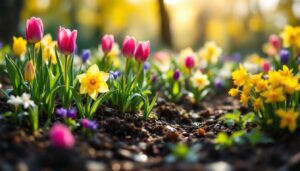


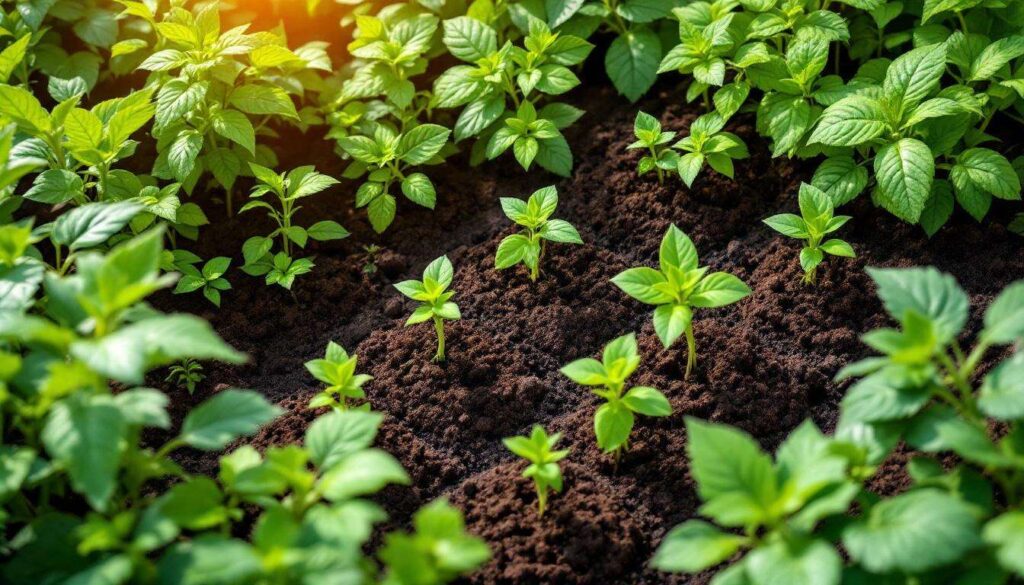
Reusing last season’s potting compost might seem counterintuitive to achieving a thriving container garden, yet numerous hardy plants can flourish in these conditions. Rather than discarding old growing medium, savvy gardeners are discovering that certain resilient species actually prefer less nutrient-dense environments. This approach not only reduces waste but also saves money whilst maintaining an attractive display throughout the seasons.
The benefits of container gardening
Flexibility and space efficiency
Container gardening offers unparalleled versatility for gardeners working with limited outdoor space. Whether you have a small balcony, patio or courtyard, pots and planters allow you to cultivate a diverse range of plants without requiring traditional garden beds. This method enables you to rearrange your display according to seasonal changes or aesthetic preferences, creating focal points wherever needed.
Soil and drainage control
Growing plants in containers provides precise control over growing conditions. You can tailor the soil mixture to suit specific plant requirements, and drainage is typically superior to in-ground planting. This controlled environment proves particularly beneficial for plants that demand specific pH levels or moisture conditions. Additionally, containers help prevent the spread of soil-borne diseases and reduce competition from aggressive weeds.
Accessibility advantages
Container gardening makes cultivation accessible to those with mobility challenges or physical limitations. Raised pots eliminate the need for bending or kneeling, whilst the ability to position containers at convenient heights transforms gardening into a comfortable activity for all ages and abilities.
Understanding these advantages naturally leads to exploring which plants can thrive even when the growing medium has been previously used.
Perennials suited for used soils
Low-nutrient requirements
Certain perennials have evolved to survive in nutrient-poor environments, making them excellent candidates for old potting soil. These plants typically originate from rocky or sandy habitats where soil fertility is naturally limited. Their root systems have adapted to extract maximum benefit from minimal resources, allowing them to flourish where other plants might struggle.
Recommended perennial varieties
Several perennial species demonstrate exceptional tolerance for depleted growing media:
- Sedums : these succulent perennials store water in their fleshy leaves and require minimal feeding
- Sempervivums : commonly known as houseleeks, they thrive in poor soil conditions
- Echinacea : once established, these coneflowers tolerate lean soils remarkably well
- Lavender : prefers well-drained, less fertile conditions that prevent excessive leaf growth
- Thyme : this aromatic herb actually produces stronger fragrance in nutrient-poor substrates
Long-term performance benefits
Perennials grown in used soil often develop stronger root systems as they search for nutrients throughout the container. This enhanced root development contributes to improved drought tolerance and overall plant resilience. Furthermore, slower growth rates in less fertile soil can result in more compact, manageable plants that require less frequent pruning.
Beyond perennials, specific hardy plants demonstrate remarkable adaptability to recycled growing media.
The best hardy plants for repotting
Yucca varieties for containers
Yucca species represent outstanding choices for old potting soil due to their desert origins. These architectural plants feature sword-shaped leaves and require minimal nutrients to maintain their dramatic appearance. Their drought tolerance and ability to withstand neglect make them virtually indestructible in container settings, even when the growing medium has been previously utilised.
Boxwood cultivars
Boxwood shrubs adapt remarkably well to container cultivation in used compost. These evergreen plants maintain their year-round colour and formal appearance with minimal feeding requirements. They respond well to pruning and shaping, creating structured elements in container displays whilst tolerating the reduced fertility of recycled growing media.
Trailing and cascading plants
Creeping Jenny and similar trailing species provide excellent coverage for pot edges whilst thriving in depleted soil:
- Vinca minor : this evergreen ground cover produces delicate flowers and tolerates poor conditions
- Ivy varieties : extremely hardy and adaptable to various soil qualities
- Ajuga reptans : offers colourful foliage and spring flowers with minimal nutritional demands
| Plant type | Sunlight needs | Water requirements | Soil tolerance |
|---|---|---|---|
| Yucca | Full sun | Low | Excellent |
| Boxwood | Partial shade | Moderate | Very good |
| Creeping Jenny | Sun to shade | Moderate | Good |
These hardy selections share characteristics with another group of plants particularly suited to recycled compost.
Mediterranean plants: an ideal choice
Natural adaptation to lean soils
Mediterranean species have evolved in environments where soil fertility is naturally low and rainfall is scarce. These conditions mirror those found in used potting compost, making such plants perfectly suited to recycled growing media. Their adaptations include deep root systems, drought-resistant foliage and efficient nutrient uptake mechanisms.
Top Mediterranean container plants
Several Mediterranean species excel in containers filled with old potting soil:
- Rosemary : this aromatic herb actually produces more concentrated oils in poor soil
- Sage varieties : ornamental and culinary types thrive with minimal feeding
- Santolina : silver-leaved shrubs that prefer lean, well-drained conditions
- Rock roses (Cistus) : produce abundant flowers despite nutrient scarcity
- Oregano : develops stronger flavour when grown in less fertile substrates
Cultivation advantages
Growing Mediterranean plants in used compost offers multiple benefits beyond waste reduction. These species typically require less frequent watering, reducing maintenance demands. Their compact growth habit in nutrient-poor soil creates attractive, manageable specimens that fit well in container arrangements. Additionally, many Mediterranean plants release aromatic compounds that intensify when grown in challenging conditions.
Maximising success with recycled compost requires understanding certain enhancement techniques.
Tips for optimising the use of used soil
Refreshing old compost
Whilst hardy plants tolerate depleted soil, simple amendments can significantly improve performance. Mixing in approximately 25 per cent fresh compost revitalises the growing medium without completely replacing it. Adding perlite or grit improves drainage and prevents compaction, which commonly develops in previously used substrates.
Nutrient supplementation strategies
Even hardy plants benefit from occasional feeding when grown in recycled compost:
- Apply slow-release fertiliser at half the recommended rate during spring
- Incorporate well-rotted compost as a top dressing annually
- Use liquid seaweed solutions monthly during the growing season
- Add worm castings to provide gentle, sustained nutrition
Disease prevention measures
Old potting soil may harbour pathogens or pest eggs from previous plantings. Sterilising the compost through solarisation or heat treatment eliminates these risks. Alternatively, mixing in biochar or composted bark provides beneficial microorganisms that suppress disease whilst improving soil structure.
| Amendment type | Quantity per 10 litres | Primary benefit |
|---|---|---|
| Fresh compost | 2.5 litres | Nutrient boost |
| Perlite | 1 litre | Drainage improvement |
| Worm castings | 500ml | Gentle feeding |
These optimisation techniques prove equally valuable when selecting plants for indoor cultivation.
Selection of robust and durable indoor plants
Low-maintenance houseplants
Certain indoor plants demonstrate exceptional tolerance for old potting compost, making them ideal for sustainable container gardening indoors. Snake plants and ZZ plants possess remarkable resilience, surviving in depleted soil for extended periods. These species have adapted to store nutrients efficiently and tolerate irregular watering schedules.
Suitable indoor varieties
The following houseplants thrive in recycled growing media:
- Pothos : vigorous growth even in nutrient-poor conditions
- Spider plants : produce numerous offsets with minimal feeding
- Cast iron plant : virtually indestructible in challenging environments
- Dracaena species : slow-growing plants with modest nutritional needs
- Philodendron varieties : adaptable to various soil conditions
Indoor cultivation considerations
When growing houseplants in used compost, monitoring moisture levels becomes particularly important. Old potting soil may develop hydrophobic properties or compaction issues that affect water distribution. Regular checking ensures plants receive adequate hydration without waterlogging. Additionally, rotating containers periodically promotes even growth and prevents root binding in depleted substrates.
Container gardening with recycled potting soil represents an environmentally conscious approach that delivers impressive results when matched with appropriate plant selections. Hardy perennials, Mediterranean species and resilient houseplants all demonstrate the ability to flourish in less than ideal growing conditions. By implementing simple soil enhancement techniques and choosing naturally adapted varieties, gardeners can create vibrant displays whilst reducing waste and costs. This sustainable practice proves that successful cultivation need not depend on pristine growing media, instead relying on selecting plants whose natural characteristics align with available resources.