



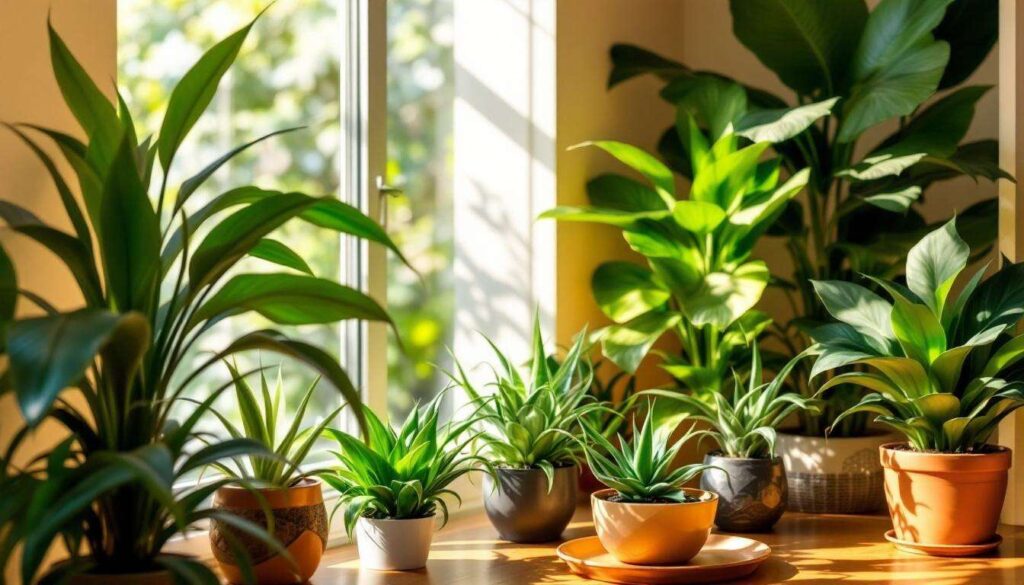
Maintaining a lush indoor garden during sweltering summer months presents unique challenges for plant enthusiasts. Whilst many species struggle under intense heat and bright sunlight, a select group of resilient varieties not only survive but actively flourish in these demanding conditions. Understanding which plants possess natural adaptations to withstand elevated temperatures transforms the task of indoor gardening from a precarious balancing act into an enjoyable pursuit. These heat-tolerant specimens offer practical solutions for south-facing windows, conservatories, and warm living spaces where temperatures regularly climb above comfortable levels.
The best indoor plants to withstand heat
Cacti: masters of arid conditions
Cacti represent the quintessential heat-resistant houseplants, having evolved over millennia in some of the planet’s harshest desert environments. Their water-storing capabilities and minimal transpiration rates make them exceptionally suited to warm indoor spaces. Species such as the barrel cactus and prickly pear thrive in direct sunlight and tolerate temperatures exceeding 30°C without distress.
| Cactus variety | Maximum tolerated temperature | Watering frequency |
|---|---|---|
| Barrel cactus | 38°C | Every 3-4 weeks |
| Prickly pear | 40°C | Every 2-3 weeks |
| Christmas cactus | 32°C | Weekly during growth |
Aloe vera: medicinal and heat-loving
Beyond its renowned healing properties, aloe vera demonstrates remarkable heat tolerance. This succulent stores water in its thick, fleshy leaves, allowing it to withstand prolonged periods of warmth and drought. Positioned in bright, indirect light, aloe vera flourishes in temperatures ranging from 24°C to 32°C. The plant requires well-draining soil and infrequent watering, making it ideal for forgetful gardeners or those with demanding schedules.
Snake plant: the indestructible choice
Sansevieria, commonly known as snake plant or mother-in-law’s tongue, ranks amongst the most resilient houseplants available. Its vertical, sword-shaped leaves contain moisture reserves that sustain the plant through extended heat waves. Key advantages include:
- Tolerance of temperatures up to 35°C
- Ability to purify indoor air by removing toxins
- Minimal watering requirements (once monthly suffices)
- Adaptability to various light conditions from low to bright
These characteristics establish snake plants as perfect candidates for hot offices, sun-drenched flats, and conservatories where other species might wilt. Beyond individual specimens, understanding which categories of plants naturally adapt to warmth helps broaden selection possibilities.
Plants suited for high temperatures
ZZ plant: glossy resilience
Zamioculcas zamiifolia, abbreviated to ZZ plant, features glossy, dark green foliage that adds architectural interest to any interior. This African native possesses underground rhizomes that store water, enabling survival during heat stress. The ZZ plant tolerates temperatures reaching 32°C whilst maintaining its lustrous appearance, requiring watering only when the soil completely dries out.
Jade plant: prosperity and endurance
Crassula ovata, the jade plant, combines ornamental appeal with exceptional heat tolerance. Its thick, rounded leaves retain moisture efficiently, whilst the plant’s compact growth habit suits windowsills and shelving. Jade plants prefer:
- Bright, direct sunlight for several hours daily
- Temperatures between 18°C and 30°C
- Sparse watering during summer months
- Well-draining cactus or succulent compost
Traditional beliefs associate jade plants with financial prosperity, adding symbolic value to their practical heat resistance.
Pothos: versatile trailing beauty
Epipremnum aureum, commonly called pothos or devil’s ivy, demonstrates remarkable adaptability to warm conditions. This trailing vine tolerates temperatures up to 30°C whilst maintaining vigorous growth. Its heart-shaped leaves come in various patterns including golden, marble, and neon varieties. Pothos excels in humid, warm environments such as bathrooms and kitchens, where it purifies air whilst cascading elegantly from hanging baskets or shelves.
Selecting appropriate species represents only half the equation; creating optimal growing conditions ensures these plants truly flourish rather than merely survive.
Plants that thrive in a heated environment
Dracaena: architectural elegance
Dracaena species bring tropical sophistication to heated indoor spaces. Varieties such as Dracaena marginata and Dracaena fragrans tolerate temperatures between 24°C and 32°C whilst developing striking foliage patterns. These plants prefer bright, indirect light but adapt to partial shade, making them versatile choices for various room orientations.
Air plants: soil-free wonders
Tillandsia species, collectively known as air plants, represent fascinating specimens that absorb moisture and nutrients directly from the atmosphere. These epiphytic wonders thrive in warm, humid conditions between 22°C and 32°C. Care requirements include:
- Misting two to three times weekly
- Weekly soaking for 20-30 minutes
- Bright, filtered light exposure
- Good air circulation to prevent rot
Hibiscus: tropical flowering spectacle
Whilst typically considered an outdoor plant, hibiscus adapts remarkably well to indoor cultivation in heated conservatories and bright rooms. These flowering beauties demand temperatures above 18°C and flourish in warmth reaching 30°C. With adequate light, hibiscus produces spectacular blooms in shades of red, pink, orange, and yellow throughout the growing season.
Acquiring heat-tolerant plants proves futile without understanding proper maintenance techniques that maximise their natural resilience.
Tips for caring for heat-resistant plants
Watering strategies during hot periods
Despite their heat tolerance, these plants require adjusted watering regimes during particularly warm spells. The key involves monitoring soil moisture rather than adhering to rigid schedules. Insert a finger two centimetres into the soil; if dry, water thoroughly until excess drains from the pot. For succulents and cacti, allow complete soil drying between waterings to prevent root rot, which remains a greater threat than underwatering.
Light management and positioning
Even heat-loving plants can suffer from excessive direct sunlight during peak summer hours. Consider these positioning strategies:
- Place plants 30-60 centimetres back from south-facing windows
- Use sheer curtains to diffuse intense afternoon sun
- Rotate plants weekly to ensure even growth
- Monitor leaves for brown, crispy edges indicating sunburn
Humidity and air circulation
Whilst heat-tolerant plants withstand elevated temperatures, adequate air circulation prevents fungal issues and pest infestations. Open windows during cooler morning hours, or employ oscillating fans to maintain airflow. For species preferring humidity, such as Boston ferns, group plants together or place trays filled with pebbles and water beneath pots to increase local moisture levels.
Feeding during active growth
Heat-resistant plants often exhibit vigorous growth during warm months, necessitating appropriate nutrition. Apply diluted liquid fertiliser at half the recommended strength every two to three weeks during the growing season. Succulents and cacti require less frequent feeding, approximately monthly, using specialised cactus fertiliser formulations.
Understanding proper care techniques naturally leads to appreciating the broader advantages these resilient specimens offer beyond mere survival.
Benefits of heat-resistant indoor plants
Reduced maintenance demands
Heat-tolerant plants typically require less intervention than their delicate counterparts. Their natural adaptations to challenging conditions translate into fewer watering sessions, reduced susceptibility to temperature fluctuations, and greater forgiveness of occasional neglect. This characteristic proves invaluable for busy professionals, frequent travellers, or novice gardeners building confidence.
Air purification capabilities
Many heat-resistant species actively improve indoor air quality by removing volatile organic compounds and producing oxygen. Snake plants, pothos, and dracaena varieties feature prominently in studies demonstrating effective toxin removal. These plants continue their purifying functions even during hot periods when windows remain closed and air conditioning systems recirculate stale air.
Year-round aesthetic appeal
Unlike seasonal plants requiring replacement, heat-tolerant specimens maintain their visual impact throughout the year. Their consistent appearance provides:
- Reliable structural elements in interior design schemes
- Evergreen foliage that brightens spaces during grey winter months
- Low-cost, long-term decorative solutions
- Opportunities for propagation and collection expansion
Cost-effectiveness and sustainability
Investing in resilient, heat-tolerant plants proves economically sensible over time. These species survive for years or decades with proper care, eliminating the need for frequent replacements. Their minimal water requirements contribute to reduced utility costs and environmental conservation, whilst their hardiness means fewer resources spent on specialised growing equipment or climate control adjustments.
Creating a thriving indoor garden in warm conditions becomes achievable when selecting appropriate species and implementing suitable care practices. Heat-resistant plants offer practical solutions for challenging environments whilst delivering aesthetic pleasure, air purification benefits, and sustainable, low-maintenance greenery. From architectural succulents to trailing vines, these resilient specimens prove that elevated temperatures need not limit horticultural ambitions. Their natural adaptations transform potential obstacles into opportunities for cultivating diverse, vibrant collections that flourish regardless of seasonal temperature fluctuations.