



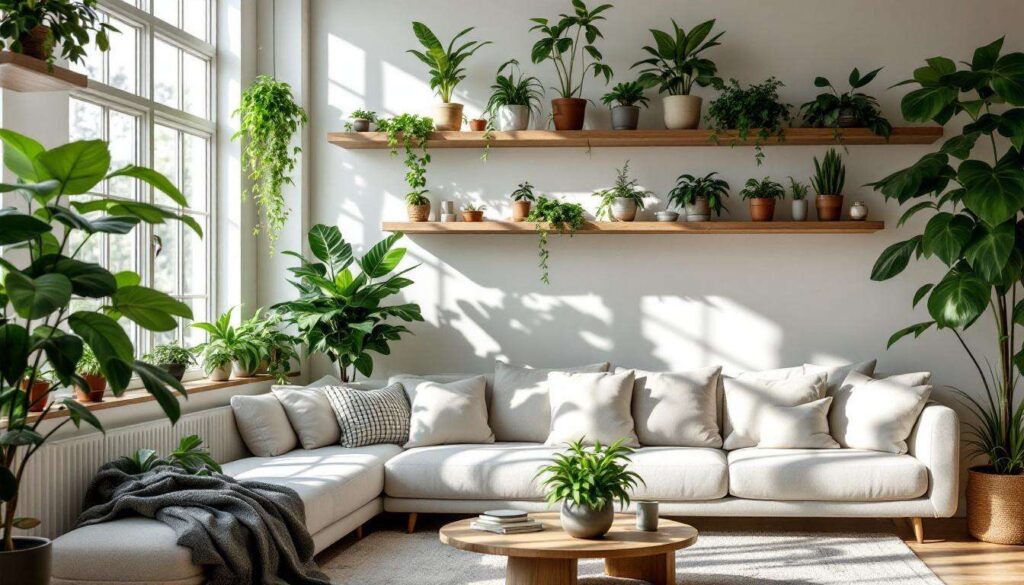
Bringing greenery into your home doesn’t have to be a time-consuming endeavour. For those juggling busy schedules or lacking a natural green thumb, selecting the right houseplants can transform living spaces without demanding constant attention. These fast-growing varieties not only flourish with minimal intervention but also enhance indoor air quality whilst adding visual appeal to any room. From trailing vines to striking architectural specimens, the following plants offer effortless beauty and rapid growth that rewards even the most forgetful plant parent.
Fast-growing houseplants
Understanding rapid growth in indoor plants
Fast-growing houseplants are characterised by their ability to produce new foliage, stems and roots at an accelerated pace compared to slower-growing varieties. These plants typically exhibit visible growth within weeks rather than months, making them particularly satisfying for those seeking quick results. The growth rate depends on several factors including light availability, temperature, humidity and nutrient supply.
Benefits of choosing fast-growing varieties
Opting for rapidly developing plants offers numerous advantages beyond mere aesthetics. These specimens provide immediate gratification as you witness tangible progress, which can be especially encouraging for novice gardeners. Additionally, many fast-growing plants possess robust constitutions, making them more forgiving of occasional neglect or care mistakes.
- Quicker establishment in new environments
- More frequent opportunities for propagation
- Faster air purification benefits
- Enhanced visual impact in shorter timeframes
- Greater resilience to minor care errors
Creating optimal conditions for growth
Whilst these plants are naturally vigorous, providing appropriate conditions accelerates their development. Bright indirect light suits most fast-growing varieties, though many tolerate lower light levels. Regular watering during the growing season, combined with occasional feeding, supports sustained growth without overwhelming the plant parent with complex requirements.
Understanding these fundamental principles sets the foundation for exploring specific varieties that exemplify low-maintenance vigour, beginning with one of the most beloved houseplants for beginners.
The golden pothos: the beginner’s star
Why pothos dominates the easy-care category
The golden pothos stands as an undisputed champion amongst low-maintenance houseplants. Its trailing vines can extend several feet annually, creating cascading displays that soften shelves, mantels and hanging baskets. The heart-shaped leaves, splashed with golden variegation, bring warmth to any interior whilst requiring remarkably little attention from their owners.
Adaptability across lighting conditions
One of the pothos’s most remarkable attributes is its tolerance for varying light levels. Whilst it thrives in bright indirect light, producing more vibrant variegation, it adapts surprisingly well to lower light situations where many plants would struggle. This flexibility makes it suitable for offices, bathrooms and rooms with limited natural light.
| Light condition | Growth rate | Variegation intensity |
|---|---|---|
| Bright indirect | Rapid | Pronounced |
| Medium light | Moderate | Moderate |
| Low light | Slower | Reduced |
Minimal watering requirements
Pothos prefers to dry out slightly between waterings, which significantly reduces the risk of overwatering—the most common cause of houseplant demise. The plant visibly signals its thirst by developing slightly drooping leaves, providing a clear indicator before any damage occurs. This forgiving nature makes it ideal for those who travel frequently or occasionally forget their watering schedule.
With such remarkable adaptability established, another equally accommodating plant offers similar ease with distinctive aesthetic appeal.
The philodendron: beauty and simplicity
Heartleaf philodendron characteristics
The heartleaf philodendron captivates with its glossy, heart-shaped foliage that cascades gracefully from pots and containers. This vigorous grower produces new leaves regularly, creating lush displays that soften architectural elements and add organic warmth to contemporary interiors. Its climbing or trailing habit offers versatility in styling, whether trained up a moss pole or allowed to drape freely.
Tolerance for neglect
Philodendrons demonstrate exceptional resilience when faced with less-than-perfect care. They withstand periods of drought better than many houseplants, storing moisture in their stems and leaves. This built-in insurance against occasional forgetfulness makes them particularly suitable for busy households or those new to plant parenthood.
- Survives inconsistent watering schedules
- Adapts to various humidity levels
- Tolerates temperature fluctuations
- Recovers quickly from minor stress
- Requires minimal fertilisation
Aesthetic versatility
Beyond its practical advantages, the philodendron offers considerable decorative flexibility. Its trailing vines work beautifully in hanging planters, whilst pruning encourages bushier growth for tabletop displays. The deep green foliage complements virtually any colour scheme, from minimalist whites to bold, saturated hues.
Moving from purely ornamental considerations, some houseplants offer additional practical benefits alongside their visual appeal.
Aloe: the natural ally
Dual-purpose plant benefits
Aloe vera distinguishes itself by offering both decorative and medicinal properties. The thick, succulent leaves contain a gel renowned for soothing minor burns, cuts and skin irritations. This practical application transforms the plant from mere decoration into a functional household resource, providing natural remedies whilst requiring minimal care.
Succulent care simplicity
As a succulent, aloe stores water in its fleshy leaves, allowing it to withstand extended periods without irrigation. This characteristic makes it exceptionally forgiving for those who struggle with consistent watering routines. Overwatering poses a greater threat than underwatering, simplifying care requirements considerably.
Growth patterns and propagation
Aloe produces offsets, commonly called pups, which emerge around the base of mature plants. These offshoots provide easy propagation opportunities, allowing plant enthusiasts to expand their collection or share with friends. The main plant grows steadily, developing new leaves from its centre whilst older outer leaves mature and thicken.
| Care aspect | Frequency | Difficulty level |
|---|---|---|
| Watering | Every 2-3 weeks | Very easy |
| Fertilising | 2-3 times yearly | Easy |
| Repotting | Every 2-3 years | Easy |
Whilst aloe brings practical utility, other plants focus primarily on enhancing interior atmospheres through different mechanisms.
The peace lily: elegance and purification
Air-purifying capabilities
The peace lily ranks amongst the most effective air-purifying houseplants, removing common indoor pollutants including formaldehyde, benzene and carbon monoxide. Its ability to filter airborne toxins whilst producing elegant white blooms makes it a popular choice for bedrooms, living areas and offices where air quality concerns exist.
Distinctive flowering characteristics
Unlike many foliage plants, the peace lily produces striking white spathes that resemble flowers, though the actual blooms are the tiny structures within. These elegant displays emerge periodically throughout the year, particularly when the plant receives adequate light and care. The contrast between dark green leaves and pristine white spathes creates sophisticated visual interest.
Clear communication of needs
Peace lilies excel at signalling their requirements through visible cues. When thirsty, the entire plant droops dramatically, providing an unmistakable indication that watering is needed. Remarkably, the plant recovers within hours of receiving water, demonstrating its resilience and forgiving nature.
- Tolerates low to medium light conditions
- Prefers consistently moist soil
- Benefits from occasional misting
- Blooms more frequently with proper care
- Indicates overwatering through yellowing leaves
This communicative quality proves particularly valuable for developing plant care intuition, though another variety offers even greater adaptability across environments.
The spider plant: versatility and resilience
Prolific plantlet production
Spider plants distinguish themselves through their remarkable reproductive capacity, producing numerous plantlets on long stems called stolons. These miniature versions of the parent plant dangle gracefully, creating a cascading effect ideal for elevated positions. Each plantlet develops roots whilst still attached, allowing for effortless propagation simply by placing them in soil or water.
Adaptability to varied conditions
Few houseplants demonstrate the spider plant’s exceptional tolerance for diverse growing conditions. It thrives in bright indirect light but adapts to lower light levels, though growth may slow. Temperature fluctuations, varying humidity levels and inconsistent watering schedules pose minimal threats to its survival, making it virtually indestructible for most indoor environments.
Aesthetic variations
Spider plants offer visual diversity through different cultivars, including solid green varieties and those with white or cream striping along the leaves. The arching foliage creates movement and softness, particularly effective in hanging baskets or positioned on pedestals where the plantlets can display freely.
| Variety | Leaf pattern | Growth habit |
|---|---|---|
| Variegatum | White edges | Arching |
| Vittatum | Central white stripe | Arching |
| Bonnie | Curled, variegated | Compact |
These fast-growing, low-maintenance plants demonstrate that creating a thriving indoor garden requires neither extensive knowledge nor constant attention. By selecting varieties with natural resilience and rapid growth, anyone can enjoy the numerous benefits houseplants provide. Whether purifying air, offering medicinal properties or simply enhancing aesthetic appeal, these specimens prove that successful plant parenthood is accessible to all, regardless of experience or available time.